Category: Before We Get There

  • Neonomora on Identity, Motherhood, and Finding Her Own Sound

    Neonomora on Identity, Motherhood, and Finding Her Own Sound

    Intro

    Neonomora is an award-winning indie musician from Jakarta whose work has always lived in the shadows — dark, emotional, and unapologetically intense. But behind the sound is a deeper story about not fitting neatly into any box, learning to trust her instincts, and slowly redefining herself through major life changes.

    In this episode, we talk about how Neonomora discovered music as a child, why she never felt fully represented by the artists she saw around her, and how that absence pushed her to create the artist she wished existed. We explore how synesthesia shapes the way she hears and sees music, how loss and a painful divorce marked the lowest point of her life, and how becoming a mother has quietly transformed her creative energy.

    From writing in darkness to experimenting with light, pop, and play, this conversation is about identity, reinvention, and learning to keep creating even when life pulls the ground out from under you.

    Story Highlights

    • Feeling unrepresented as a female artist and choosing to create her own space
    • Discovering synesthesia and how it shapes her songwriting and visuals
    • Navigating strict parental expectations and hiding her music career early on
    • Hitting the lowest point of her life after divorce and personal loss
    • Becoming a mother and how it reshaped her identity as an artist
    • Moving from dark, metaphor-heavy writing toward brighter, more direct expression
    • Learning to trust her instincts instead of seeking permission or validation

    Quote

    “ I didn’t see the kind of female artist I wanted to be. So I made myself one. ”

    About Neonomora

    Neonomora is an award-winning indie musician from Jakarta, Indonesia, known for her dark, cinematic sound and emotionally raw songwriting. She began performing at a young age and later discovered she experiences synesthesia, allowing her to see visuals and colors when she hears music. Over the years, she has built a distinct artistic identity shaped by personal loss, global experiences, and creative independence. Today, as a new mother, she is entering a new chapter — both personally and musically — exploring lighter sounds while staying true to her emotional core.

    Why This Conversation Matters

    Neonomora’s story speaks to anyone who has felt out of place — creatively, culturally, or emotionally. It captures the tension between who we are expected to be and who we slowly become through experience, pain, and responsibility. This is a conversation about identity that isn’t fixed, creativity that evolves, and how motherhood, loss, and self-acceptance can quietly reshape a life.

    Turning Points

    Early confidence on stage clashed with years of hiding her career from strict parents. As her music career grew, personal loss and the end of her marriage marked the lowest point of her life, leaving her questioning who she was and whether she could keep going. Becoming a mother became an unexpected catalyst — grounding her, softening her sound, and pushing her to experiment creatively. Instead of abandoning her past, she began integrating it.

    Key Lessons

    • Identity is something you build, not something you’re given
    • Creativity often comes from absence and longing
    • Loss can strip you down — and also clear space to rebuild
    • Motherhood doesn’t end creativity; it reshapes it
    • Trusting your instincts matters more than fitting expectations
    • Artistic evolution is a sign of honesty, not inconsistency

    If You Enjoyed This Episode

    You might also like:
    Christel Goh on Leaving Corporate, Taking Risks, and Building a PR Business
    Heema Izzati on Classical Perfection and Authentic Expression

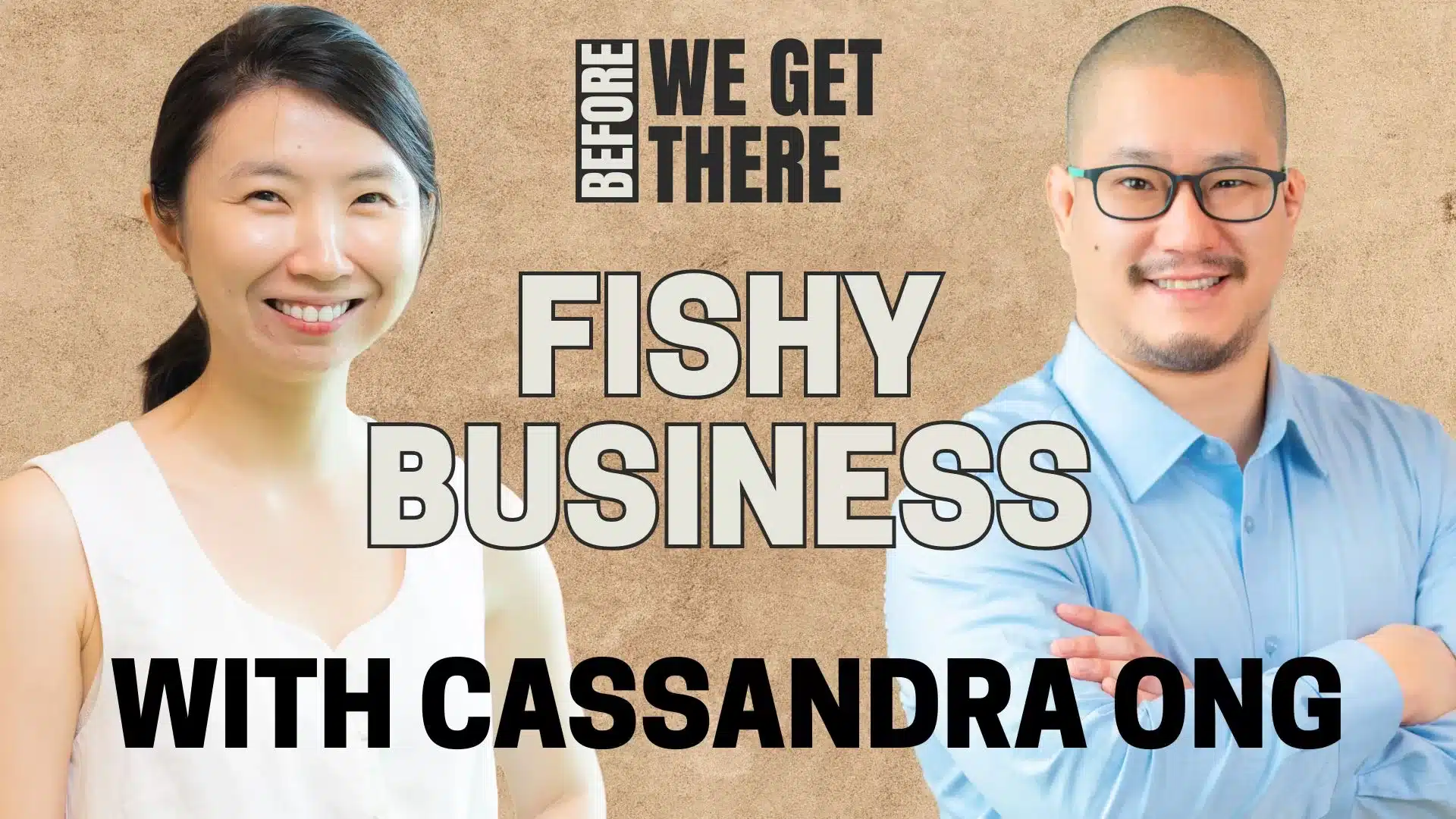
  • Cassandra Ong on Layoffs, Confidence, and Building OtterHalf

    Cassandra Ong on Layoffs, Confidence, and Building OtterHalf

    Intro

    Cassandra Ong is a Singaporean marketer and founder who rebuilt her career after an unexpected layoff shook her confidence and sense of identity. From leading teams at FoodPanda, Chope, and TripAdvisor to launching her own agency, OtterHalf, her story is about starting again when you’re unsure, overwhelmed, and not convinced you’re ready.

    In this episode, we talk about what really happens after a layoff, how confidence breaks and slowly returns, and the long process of figuring out how to build something of your own. Cassandra shares how she used “grief in motion” to turn fear into forward momentum, why her first four months in business weren’t actually “real business” at all, and how a simple card game she created with her daughter opened unexpected doors.

    From retrenchment shock to her first non-friend sale, this is a conversation about rebuilding from the inside out — one small step at a time.

    Story Highlights

    • Discovering the emotional aftermath of a layoff and the identity shock that followed
    • Using grief as fuel to start OtterHalf
    • Realizing her early work was “social credit,” not real business traction
    • Losing money for consecutive months and having to rethink her business model
    • Pivoting toward retainers and more predictable income
    • Creating a marketing card game with her seven-year-old daughter
    • Learning sales for the first time after a decade in marketing
    • Balancing motherhood, ambition, and rebuilding self-belief

    Quote

    “Nothing prepares you for a layoff. Even when I expected it, when it finally happened I just thought… oh my God, why is it me?”

    About Cassandra Ong

    Cassandra Ong is the founder of OtterHalf, a fractional marketing agency supporting startups and SMEs in Singapore. Before starting her own business, she held marketing roles at FoodPanda, Chope, and TripAdvisor. After being laid off in 2023, she used the setback as a turning point, launching OtterHalf and later creating Ottie’s Fishy Business, a card game designed to make marketing fun and accessible. Today, she runs workshops for kids, students, and communities, blending creativity, education, and practical marketing know-how.

    Why This Conversation Matters

    Cassandra’s story is one many people recognise: the quiet pain of a layoff, the slow erosion of confidence, and the messy process of rebuilding a career when your belief in yourself feels shaky. This conversation dives into the emotional side of reinvention and the internal questions that surface when everything familiar falls away. It is about fear, identity, motherhood, and the small wins that eventually rebuild confidence. It is a reminder that progress is rarely clean, but it is always possible.

    Turning Points

    After her layoff, Cassandra faced a sudden shock to her identity and confidence. She tested three directions at once — job hunting, upskilling, and starting her own business — while realising her early clients were relying on social credit rather than true traction. Her first non-friend sale became the moment she finally felt real validation, but a year in she hit her lowest financial point, forcing a pivot toward a more sustainable retainer model. Around the same time, a small project with her daughter grew into Ottie’s Fishy Business, opening an unexpected creative path and giving new meaning to the work she was building.

    Key Lessons

    • Rebuilding confidence takes time and action, not just intention
    • Early wins do not always equal real traction
    • Fear and uncertainty are natural parts of reinvention
    • Career change is rarely linear
    • Self-belief grows through small steps and real-world feedback
    • Creativity can emerge from unexpected moments
    • You find out what works only by trying

    If You Enjoyed This Episode

    You might also like:

    Christel Goh on Leaving Corporate, Taking Risks, and Building a PR Business – A candid look at stepping away from stability, navigating uncertainty, and building something of her own from the ground up.

    JingJin Liu on Invisible Labor, Redefining Support, and the Modern Family – A conversation about identity, ambition, partnership, and the structural forces shaping how we live and work today.

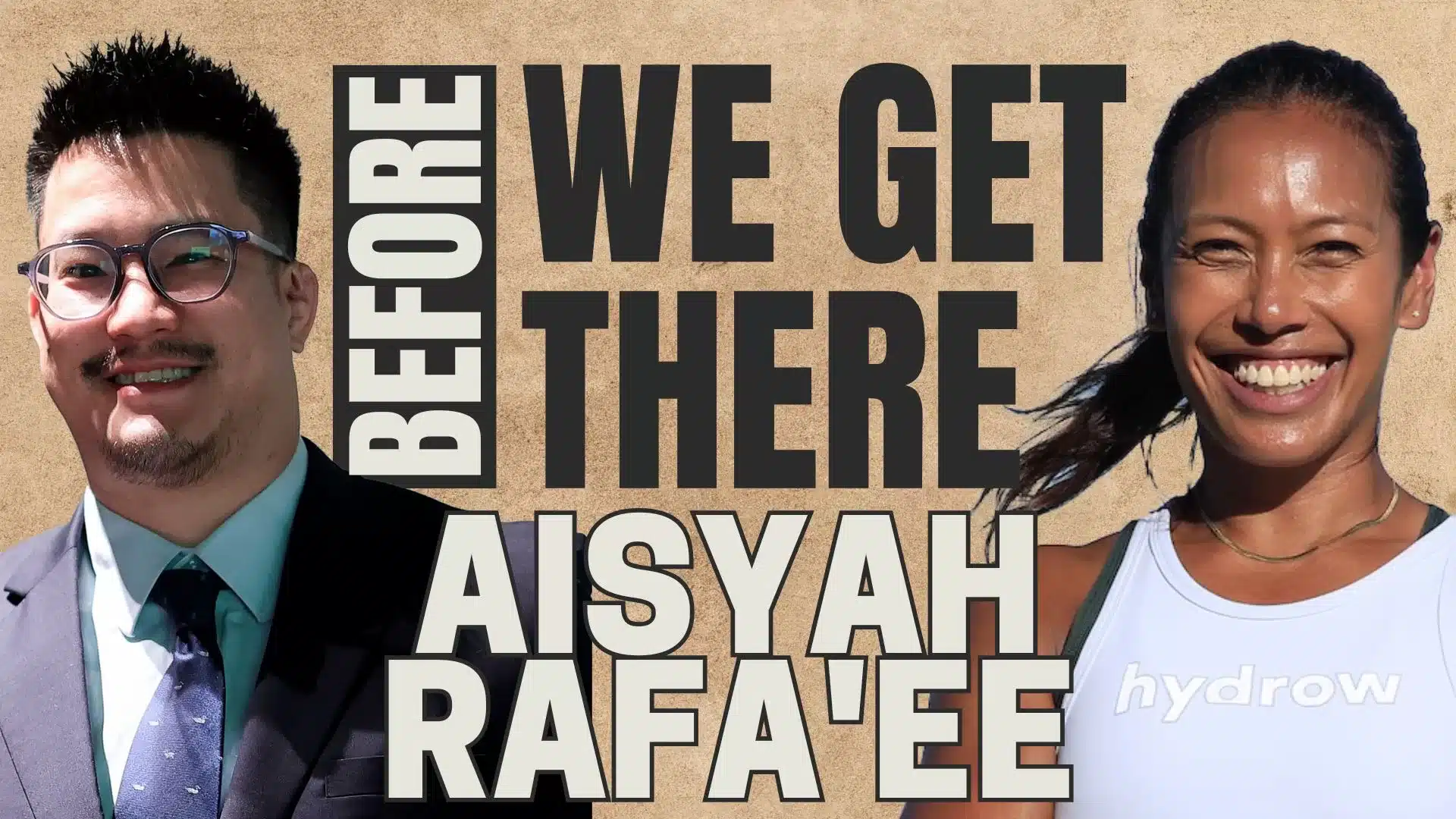
  • Aisyah Rafaee on the Olympic Journey, Identity, and Life After Rowing

    Aisyah Rafaee on the Olympic Journey, Identity, and Life After Rowing

    Intro

    Aisyah Rafaee is Singapore’s first Olympic rower, representing the nation at both the Rio 2016 and Paris 2024 Olympic Games. From her early years in netball to becoming a SEA Games gold medalist and two-time Olympian, her story is one of resilience, courage, and reinvention.

    In this episode, we talk about the ten-year journey it took for Aisyah to qualify for her first Olympics, the emotional highs and lows of being a professional athlete, and how she’s learned to redefine her identity after sport. From burnout and tears in the boat to finding new meaning in coaching and entrepreneurship, Aisyah’s story shows what it really takes to rebuild after the finish line.

    Story Highlights

    • Discovering rowing by chance after playing netball
    • Taking ten years to qualify for her first Olympics
    • Training full-time in Australia after crowdfunding her way there
    • Dealing with burnout and identity loss after Rio
    • Returning to compete in the Paris 2024 Olympics with a new mindset

    Quote

    “All I remember was like a sense of relief. Oh my God, I did it, ’cause it took me almost ten years to try and qualify.”

    About Aisyah Rafaee

    Aisyah Rafaee is a Singaporean rower, two-time Olympian, and SEA Games gold medalist. She became the first Singaporean to qualify for the Olympics in rowing, competing at Rio 2016 and Paris 2024. After retiring from competitive sport, she founded 3HP Athlete, where she coaches athletes on mental performance and personal growth. Drawing from her own experiences of burnout, self-doubt, and recovery, Aisyah now helps others find clarity and resilience in both sport and life.

    Why This Conversation Matters

    Aisyah’s story goes beyond athletic achievement — it’s about the emotional journey of purpose, identity, and self-worth. Her reflections on burnout, transition, and rebuilding highlight what many high performers face once the spotlight fades. This episode reminds us that resilience isn’t just about pushing harder; sometimes, it’s about learning to stop, reflect, and start again.

    Turning Points

    After failing to qualify for the Olympics multiple times, Aisyah finally achieved her dream at the 2016 Rio Games — only to face burnout and identity loss soon after. The two years that followed were some of her hardest, filled with doubt, emotional exhaustion, and tears on the water. Eventually, she found grounding through mental coaching, travel, and meeting her husband in the US, where she began to rediscover who she was beyond rowing. When she returned for the Paris 2024 Olympics, it wasn’t out of pressure, but curiosity — to see how strong she could become again, on her own terms.

    Key Lessons

    • Success takes time. It took her nearly ten years to reach her Olympic dream.
    • Burnout is real. Rest is not weakness — it’s wisdom.
    • Identity evolves. You are more than your title or achievements.
    • Growth is cyclical. It’s okay to return to something with a different purpose.
    • Mindset matters. Mental strength is built through self-awareness and balance.

    If You Enjoyed This Episode

    You might also like:

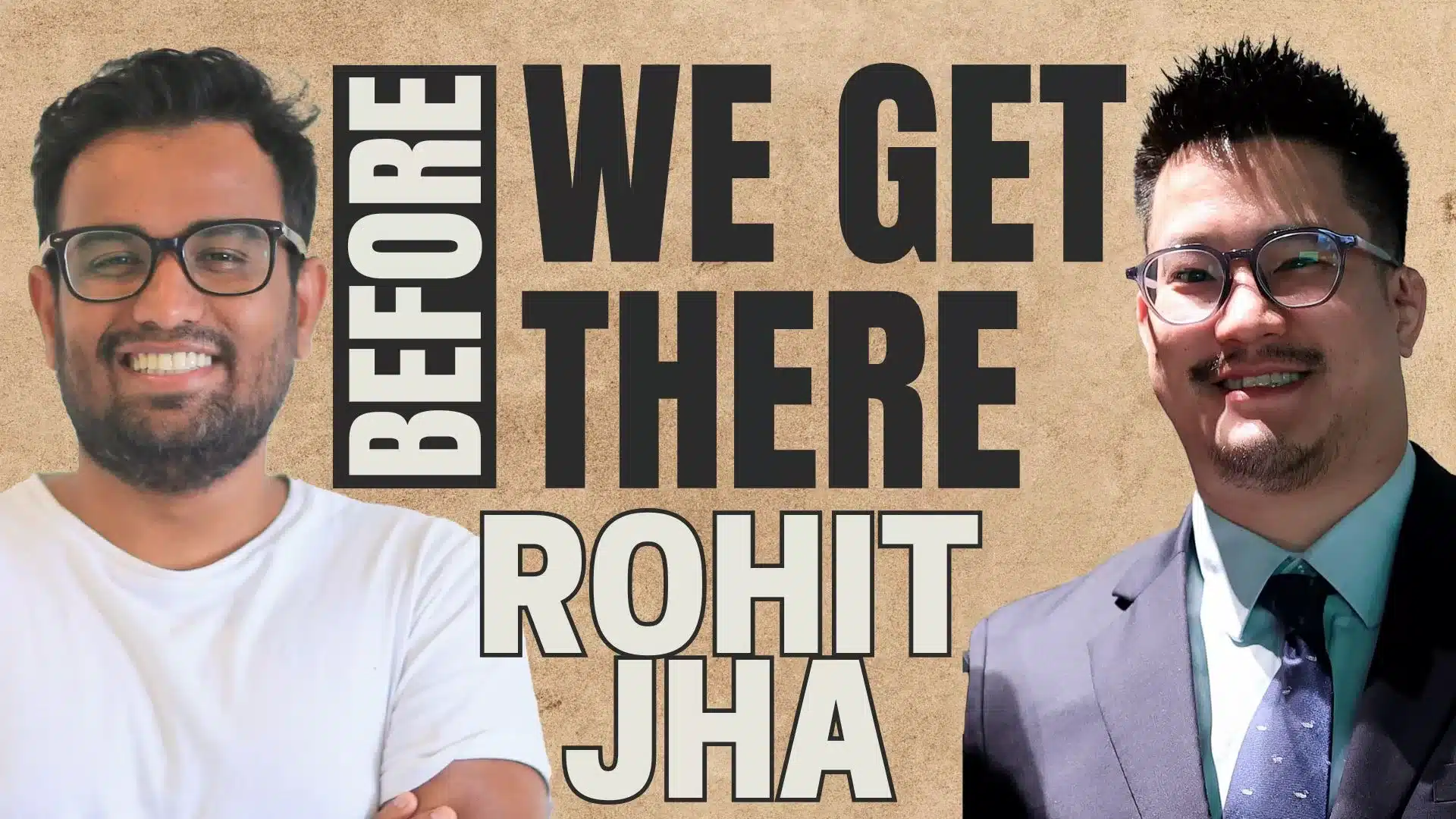
  • Rohit Jha on Space, Startups, and Building the Future of Global Connectivity

    Rohit Jha on Space, Startups, and Building the Future of Global Connectivity

    Intro

    Rohit Jha is the co-founder and CEO of Transcelestial, a Singapore-based startup using laser technology to deliver ultra-fast internet from Earth to space. What began as an idea over two beers became one of Asia’s most ambitious deep-tech ventures, backed by global investors and already operating in markets across the US and Asia.

    In this episode, we talk about Rohit’s journey from a small industrial town in India to leading a company that’s literally beaming data through light. He shares the lessons he’s learned about ambition, failure, and building a company that could transform how the world connects — from neighborhoods without broadband to orbital networks circling the planet.

    Story Highlights

    • How growing up in a steel town shaped his fascination with technology and space
    • What inspired Transcelestial’s mission to build “a ring around the planet”
    • Turning science-fiction dreams into engineering reality
    • The challenges of fundraising and scaling deep-tech from Asia
    • Why storytelling is one of a founder’s most important skills

    Quote

    “The principles and the frameworks and the policies of the world that we live in are made by people like you and me. So that means people like you and me should be able to change it as well.”

    About Rohit Jha

    Rohit Jha is the co-founder and CEO of Transcelestial, a deep-tech startup developing laser-based wireless communication systems that aim to replace fiber optics with “wireless fiber.” The company has been recognized as one of Asia’s most promising space-tech ventures, building technology to expand global internet access and, eventually, enable interplanetary communication. Before Transcelestial, Rohit worked in high-frequency trading and holds a degree in Engineering from Nanyang Technological University (NTU) in Singapore.

    Why This Conversation Matters

    Rohit’s story blends vision and pragmatism. His journey from finance to space technology shows how ambition, curiosity, and persistence can drive innovation even in unlikely places. It’s a reminder that big ideas don’t start in Silicon Valley — they can start anywhere someone dares to ask “why not?”

    Turning Points

    After years in the finance world, Rohit realized that chasing money no longer fulfilled him. Inspired by SpaceX’s early successes, he quit his job and took a year off to travel and reflect. Searching for “where Paris is today” — the modern center of creativity and innovation — he found his answer in Singapore, where he launched Transcelestial in 2016. What began as an idea about “space lasers” is now a company installing high-speed laser links across Asia and testing systems for orbital communication.

    Key Lessons

    • Vision needs grounding. Big ideas must solve real problems today.
    • Storytelling is leadership. Founders have to inspire investors, employees, and the public.
    • Failure teaches direction. Mistakes are data for the next iteration.
    • Innovation isn’t location-bound. Great ideas can start anywhere with the right ecosystem.
    • Think in decades. Work backward from the future you want to create.

    If You Enjoyed This Episode

    You might also like:

  • Put Down Your Fork and Laugh with Jacky Ng; Singapore Comedy, Resilience & Authenticity

    Put Down Your Fork and Laugh with Jacky Ng; Singapore Comedy, Resilience & Authenticity

    Intro

    Jacky Ng has spent more than a decade sharpening his wit in Singapore’s rapidly evolving stand-up comedy scene. From his early days performing open mics at Blue Jazz to taking the stage at the Melbourne Comedy Festival, he’s built a career defined by consistency, courage, and connection. Along the way he’s faced silent rooms, restless crowds, and the quiet self-doubt that comes with turning laughter into a livelihood.

    In this conversation, Jacky reflects on what bombing taught him about humility, how the local scene has matured, and why Singaporean humor deserves a louder voice on the global stage. We also talk about what happens behind the curtain: the craft, the grind, and the unfiltered reality of making strangers laugh night after night.

    If you’ve ever wondered what it takes to keep showing up for your passion even when the crowd doesn’t respond, this episode is for you.

    Story Highlights

    • The lessons Jacky took from his worst bomb at the Perth Fringe Festival
    • How the local comedy scene has evolved—from one open mic a week to multiple shows nightly
    • Why Singaporeans “love coffee-shop humor,” and how that shapes his voice
    • The hidden grind behind performing for corporate crowds who just want to eat
    • Why he values real laughter over viral fame

    Featured Quotes

    “There’s always nervousness — if you stop feeling nervous, it means you don’t care anymore.”

    “I’d like to get to a point where people want to see me for twenty minutes—and they put down everything they’re doing and just watch.”

    About Jacky Ng

    Jacky Ng is a Singapore-based stand-up comedian who has performed at festivals and clubs throughout Southeast Asia, including the Melbourne Comedy Festival. Known for blending everyday Singaporean humor with sharp storytelling, Jacky also hosts regular shows under Jacky & Friends, where he spotlights rising local comics. Find his upcoming dates at jacky.sg or follow @jackyngcomedy.

    Why This Conversation Matters
    Jacky’s story captures what so many of us face – the balance between self-doubt and showing up anyway. His perspective on failure and belonging echoes what Before We Get There is all about: growth through doing. It’s not a polished highlight reel; it’s the messy middle where we find the real lessons.

    Key Lessons

    • Repetition builds resilience. Every comic bombs, it’s what you do after that defines you.
    • Authenticity connects. Embracing his Singaporean accent and humor made Jacky’s performances stronger, not smaller.
    • Success takes patience. From open mics to international festivals, the path isn’t linear, but every stage matters.
    • Craft over clicks. Social media can amplify your work, but it can’t replace the magic of a live audience.
    • Representation matters. Sharing Singaporean stories on global stages helps audiences see a different side of the country.

    Related Episodes

    If you enjoyed this episode, try:

  • Naomi Black on Dating Standards, Resilience, and Reinvention

    Naomi Black on Dating Standards, Resilience, and Reinvention

    Intro

    In August 2025, Naomi Black went viral after rejecting a first date at Lau Pa Sat, one of Singapore’s most famous hawker centres. Overnight she was labeled entitled and out of touch—but that headline missed the real story.

    Naomi has built a multifaceted career across modelling, hospitality, and real estate. She’s lived and worked across Europe, faced online backlash, endured bullying in corporate jobs and kitchens, and come out stronger for it. In this conversation, she opens up about what really happened behind the viral moment, what it’s like to rebuild confidence in public, and how her years abroad taught her to stay grounded in her own voice—no matter what others say.

    Story Highlights

    • The real story behind the “Lau Pa Sat first-date” saga and what people got wrong
    • How Naomi handled waves of online criticism and cyber-bullying
    • From paralegal student to model to chef to real-estate professional—her winding career path
    • Lessons from working in a Michelin-star kitchen in France and experiencing racism for the first time
    • Why she believes women should say no, set boundaries, and support one another

    Featured Quote

    “That whole experience made me the person I am today — full of grit and resilience.”

    About Naomi Black

    Naomi Black is a Singaporean model, entrepreneur, and real-estate professional. After studying law, she worked across Europe in modeling and hospitality before returning home to Singapore. She’s also trained as a chef in a Michelin-star restaurant in France and is known for her outspoken views on confidence and self-respect. Follow her at @naomiblackk or explore her projects and merch line through her Instagram bio.

    Why This Conversation Matters

    Naomi’s story isn’t just about dating standards — it’s about knowing your worth and staying steady when the internet turns against you. Beyond the viral noise, she reflects on career pivots, self-doubt, and resilience. Her openness shows that confidence isn’t arrogance; it’s the courage to live on your own terms, even when others don’t understand.

    Turning Points

    Throughout her journey, Naomi has continually reinvented herself. She’s pivoted from law to modelling, from working in Michelin-star kitchens to thriving in real estate. Each transition came with its own challenges—loneliness abroad, burnout, and self-doubt—but she learned to see them as lessons rather than failures. Whether rebuilding after a tough experience in France or facing public scrutiny online, Naomi’s turning points reveal her core belief: life’s hardest chapters often lead to the most authentic version of ourselves.

    Key Lessons

    • Know your standards. Setting boundaries doesn’t make you difficult — it makes you clear.
    • Do the inner work. Self-belief protects you when criticism comes.
    • Adapt and explore. Each career pivot — from law to culinary arts to sales — taught Naomi new dimensions of herself.
    • Learn through adversity. Harsh experiences in France shaped her resilience and empathy.
    • Support other women. Empowerment means lifting others up instead of tearing them down.

    If You Enjoyed This Episode

    You might also like:

  • Parul Sharma on Writing, Homesickness, and Creative Persistence

    Parul Sharma on Writing, Homesickness, and Creative Persistence

    Parul Sharma is an author whose novels explore memory, belonging, and the quiet struggles of everyday life. Her latest book, 17 Morris Road, tells the story of a woman at a crossroads who revisits her childhood home to reconsider the life she wants. In this conversation, we talk about her writing process, the years she spent balancing creativity with corporate life, and how she rediscovered her voice during the pandemic lockdowns.

    Parul shares the difference between nostalgia and homesickness, the agony of not writing, and the joy of finally finishing a story that had lived inside her for years. It’s an intimate, thoughtful look at what drives a writer to keep creating — even when life gets in the way.

    Story Highlights

    • The difference between nostalgia and homesickness, and how both shaped 17 Morris Road
    • Why writing is both a gift and a burden
    • The heartbreak of not writing during busy seasons of life
    • How motherhood, corporate work, and creativity can coexist
    • The long road to publishing and how it changed her view of success

    Quote

    “The toughest part about writing is not writing. It’s when you don’t write — and the misery that it gives you.”

    About Parul Sharma

    Parul Sharma is an Indian author and creative professional based in Singapore. She has published four novels, including 17 Morris Road, By the Water Cooler, and The Wake-Up Call. Her writing often explores themes of memory, belonging, and womanhood in modern India. Alongside her fiction, she has led a corporate research career and mentors aspiring writers. Follow her on Instagram @parulsharma or find her books on Amazon and Kindle worldwide.

    Why This Conversation Matters

    Parul’s story reminds us that creative work doesn’t disappear when we get busy — it waits. Her return to writing during lockdown is a reflection of how passion can lie dormant and still survive. This conversation isn’t just about publishing; it’s about returning to what gives life meaning after years of distraction.

    Turning Points

    From her first novel written in stolen hours after work to a long hiatus spent building a business and raising children, Parul’s path shows the patience behind creative endurance. The lockdown gave her the stillness to rediscover what she loved most — the act of writing itself. Each book marks a different season of her life, and her next, The Missing Piece, has been fifteen years in the making. Her story is proof that creativity never truly leaves us; sometimes it just waits for the right time to reemerge.

    Key Lessons

    • Honor your calling. The misery of not creating is its own reminder to start again.
    • Be patient with your craft. Some stories need years to mature.
    • Balance is imperfect. Creativity and career often coexist in tension, not harmony.
    • Feedback is part of the process. Courage is sharing your work before you feel ready.
    • Keep showing up. Writing — like growth — is about consistency, not perfection.

    If You Enjoyed This Episode

    You might also like:

  • Bow T on Content Creation, Confidence, and Life Abroad

    Bow T on Content Creation, Confidence, and Life Abroad

    Intro

    Bow Kajeeporn Techataveekijkul – better known online as @bowiehoneybaby — is a Thai content creator, storyteller, and full-time marketing professional based in Singapore. What started as a personal diary for her friends and family has grown into an audience of tens of thousands who follow her travel tips, food finds, and honest reflections on life abroad.

    In this conversation, we talk about how Bow built her platform while working full-time, what she’s learned about online safety, and why she believes authenticity always wins. We also get into what it means to live away from home, finding balance between ambition and peace, and learning to keep creating even when not every post performs.

    Story Highlights

    • How Bow turned a personal blog into a cross-platform community
    • Why she started Boring Singapore to show Thai audiences the fun side of the city
    • Her reflections on living in Thailand, Japan, and Singapore
    • The balance between honesty and controversy in social media
    • Navigating PR rejection, job changes, and uncertainty while staying adaptable

    Quote

    “Even the biggest creators have flopped videos. Negative people are just louder — they don’t represent everyone.”

    About Bow T

    Bow is a Thai content creator and marketing professional currently based in Singapore. She is the voice behind Boring Singapore on Facebook and Instagram, a community for Thais curious about life in Singapore. Across her personal channels — @bowiehoneybaby on Instagram and Threads — she shares humor, travel, lifestyle, and reflections on modern dating. Her work bridges cultures while keeping authenticity at its core.

    Why This Conversation Matters

    Bow’s story is a reminder that social media can be more than a highlight reel — it can be a space to connect, learn, and grow. Her reflections on feedback, online safety, and creative consistency highlight what it means to stay grounded when your personal life becomes public. It’s a candid look at how to keep showing up without losing yourself.

    Turning Points

    From her first blog in Japan to creating content that now reaches audiences in Thailand and Singapore, Bow’s journey has been a steady evolution of voice and purpose. She’s navigated layoffs, visa challenges, and PR rejection while continuing to create out of joy rather than pressure. Her turning points reveal a pattern of resilience — finding confidence through vulnerability and embracing the unpredictability of life abroad.

    Key Lessons

    • Stay authentic. Share what’s real, not just what performs.
    • Keep perspective. Online criticism rarely reflects the whole audience.
    • Adapt and learn. Every flop teaches you something about storytelling.
    • Separate work and self. Boundaries keep creativity sustainable.
    • Embrace uncertainty. Flexibility is what keeps you moving forward.

    If You Enjoyed This Episode

    You might also like:

  • Anthony Yeoh on French Comfort Food, Innovation, and the Future of Dining in Singapore

    Anthony Yeoh on French Comfort Food, Innovation, and the Future of Dining in Singapore

    Intro

    Anthony Yeoh is the chef-owner of Summer Hill, a beloved French comfort-food restaurant in Singapore. Known for its signature roast chicken and hearty family-style dishes, Summer Hill has evolved over the past eight years from a humble takeaway stall into a full-service restaurant. In this conversation, Anthony shares how that transformation happened organically—by listening to customers, experimenting with ideas like the brunch trolley, and staying grounded in hospitality.

    We talk about the challenges facing Singapore’s independent dining scene, the role of home-based food businesses, and what it takes to run a restaurant that feels personal and sustainable in a changing economy. Anthony’s story is equal parts creativity and pragmatism: a reminder that food, at its best, is about care, community, and constant adaptation.

    Story Highlights

    • The origins of Summer Hill and its evolution from takeaway stall to restaurant
    • Why the brunch trolley combines dim sum culture with French comfort food
    • What cuisine bourgeoise means and why Anthony calls his spirit animal a French grandmother
    • The importance of adapting recipes and menus for Singaporean diners
    • Why he believes home-based businesses are Singapore’s new hawkers

    Quote

    “My spirit animal is a French grandmother living inside me. And I’ve always been very drawn to that idea of the family gathering around the kitchen table—a big pot of stew.”

    About Anthony Yeoh

    Anthony Yeoh is a Singaporean chef and restaurateur best known as the founder of Summer Hill, located at Claymore Connect on Orchard Road. After studying at At-Sunrice GlobalChef Academy, he built a career championing accessible French comfort food that celebrates warmth and community. Anthony’s perspectives on adaptation, innovation, and sustainability have made him one of Singapore’s leading voices on the future of dining. Follow @summerhillsg on Instagram or visit summerhill.sg.

    Why This Conversation Matters

    Anthony’s journey reflects the realities of running a small business through volatility and change. From manpower shortages to shifting diner habits, he speaks candidly about balancing creativity with business discipline. His philosophy—that hospitality is about generosity, not perfection—shows how restaurants can thrive by staying human in an industry built on constant pressure.

    Turning Points

    Summer Hill began as a one-dish takeaway stall and grew, plate by plate, into a neighborhood restaurant. Each stage required Anthony to evolve—from cook to owner, from creative to strategist. He learned to pair instinct with data, blending menu design with financial analysis, and to see adaptation as part of the craft. When pandemic disruptions hit, he introduced the brunch trolley concept—French comfort food served dim-sum style—which became a defining innovation. For Anthony, every reinvention starts with listening to customers and trusting that flexibility is a form of creativity.

    Key Lessons

    • Listen first. Every menu and pivot should start with understanding the customer.
    • Balance art and numbers. Creativity thrives when grounded in solid business fundamentals.
    • Evolve traditions. Preserving cuisine means remembering its heart, not replicating old rules.
    • Generosity builds loyalty. True hospitality is about care, not control.
    • Adapt relentlessly. Whether it’s a dish, a business model, or an industry, change is constant.

    If You Enjoyed This Episode

    You might also like:

  • Nuray Istiqbal on Faith, Reinvention, and Life After Rae Lil Black

    Nuray Istiqbal on Faith, Reinvention, and Life After Rae Lil Black

    Intro

    Nuray Istiqbal, formerly known to millions online as Rae Lil Black, has undergone one of the most public and personal transformations imaginable. Once an adult-film performer and streamer with a global following, Nuray has since converted to Islam, changed her name, and left the industry behind.

    In this conversation, she speaks candidly about what led her to faith, how her time in Japan and Thailand shaped her worldview, and why she doesn’t regret her past. We also talk about how she discovered Islam by chance, what Ramadan taught her about patience, and how she’s learning to live a quieter, more purposeful life after fame.

    Story Highlights

    • The journey from Rae Lil Black to Nuray Istiqbal — and what that change means to her
    • How a trip through Southeast Asia opened her heart to Islam
    • Why she says she’s “never made a decision I didn’t believe in”
    • The difference between loneliness and belonging in her new community
    • How Muay Thai training keeps her grounded and present

    Quote

    “People ask me if I regret it, but I don’t regret anything because I never make a decision that I don’t want to do.”

    About Nuray Istiqbal

    Nuray Istiqbal is a Japanese-born creator and former adult-film performer who was widely known under her previous name, Rae Lil Black. After years of working in Europe’s entertainment industry, she began studying Islam while living in Thailand and converted in 2024. Today she shares her journey toward faith and renewal with followers across Asia, appearing in podcasts, TEDx talks, and Islamic community events. Nuray is also an advocate for self-reflection, patience, and personal growth through faith.

    Why This Conversation Matters

    Nuray’s story challenges the idea that our past defines our future. Her willingness to speak openly about life before and after Rae Lil Black reveals a message of self-acceptance and grace. Whether you’re religious or not, her journey is a reminder that change doesn’t erase who we were — it helps us understand why we became who we are.

    Turning Points

    After years in Europe’s adult industry, Nuray reached a point of fatigue and moved to Thailand, where a chance encounter with Muslim friends led her to study Islam. Six months later, she converted, beginning a new chapter grounded in prayer, humility, and learning. What stands out most is her balance of realism and faith — she neither denies nor glamorizes her past. For Nuray, both Rae Lil Black and Nuray Istiqbal are parts of the same story: a woman learning, evolving, and seeking peace on her own terms.

    Key Lessons

    • Own your choices. Growth doesn’t require regret — it requires understanding.
    • Faith brings perspective. Spiritual practice can transform how we handle judgment.
    • Adaptation is lifelong. True reinvention happens from within.
    • Community matters. Belonging to something bigger gives strength through change.
    • Let go with grace. The past shapes us, but it doesn’t have to define us.

    If You Enjoyed This Episode

    You might also like: