Tag: Self-improvement

  • The Weekend Wind-Down #2 – March 3, 2024

    The Weekend Wind-Down #2 – March 3, 2024

    What a week! I’m writing this from Mumbai, having spent the last 4 days here for a work conference and some exploring. I’ve loved it here, the food is amazing, the city bustling, and the conference attendees energetic and ready to learn and grow. I hope to be back soon, but now on to the list!

    What I listened to this weekend
    I’ve been a big fan of Korean-American chef and entrepreneur, David Chang since I first saw him on Mind of a Chef. I’ve been a loyal listener of his podcasts and even went to Momofuku Ko in NYC before it closed. Often his podcasts are filled with hilarious and informative tirades on food, restaurants, parenthood, or culture and society. This week’s episode contained a hilarious ten-minute exploration of “the platonic ideal of a breakfast burrito” (starts at about 33 minutes in). Well with a listen if you are as passionate about breakfast as I am.

    Best viral post I saw this weekend
    I first saw this clip on Instagram, but it is being shared all over LinkedIn as well. People all over the world are impressed with a discussion in the Singapore parliament on AI and upskilling workers to remain competitive. The difference is striking when compared to the questioning of TikTok CEO, Shou Chew last month in front of the US Senate, when the US Senator appeared not to understand Singapore isn’t part of China.

    What I learned at my first conference in India
    Having spent the past 8+ years focused on Southeast Asia with only some time spent on the China and Australia markets, I was excited to hold my first work event in India. I wasn’t disappointed. In some ways, the energy of the delegates reminded me of Indonesia, with everyone being very curious to learn and eager to implement solutions to help them grow. Other than the interest in talking to us and seeing our solution, the other thing that stuck out was the style of sessions at the conference. I always feel that sessions like fireside chats or panels are more engaging than solo presentations, but I would say most times I only see 20-30% of the sessions being something without slides. Here it was completely the opposite, not only were there 4 panel sessions (plus my company’s fireside chat), all of the panels were huge, with 5-to 10 people on stage sharing their expertise. This makes things way more engaging for the audience and it was great to hear from so many CFOs and Heads of Treasury from both India-born companies and MNCs.

    Best LinkedIn hack I worked on this weekend
    LinkedIn launched the Community Top Voice badge last year, rolling it out to selective users who are able to contribute to Community Articles and earn a badge in various topics. After seeing these contributions start to pop up in my feed, I took the plunge and started contributing as well. After less than a week of contributing to 2-3 articles a day, the “Top Lead Generation Voice” badge appeared on my profile yesterday. I think this is a good way to engage on LinkedIn, because most people don’t ask questions in their own posts, so you can really share your expertise and read what others have to say.

    Blog post I’m excited to share
    Using ChatGPT can still be a bit of a touchy subject. On one hand you have all kinds of influencers and solo-preneurs sharing how you can build businesses just by using AI tools and get rich quickly. On the other hand, people are cautious about using it for their work both from the fear it could make them replaceable, and because they don’t want to seem lazy or put out low-quality work. In this post I share some practical ways I use ChatGPT that doesn’t compromise my work and allows me to save time and get more done.

    Coolest place I visited this weekend
    I decided to get out of the city and see another side of India, and I’m so glad I did. Lonavala is a Hill Station about two hours from Mumbai. There are incredible historic and natural sites in the area. My favorite was Lohagad and Visapur forts, which tower imposingly over the plains below. The forts have been occupied by various empires over the last 700+ years and were an amazing sight to see. It was a great reminder to get off the beaten path when traveling. I planned the excursion myself and was the only non-Indian I saw there. The total of around 6 hours getting there and back wasn’t very fun, but it was totally worth it in the end!

    That’s all for this week, have a great week folks! I hope you had a great weekend and a productive week ahead.

  • The Weekend Wind-Down #1 – February 25, 2024

    The Weekend Wind-Down #1 – February 25, 2024

    Hello friends! I’m starting a new project today and am excited to share it with you. I’ve long been a fan of Tim Ferriss, first from his podcast, then books, and over the last few years, his weekly newsletter “5-Bullet Friday”. Tim provides a short curated list of everything from book and music recommendations, to gadget suggestions, poems and quotes to ponder, and more. I love the format of short bite-sized points of interest that are easily digestible and don’t take a lot of time to read.

    For my version, I wanted to deliver some value on Sunday evenings as the weekend is winding down and we are preparing for a new week. Especially after having my first kid, weekends can be a blur of activities, errands, and trying to fit in relaxation. We’ve all felt the “Sunday Scaries” when it gets to be late in the day and we wonder where the weekend went. This newsletter will be my way of ending your Sundays with a small dose of valuable curated content: personal and career growth tips, interesting things to ponder, and more. The topics will change from week to week, but in general, I will stick with some core areas that I am focused on in my life, so if you’re anything like me, I think you’ll find it useful. I look forward to taking this journey with you!


    1. How I’ve been utilizing ChatGTP this weekend
      I found out that the mobile app has a conversation mode with real-time two-way voice chat. I’ve started using this to practice speaking, answering questions, roleplaying networking, or other times I want to improve my communication. It even transcribes your speech afterward so you can see how many umms and ahs you said! I don’t think you need to learn how to be a “prompt engineer” or take courses to learn how to utilize ChatGTP and other AI tools, it’s more important to think of use cases that benefit you and then improve how you interact with the AI so you get better results.
    2. What I focused on this weekend to improve my work
      Planning agendas for syncs and 1:1s! If your calendar is anything like mine, you have a bunch of recurring 1:1s scheduled throughout your week. I’ve committed myself to sharing an agenda with a list of topics to cover before the meeting. This allows me to organize my thoughts and gives the other person a chance to prepare for our meeting. Something basic that I have done on and off, but I believe being consistent about it will really help my meetings be more productive!
    3. What I listened to this weekend
      This January Recap Episode of The Time Ferriss Show had a ton of great clips and sparked the idea for this newsletter. The highlight for me was Chris Beresford-Hill‘s discussion on how to come up with great ideas. I found this quote particularly valuable “Time kills all deals, for sure, and it kills momentum and it kills energy.” when discussing making decisions quickly.
    4. What I read this weekend
      beehiiv shared the average open rates for all emails sent on their platform in 2023 in this blog post. It was an astonishing 38.7%! I honestly haven’t heard of them before, but with that kind of success, I’m definitely going to pay more attention to what they do and how they help marketers.
    5. My most gratifying moment of the weekend
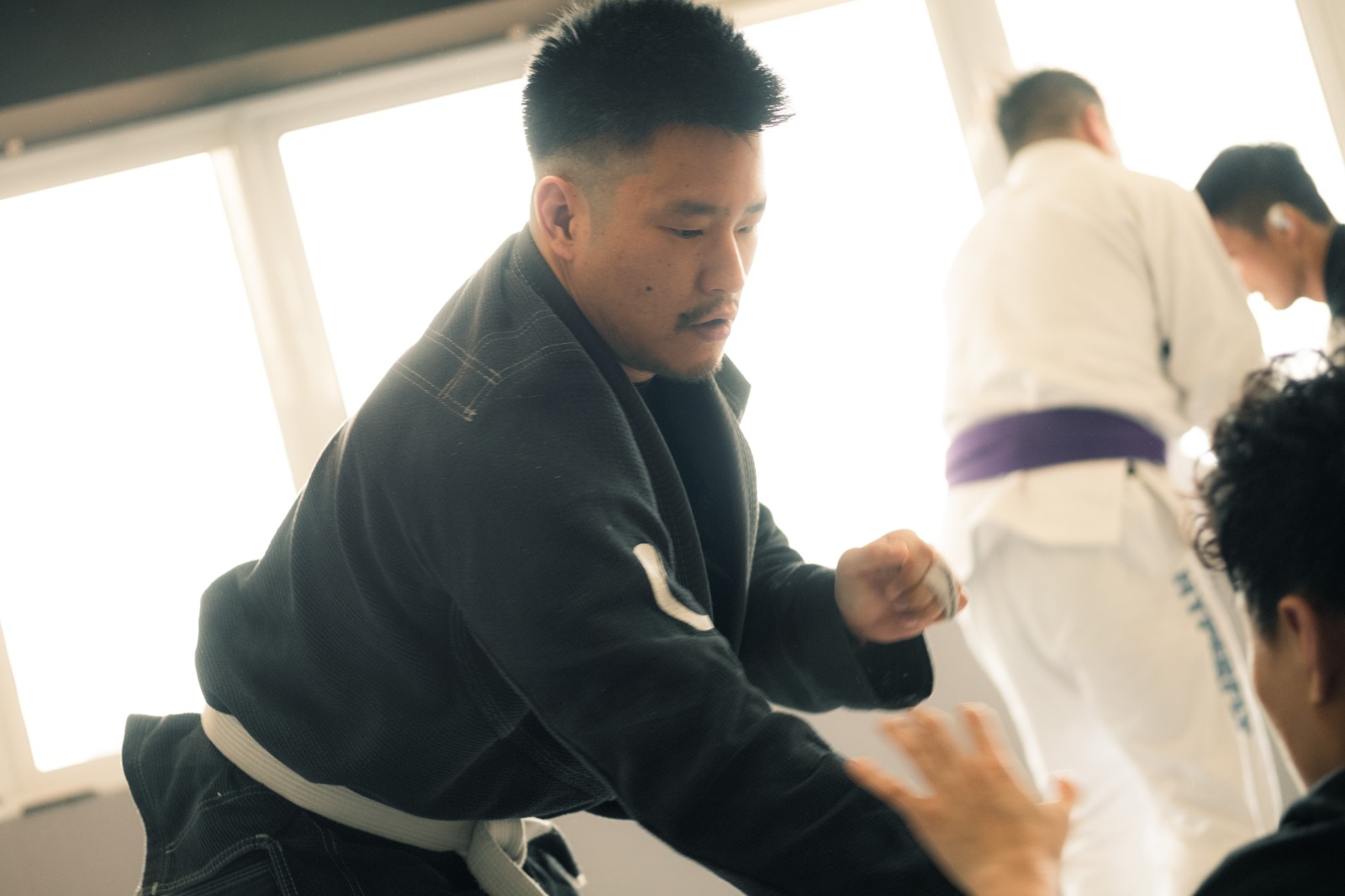
      A friend from the gym where I train jiujitsu, muay thai, strength training, etc. who is earlier in her career, happened to receive a new job offer right before our training session started. She immediately asked for my opinion on the role and company. It was an honor to be able to offer her my view and see that she valued my opinion. Most of us should reflect more on how far we’ve come and realize our experience is valuable and worth sharing with people younger than us.
    6. The most interesting post I saw on LinkedIn this weekend
      Wes Kao shared this post on Grammarly’s 2024 State of Business Communication Report and how much miscommunication happens for marketers during their work. Highlights: “Marketers spend 26 hours/week on written communication, which is the most of any team surveyed.” and “Marketers spend 49% more time than the average knowledge worker responding to written communication from others, which is more than any other function.”

    That’s all for this week, I hope you had a great weekend and will have an even better week ahead!

    -Nicholas Braman

    Note: My goal is to eventually move this newsletter to email format which will land in your inbox every Sunday evening (Singapore time). Subscribe here if you want to receive this by email after I make the change.

  • The Top 5 Lessons 2023 Taught Me

    The Top 5 Lessons 2023 Taught Me

    What a wild ride this year was! My daughter grew from a tiny baby into a toddler, I had to change jobs unexpectedly, I traveled back to China for the first time in 4 years, and much more. While in 2022 I felt like the world was still recovering from the pandemic hangover, by the beginning of 2023 everything was in full swing and things were all but back to normal. This meant that work was super busy for me, including running 17 events around the region in the first half of the year. All my normal gym training was also back to full speed, and there were plenty of team dinners and other social engagements. Becoming a father has been the most important thing to ever happen to me, and I can definitely say I love being a dad and can’t wait to experience my little girl growing up. All-in-all 2023 was a great year, but there were plenty of ups and downs, as well as unexpected issues to deal with. Everything seems more important after having a kid, which is why I thought it is a good time to reflect and look back on the lessons life taught me over the last year.

    1. Not everyone is a true friend, and we should be grateful for those who are
      I heard something recently that really resonated with what I learned this year, and I wish I heard it earlier, it would have saved me a lot of social anxiety. It was something like “People don’t really care about you that much, everyone is the main character in their own story, and when you aren’t in the scene you aren’t thought about.” And while that may sound bleak, but it’s really true. Thinking about it for myself, there are thousands of people who I’ve crossed paths with, and even gotten to know well, but when life stops putting us in the same place at the same time, it’s easy to have them drift away and not really be thought about often.

      The way this came into play for me this year was when I was going through some challenges and had the opportunity to be supported by colleagues and friends. There were many people who offered words of support, but only a portion of those went beyond that, where that was going out for coffee, lending a sympathetic ear, or other helpful actions. I don’t blame the people who stopped after the first words of support, I’ve done it myself countless times. But it did drive home how much I should appreciate those people in my life who were generous and care enough about me to go above and beyond.
    2. Always be ready for unexpected changes and challenges at work
      I’ve had many unexpected changes during my career, new bosses, company getting aquired, changes of team structure, being put on a project in another country, and much more. Going through another huge change and challenge this year re-emphasized to me how much I need to take ownership of my career and professional journey. I need to know what I’m good at, what I want to do next, what I bring to the table, and essentially look at my career as a business I’m in charge of running. This is more than just having an updated resume, it means using each job as a stepping stone to grow your skillset and experience, so you’re ready for the next step up.
    3. Be grateful for where you’re at and how far you’ve come
      Having had a chance to really reflect and take stock of where I’m at in my career and reassess how I got here. I realized I should be grateful and proud of where I’m at today. A lot of hard work has gone into it, but a lot of lucky breaks and great colleagues, bosses, and mentors have helped along the way. Without the people who gave me a chance, advocated for me, led by example, gave me exposure, and believed in me, I wouldn’t be here. I feel more confident in my skills and experience than at any point in my career, and while that’s a nice feeling to have, I’m sure the next bout of imposter syndrome will come soon; or at least it should if I keep pushing myself.

      But I think too often we get caught up in the next goal, career progression, promotion, or whatever. And we forget to be grateful for how far we’ve come. This week I’ve been listening to more sports shows than usual after an amazing Seahawks win on Monday Night Football, and when talking about another team someone said “If you’d told this team at the beginning of the year they’d have 10 wins at this point in the season, everyone would have taken it, no questions asked.” I think the same can be said for me and many of us about our life journey. If someone had told me when I was 10, “By 2023 you’re going to have a beautiful wife and daughter, be living abroad, having a fufilling career that pays your bills, and be healthy and enjoy going to the gym.” I also would have taken it, no questions asked.
    4. Being a family is on a different level after having a kid
      Everyone knows this, but I didn’t realize how much I would really feel it until it happened to me. It would be a lie to say that as soon as my daughter was born I was instantly a better, more responsible person. But it was more like putting on a new pair of glasses and seeing everything in a different light. Each decision I make has more weight, as much as I love my wife, it feels different when you are completely responsible for someone who can’t do anything for themselves. From the time she came home from the hospital until now, I have taken care of my daughter almost every night. While at the beginning that meant holding her to sleep for many hours and feeding her two or three times and now it is much easier since she is a great sleeper, I have treasured this one-on-one time with her and feel it has created a great bond between us.

      I also feel much more connection with my wife than ever before, and having a kid feels like a more important milestone than getting married was. Getting married was just words, but now there is a little human connecting us. It has strengthened our relationship and made both of us more conscious of our behavior and the example we are setting for our child. It’s cliche, and true for all good parents, but it has really changed how I prioritize my life, and putting my daughter’s needs before my own has helped me grow as a person.
    5. You owe it to yourself to take care of your physical and mental health
      Last year I had a lot of “self-care” firsts, a shoulder injury from jiujitsu sent me to a physio for several months, I tried therapy for the first time, I was able to do semi-regular cold-plunges and sauna, I got back into yoga, and I had a lot of massage, cupping, and acupuncture for various aches and pains. First, I realized I’m getting old. Recovery takes longer and I have to make a deliberate effort to manage my training volume and intensity. I remember one day when I had a physio session followed by talking to my therapist; the thought came into my head that I felt like a race car being serviced by different mechanics, one for the engine, another for the tires etc. And it made me think that it isn’t weak to allow people who understand more about the body or mind, to help you get yours in shape. We rely on experts to learn sports, fix things in our house, and cook us meals, but at least for me, there was still some taboo or reluctance to get help for myself from others. I’m glad I started to overcome this hurdle in 2023.

    Overall 2023 was just the first step in the journey of being a parent, a small speedbump overcame in my career, and another year of growing and learning as a person. While the lessons I’ve listed here are nothing ground-breaking and I’ve heard them all before, they were really demonstrated in a personal way in my life this year. Sometimes even the wisest advice doesn’t make an impact until you live through it yourself. I’m looking forward to another great year in 2024 and I hope you have learned your own lessons this year and get a fresh start in the new year!

  • How To Make The Best Of a Bad Job

    How To Make The Best Of a Bad Job

    It is every professional’s worst nightmare. You’ve sent out dozens or hundreds of applications, gone through countless rounds of interviews, finally got one or more offers, chosen which to go with, negotiated your package, and then, a few days, weeks, or months in you realize that you’ve made the wrong move. Maybe the company is a mess, your colleagues are toxic, the job isn’t what was promised, your boss is a tyrant or countless other possible issues. But it is too late, what can you do? You just moved, it won’t look good on your resume to move again so quickly, plus you are already burned out on job-seeking. So you decide the best thing to do is to suck it up, keep your head down, and endure the misery for at least a year or more until you can find something better. But that’s not actually the best thing you can do, in this article I’m going to share some strategies with you to not only survive a bad job, but actually turn it around and thrive.

    Focus on what you can control
    Obviously, you won’t be able to affect if there is an awful CEO or develop a new product if the current one isn’t making it in the market. But by focusing on the things you can control, you can improve the situation around you. For example, if the processes are super disorganized and manual, make sure the work you do is as organized and automated as much as you can. Find the little things around you that you can control and improve instead of the bigger things you can’t affect and it will make your day-to-day work life better. The more time you spend improving what’s around you, the less effect it will have on your psyche and the stress of big-picture problems. And if you are able to deliver good results in a tough environment it will make you that much better of a professional and able to thrive even more at your future companies.

    Photo by kate.sade on Unsplash

    Do as much job crafting as possible
    Job crafting is a term I learned early in my career and I have implemented it in all my roles, which has really helped my professional development. The idea of job crafting is to influence your tasks and projects and mold them in the way that is most advantageous to you. That could mean diving into an area you want to gain more experience in, focusing on doing things that align with your strengths, or building out strategic projects that get you noticed by leadership. Now this doesn’t mean you can do whatever you want and ignore the basic requirements of your role, but what you can do is prioritize and modify what you are doing to give you the most benefits in the long run.

    One example of this I did in my career I’ve already written about here. That was to give myself more experience public speaking and improve my skill at it, or at least get over my fear of it. I was able to craft opportunities for myself to speak in front of audiences in the course of the work I was already doing. Another example was when I wanted to get better at video editing, I started several campaigns that would have video elements, and not only saved the company money by doing them myself but also improved my skills and created some great results.

    Start growing a garden around you
    At many bad jobs, you will find a lot of people who are pessimistic, stuck in their ways, and beaten down from having been in the environment too long. One way to combat this is to notice who the “gems” are and build relationships with them and help each other do better work and have more success together. They may not be on your exact team or someone you work with every day, but you will be able to see the people who care about their work and want to do better compared to those stuck in the mud. By building each other up, not only will you get better results, but you will also increase your and their morale and enjoy going to work more.

    I had this happen at a company I worked at previously where there were many old-timers who were just doing enough to get by and this had rubbed off on some of the newer people as well. In general, the culture was negative, new ideas and ways of doing things were always shot down and it took forever to get things done. At first, I became enmeshed in this atmosphere as well, it’s really contagious! But as I started to work on more projects I came across people who I could see wanted to do more and have more success. I didn’t become a ringleader or anything, but I did manage to work with them as much as possible and it made our work better and more fun.

    Make your accomplishments visible
    Even if your immediate team and boss aren’t great to work with, you can still build your network for your future career by doing good work and making sure it is noticed. Of course, you need to be balanced and not come across as a show-off. But there are ways to make sure you and your accomplishments get noticed without talking about yourself all the time. Personal branding isn’t just for influencers and entrepreneurs, your personal brand is also about how people see you within your company, and you should be actively working to improve it all the time.

    For example, in many of my roles, I have gone above and beyond to help other teams not related to my job function like HR, recruitment, and office management when they had things that would be improved with marketing skills. I have also taken on employee resource group leadership positions to support communities within the company and get a chance to know people outside my function and location. All of these kinds of actions, along with consistently delivering good work and getting your big accomplishments noticed by other teams will not only help you in your current role but also set you up for success down the road. You never know who will move to a new company and remember you as a great colleague and expert in your field.

    Photo by Andrew Teoh on Unsplash

    Plan for your exit
    While you are doing all of these things to make your current bad job as good for you as you can, you still should be setting yourself up for your next move. These days, especially in industries like tech, job-hopping doesn’t have nearly the taboo it used to. It is common for people to move after a year or two, especially if it is in an upward trajectory, it likely won’t be seen as a bad thing to future employers. You should always keep your resume updated, it will also help you with your yearly reviews with your manager when you track your accomplishments. It also helps to be active on LinkedIn and in-person networking. Once you feel the time is right, you’ll be ready to start applying for a better job, and you never know when someone might recommend you for a role, so you should always be ready.

    Hopefully, we all have the good fortune of never having a bad job, but the reality is most of us will eventually find ourselves in this situation. With the advice from this article, I hope you are able to make the best out of a bad job and come through stronger and more competent. I’ve also written specifically on how to deal with a bad boss here.

  • Best Strategies for Dealing With a Bad Boss

    Best Strategies for Dealing With a Bad Boss

    There’s an age-old cynicism about having a bad boss that has resulted in countless memes, jokes, TV show plots, and more. But the truth of the matter is, whether you have a great or horrible boss, it is in your best interest to impress them and do your best to make them appreciate you and your work. You should be actively thinking of ways to make your boss see your value, actually even more so if you think they are a “bad” boss. I’ve had amazing bosses and truly awful ones in the course of my career, and frankly, I wasn’t able to keep to this goal all the time. But now, with a lot of working life under my belt, I think those of you who are struggling with bad bosses can learn from some of the lessons I’ve learned and strategies I’ve developed.

    Don’t take things personally
    If you really do have a bad boss, you and everyone else around you probably knows it. Sometimes it may feel like you are being singled out or taking the brunt of the criticism, but try not to take it personally. This isn’t about you, it’s about them. It can be frustrating when you are working hard and doing your best, but your boss doesn’t recognize it, it may even feel like your co-workers and other leaders won’t notice either because of all the criticism you are taking. But more than likely they do appreciate your good work, it is just hard for them to stick their neck out on your behalf.

    If you are able to let the criticisms and way your bad boss treats you go it won’t take such an emotional toll on you. In fact, you may be able to see it as a positive, if your boss didn’t see you as capable, or even as a threat, they likely wouldn’t pay so much attention to you at all. Or on the other hand, if they treat everyone the same way, then it really isn’t personal and you can let it go. At one of my jobs, I got yelled at by my boss on my second day, she was explaining how a system worked to me and I asked a follow-up question using standard industry terminology. She instantly started berating me and acting like I was stupid because that wasn’t the phrasing they used at this company. I felt horrible for a long time afterward, especially because this happened in the middle of a sea of cubicles and I thought everyone else agreed with her and thought I wasn’t an idiot. It wasn’t until later when I became closer to some other colleagues that they told me how ridiculous she was being and I shouldn’t feel bad.

    Photo by engin akyurt on Unsplash

    Rise above the noise
    With a bad boss, or in any toxic workplace, it is easy to get bogged down in petty drama that doesn’t matter. Especially if you are junior, you can get pulled in many different directions and now know where you should be putting in your efforts. I’ve found that it is best to pick one or two areas you know you can make measurable and visible impact in and focus your efforts there. Do the minimum to do what is required in other areas, but make a bet on these keystone projects and be sure to see them through to a successful conclusion. 

    If you have chosen the right projects, other teams and leaders will see your success, and even if your boss resents it, you will have accomplishments under your belt and have gained good experience. If you can combine this with the last strategy of making your boss look good, then it will be a win-win for everyone and may even start to turn the tide of your relationship with them.

    Become indispensable
    This is good advice even if you have a great boss, but if you have a bad boss it becomes even more important. And this doesn’t just mean kissing ass and becoming a lackey for your boss. But become a trusted indispensable partner for the teams you collaborate with as well. Honestly, there are enough bad workers in the world, it doesn’t take much to be someone people love to work with. Be polite, respond on time, be proactive, don’t shove responsibilities off on others, bring ideas and your expertise to the able, and you’ll already be far ahead of most people.

    If you become seen as someone who is reliable and indispensable to getting things done in your function, even your bad boss won’t be able to get in the way of you being recognized by the overall team. Of course, it also helps to build the relationship with your boss as well, with both bad and good bosses I have done things like going the extra mile to help them with urgent projects, stepping up to do things that don’t fall under my scope and made sure to deliver what they need. You don’t want to be walked all over by a bad boss, but sometimes by doing a little more at the right time, you earn their trust and ease the relationship bit by bit.

    Photo by CoWomen on Unsplash

    Adapt to them
    This is also actually true for both bad and good bosses, but much more vital for the poor ones. Jocko Willink has said “Sometimes you just have to play the game.” and I completely agree. If your boss has some request that isn’t logical or there is a better way, you have to judge which battles to fight, and a lot of the time it isn’t worth it to be right, it is easier and helps your relationship more just to do it the way they ask. 

    I think this is also really important in a more general sense of your boss’ working style and priorities. In my last two roles, I went from a boss who was very big picture-oriented, they didn’t care how I got things done as long as they were done correctly. And the projects they were attracted to were big and ambitious, things that would be highly visible and make a splash. My next boss was extremely detail-oriented and wanted to know everything down to the tiniest element. They were also super conservative and wouldn’t give the go-ahead for any initiative that didn’t have an almost 100% chance of success. Going from these two extremes took me a lot of time to adjust to, but when I was finally able to adapt to the new boss our working relationship got a lot better and we were both happier.

    Make your boss look good
    This can be painful, especially if you and your boss really don’t like each other, but it might be the most important strategy. This can be little things, like when you are talking to people about your projects, use “we” instead of “I”, even if your boss or coworkers didn’t do anything on it. I also have made it a point in several of my roles to find awards and recognitions I would put my boss up for, I tried to make them look good by giving them PR opportunities in media, having them highlighted internally, etc. This also may be harder if you have a bad boss, but it feeds their ego, which is the source of a lot of problems for toxic managers. In the end, if your boss looks good, you end up looking good too. And even if they don’t admit it out loud, they will see you are making efforts to up their status and will appreciate it. 

    With all this being said, sometimes when the boss is bad enough, you just have to cut ties and get out of there. But I believe with these strategies a lot of “bad boss” relationships can be improved enough to at least make them tolerable to the point you can keep progressing in your career and experience even if you are stuck in that role for a while. If you liked this article, click here to read about The Worst Career Advice I’ve Ever Heard.

  • The Worst Career Advice I’ve Ever Heard

    The Worst Career Advice I’ve Ever Heard

    I’m sure you’ve heard it as well, “Underpromise and over-deliver.” This phrase is commonly said to get you noticed by leadership, build your personal brand, pave the road to promotions, and make you the best teammate ever. But I think it’s bull. Sure, it sounds good when you first hear it, at a glance, you will be more successful and do better work than people expect, so you’ll look great. But if you really think about it, it’s not only unrealistic, but if you live by this motto you will frustrate your managers and are likely too egotistical to be a great teammate. Don’t follow this horrible career advice if you don’t want your career to go up in flames.

    The first part of the saying “under promise” is a surefire way to ruin your reputation. Let’s say your boss asks you to complete a report in 5 days, you underpromise, telling him you need 7. Does that sound like a good way to do things? In other cases, it isn’t even possible to underpromise. If you are delivering an event and you play down the expectations for how great the content and decorations are going to be, what good does that do you? I think this phrase appeals to people with imposter syndrome, who aren’t confident in their skills, or want an out if things don’t go well. If you consistently tell your boss that you can only deliver a percentage of what they are asking you to, you aren’t going to have a great relationship with them.

    Photo by Sigmund on Unsplash
    Photo by Sigmund on Unsplash

    The second part of the saying “over-deliver” sounds nice, and it would be great if you could always do that. But it just isn’t possible, realistic, or in some cases even wanted. Honestly, if every time you outperform what you said you can deliver, first of all, it becomes pretty obvious what you are doing, secondly it means your predictions are wildly off-base and you probably don’t have the expertise or handle on your time management that you should. For salespeople, they often need to set forecasts of how much in sales they expect to bring in the next quarter, if they consistently under-forecast, something is wrong and their boss will work with them to fix it. It is nice once in a while to have a good surprise, but consistently being wrong in your forecasts just shows you don’t know your business well enough.

    In my opinion, much better career advice would be to “Manage expectations and deliver high-quality work.” But that’s not nearly as catchy. There are definitely times when you need to manage expectations when you know from your expertise that what you are being asked to deliver is unrealistic. It is an important skill to communicate that clearly and effectively while not sounding like you are making excuses or not willing to work hard. If you follow the second half and consistently deliver great work with measurable impact, you will be on track to outperform the vast majority of other workers.

    So don’t underpromise and over-deliver in the hopes of making yourself look good. Look good by being good, and you’ll go far.

  • The Surprising Benefits of Doing Challenging Things You Suck At

    The Surprising Benefits of Doing Challenging Things You Suck At

    I used to hate doing things I was bad at. I’ve always had a lot of interests, in everything from sports like tennis and golf, to more intellectual pursuits like writing, chess, and learning languages. I used to think I was lucky to have some natural ability in some of those activities. I now believe it wasn’t lucky and has actually stunted my growth and development. You see when I started those things, I didn’t have to put in a lot of effort to impress people, so I never did put in the effort in those things and never became as good at them as I could have been. Sure, there have been a few things in my life that I have worked on improving, like cooking, that I didn’t start out great at. But I never looked at it in the way that I’ve learned now, first, that you can improve at anything if you keep trying. And second, that sometimes the most rewarding challenges to get better at are the ones that you are the worst at.

    I’ve come to realize that if you never challenge yourself to push through things that you start out poor at, you will never learn the skill of perseverance, and perseverance will take you farther in life than any other one skill you might be good at. Even if you are naturally good at something, you will eventually hit a wall where you can’t progress any farther without really putting the work in. And that’s normally where I’d end up, halfway decent at something, but never great, because it had been easy for me at the beginning and I’d never learned how to push myself through the tough times. It’s easy to fall into this trap and have it start becoming a habit. It is natural to feel demoralized and insecure about not being good at something. But if it’s natural, if the thing is easy to be good at, is it really that impressive?

    I finally learned this lesson by practicing jiujitsu. I’d done some martial arts when I was in my late teens but had stopped for many years. Unfortunately, I didn’t wrestle in high school, but grappling had interested me since I saw how effective it was in mixed martial arts. I finally reached a point where I was ready to give it a try when I was 33 years old and had just lost around 15kg. I knew I needed to find a physical hobby that would keep me active if I didn’t want my weight to start creeping up again. So I finally gave jiujitsu a try. And I was horrible. For the first six months, I happened to be traveling a lot for work, and I was still working on losing more weight, so I wasn’t training consistently. But every time I went I got mauled. One of the best things about jiujitsu is that you can start sparring at full force pretty early without the risk of getting badly injured in the form of a concussion or other serious damage. This makes the art more tested, but it is also demoralizing because you can see and feel how much better other people are. But I got hooked, even though I could never beat anyone, it was like a mystical power that I had to learn for myself.

    Photo of the author in a jiujitsu competition

    I’ve kept training for the past 5 and a half years and never taken longer than a 2-week break. In fact, I still suck. I’m not athletically gifted and new people come in and give me a hard time often. I can’t see my progress day-to-day, there’s no time to beat or a higher number of points to score. I just keep showing up. I keep training, putting in the reps, and challenging myself. And once in a while, on a good day, I do something that makes me realize I am getting better and have come a long way since I started. I think too often these days we are looking for instant gratification, for a hack that is going to make us rich, find the perfect partner, or make our lives so much easier. But jiujitsu has taught me that isn’t the case. If something is worth learning to do well, you have to put in the work. And learning to continue to pursue something you suck at makes you stronger, more mentally able to take on challenges, and know you can get through them

    I now look forward to continuing to pursue improving things I suck at. In fact, it is far more rewarding to look back at a tough journey and see how far you’ve come than it is to be proud of what came easy to you. It’s worth doing things you suck at because you’ll value your achievements so much more highly, and you’ll learn about yourself along the way. The journey is your reward.

  • How Training Jiujitsu Makes The Rest Of My Life Easier

    How Training Jiujitsu Makes The Rest Of My Life Easier

    Jiujitsu is often translated from Japanese as “the gentle art”, but the day-to-day reality doesn’t feel gentle at all. It feels more like a fight for your life, with bigger, stronger, faster opponents trying their damndest to twist your limbs in directions they aren’t supposed to go, or wrap their arms or even clothes tightly around your neck and cut off your air supply or the flow of blood to your neck until you are incapacitated. You spend hours trapped under your opponent with the wind being driven from your lungs, fighting desperately to survive, while another human drips sweat into your eyes while wrenching your body in contortions that leave you feeling like you’ve been hit by a truck. And I love it.

    I’ve been practicing jiujitsu, Brazilian Jiu Jitsu more specifically, for around 5 and a half years. I’m not good by any means, I’m not gifted athletically, I’m stiff and slow, and I care more about my safety than “winning”. But I’ve improved by miles, and now finally feel comfortable handling most people who haven’t trained before, even if they are big, fast, and strong. There’s nothing easy about this sport. A famous jiujitsu saying is “there can only be one person comfortable at a time, and you want to make sure you’re that person”. I train at least 4 days a week, and after every session, no matter how tough it is, feel better for having gone through it. I have learned a lot from BJJ, and I’m sure I’ll write a lot more about it. But right now, as I go through a tough period in my life, I’d like to share specifically how training has made the rest of my life easier.

    A Jiujitsu training session is almost always the most difficult thing I’ll do that day
    Jiujitsu training is tough, not only do you need to use the mental focus and physical exertion to execute the moves, but when you are live sparring there is also an opponent whose sole focus is to stop you from doing what you want to do. There’s hardly any other moment in your average day when another person’s goal is the exact opposite of yours, but we do it to ourselves, and each other each time we train. Even on a day of difficult work, unpleasant chores or errands, or other challenges, jiujitsu will be the hardest thing I do that day, and knowing that makes everything else easier. This was especially true when I used to train first thing in the mornings, but even now that I usually train at night, the rest of my days are easier since I’m used to doing such a challenging activity day in and day out.

    Being in the moment
    I’ve never been able to meditate consistently, it’s something I’d like to work on, but I haven’t learned to just sit there and focus. But with jiujitsu, no matter what is going on in my life, in the middle of a hard roll, there are no other thoughts than the present. What my opponent is trying to do, what I need to do, where to put my body, concentrating on where their weight is, timing a critical moment where I can come up with an advantage. The outside world disappears, and all that matters is what’s right in front of me at that second. That is a great thing to have every day, at least 30 minutes to an hour of not thinking about work, life problems, or anything else, and it has definitely helped me be calmer off the mats.

    Getting crushed in a BJJ competition

    Pushing through adversity on the mat is a transferrable skill
    Jiujitsu forces you to learn to endure pressure and be calm under stressful situations. If you panic or overreact, you will just make your position worse and go through a snowball effect of suffering. This is true off the mat as well, remaining calm and collected makes everything easier and allows you to get through tough situations. It’s a natural reaction to react negatively to pressure or being uncomfortable, but when you practice jiujitsu you get exposure to it every day and it helps you deal with it better in other areas of life. When you are training jiujitsu, not only do you have to deal with the physical pressure and stress of someone fighting you, but you also have to overcome the mental challenges of not giving up, pushing your body to keep going when you are tired or in a tough spot, and the knowledge that every time you show up there will be someone better/faster/stronger than you that you will have to deal with. All of these add up to a lot of exposure to stress that makes daily problems like a flat tire or an incompetent co-worker much easier to deal with.

    Overcoming pain and fear builds your tolerance to it
    Some people say that in jiujitsu your white belt (the rank you start at) is the hardest one to earn, because most people never start training, even if they want to they are too afraid to start. Even for those who overcome that hurdle, many people quit after a short time because of how hard it is to get beat up by everyone at the gym who has been training longer and is better than you. Many people get nervous or anxious before a training session, I think it is because getting physically dominated by someone is a scary thing, and it hits your ego very hard. You have to learn how to push past that fear to continue training and get better. Ideally, you won’t be in physical pain to the point of injury during your training, but the reality is that jiujitsu is a combat sport and everyone I train with has dealt with injuries to some extent. Even when you are not injured, you still get put in painful positions, like when a heavier guy is putting all their weight on you while trying to strangle you or wrench your arm behind your back. The more I’ve trained the more I’ve been able to push past my limits and get over the fear of being crushed by someone better. This has translated to other areas of my life when I am afraid or anxious about doing something, but am able to push myself to just do it.

    BJJ Competition in Singapore

    I’ve learned to measure progress in inches
    On average it takes 10 years of training consistently to earn a black belt in BJJ, by some estimates that’s only 0.1% of the people who start training. It is a long and slow journey, as you get better your rate of improvement slows and you can’t see yourself getting better day by day or even month by month. The progress also isn’t linear, it is very common to hear people talk about how they feel they have plateaued for months before making a small leap in improvement. Once you learn the basic moves, refining them takes years, one small adjustment with a grip, a faster reaction time to someone you’ve seen your opponents do hundreds of times, or adding on a new step in a series of techniques are what it takes to get better. It is also even harder to see your improvement because the people you are training with are getting better too. All of this means you need to keep consistent and keep training even when you feel like you are stuck. I think this is a hugely important lesson in today’s world of instant gratification and “hacks” when we want to see results immediately with our attention spans and dopamine addled from social media and sound bites. It has been super helpful to remember that progress takes time in other areas of my life. I also have learned to like the fact that improvement is slow and hard because if it were easy, it wouldn’t mean as much.

    Getting ready to step on the mat for a competition

    I now value discipline over motivation
    This one is taken from ex-Navy SEAL commander, BJJ black belt, and leadership coach Jocko Willink. But it has rung so true for me and helped me get off my ass and to the gym on many days. Often when we start a new hobby or even job, we are gung ho and super motivated, but after a while or when things get tough, that motivation evaporates, and if you don’t use discipline to keep going you will give up. So it is an important lesson to have the discipline to do the things you need to do, and not rely on motivation to keep you going. Of course, you should be balanced, get enough rest, and take care of your other responsibilities, but there will be plenty of days where staying home and watching Netflix sounds better than rolling around on the ground with a bunch of other sweaty people. And if you don’t enforce discipline on yourself to go and train, you won’t end up going and eventually quit. I’ve seen a lot of people start jiujitsu and be super into it for 5 or 6 months, and then after they realize that they aren’t going to become a world champion, they start coming less and less until eventually, they disappear. Using discipline instead of motivation has helped me in many areas of my life like diet, finances, work, and more.

    I’m so grateful for starting jiujitsu and the lessons it has taught me, because those lessons have helped make other parts of my life easier in many ways. I hope to be practicing this art until I’m at least 60 and I’m sure it will continue to benefit the rest of my life the whole time. If you haven’t tried jiujitsu, I highly suggest you give it a shot and see how it helps your life in other ways!

  • My Top 10 Favorite Podcasts

    My Top 10 Favorite Podcasts

    I’ve been an avid podcast listener since about 2016, over the years I’ve listened to many thousands of hours of podcasts across a variety of topics and styles, and today I would like to share some of my favorites with you. The reason I love podcasts so much is because of the long-form content, in general, I also prefer the more conversational style over scripted or highly produced content. Podcasts are my go-to when working out, hiking, commuting, or traveling. I love audiobooks as well, but podcasts are generally 30-minutes to 2 hours long, so you can consume them more easily and the content is more current. There are a lot of options for how you can listen to podcast like Apple, Google, and Stitcher, but I generally just stick with Spotify as it is what I’m used to. Podcasts have been all the rage, especially since the pandemic, but I’ve found myself consistently listening to these shows, and they put out regular content, so there’s always something new to listen to! This is a top 10 list, but I am not ranking them for 1-10 because it really depends on what mood I’m in, what type of podcast I feel like listening to, what topic I want to hear about etc. So the order is more from how long I’ve been listening to these podcasts and the total number of hours I’ve listened to each and I’ve also included “when you should listen” for each show!

    1. The Tim Ferriss Show
      Tim Ferriss is one of the OG productivity and life-hack influencers. He first became famous for his New York Times best-seller “The 4-hour Work Week”. But I think he really came into his own once he started doing podcasts. He really excels at interviews, and because of this network, reputation, and interests gets a lot of really amazing guests on the show like Mark Zuckerberg, Neil Gaiman, David Blaine, Jamie Foxx, Kelly Slater, Chuck Palahniuk, and many many more. Tim is excellent at asking deep questions and trying to understand his interviewees, what makes them tick, how they’ve become successful, and their philosophies on life. He really goes into details that he is interested in that most interviewess wouldn’t ask, like their morning routine. I think this makes his shows really unique and insightful.
      When you should listen: When you want deep but interesting conversations with successful people.
    2. The Joe Rogan Experience
      Yes, Rogan has gotten into trouble for some of his views and the things he says, especially about vaccines and Trump. But overall I think he still has one of the best shows around and the quality and quantity of his guests is unparalleled. If you choose which shows to listen to based on your interests, and keep a skeptical mindset while you listen, you can still get a lot of value. My favorite episodes are when he has on his comedian friends or really unusual people with specialized expertise. If you like combat sports and MMA, he also has had a ton of fighters on. I definitely prefer his pre-pandemic/Spotify deal content, as recently he has kind of been stuck in a rut and a bit full of himself, but there are still gems to be found if you choose your episodes wisely.
      When you should listen: When you’re in the mood for an easy listen, with the conversation flowing like hanging out with a bunch of bros.


    3. Jocko Podcast
      Jocko Willink is an ex-Navy SEAL team commander with experience in the Iraq war, long-time BJJ practitioner, and now executive and business coach. You’ll see his quotes and speeches about leadership, discipline, and hard work all over the internet, but there’s a lot more to him than that. The podcast focuses on combat, leadership, and self-improvement, but it is all backed up with real-world experiences and examples. Most of his episodes are either going through books or interviews with combat veterans and other related people, but he also does Q&As and other topics. Some of the content is very dark and heavy, especially when he talks about losing a member of his team or war atrocities. But these are all topics that need to be discussed and Jocko is someone who brings the level of gravitas and experience needed. His sidekick Echo who is hilarious and the opposite of Jocko in many ways is a bonus.
      When you should listen: When you want to listen to in-depth discussions about military history and leadership and don’t mind hearing some somber topics.
    4. Dan Carlin’s Hardcore History
      Dan Carlin is an amateur historian who puts out some of the most in-depth and insightful historical content out there. His series on topics like Rome, WW2, and the Vikings are often 4-5 hours an episode and span over 3-7 episodes per topic. His story-telling skills make the hours fly by, and his honesty about his biases and curiosity about other perspectives is very refreshing. He always claims how little he knows, but he does months of research for each topic, and his ability to explain the history in context makes him fascinating to listen to. His radio-worthy voice doesn’t hurt either. The only negative to this podcast is that it takes him months to put out new episodes, so you’ll have plenty of time to catch up if you haven’t listened before.
      When you should listen: When you want a university course-level look at historical topics and have 25 hours to spare.

    5. The Dave Chang Show
      Korean-American restauranteur David Chang rose to fame after opening Momofuku Noodle Bar in New York City. He now has restaurants across the world, has published books, and lucky for us, hosts this podcast. Being a chef, this show centers around food, but there are plenty of other topics sprinkled in like politics, being a dad, race, and mental health. Dave’s takes are usually irreverent and often not what you’d expect from someone of his stature, he mixes the goofy and absurd with the serious and important, often within the same episode. I especially like when he shares how he would order at a specific restaurant, his eating adventures, what it’s like working being the line, and his perspectives on being an Asian-American.
      When you should listen: When you are in the mood to hear about societal topics without having them being shouted at you from a pedestal.
    6. Recipe Club
      Another treasure from the Dave Chang crew, this podcast started during the pandemic when everyone was stuck at home and they had the crazy idea to try 3 versions of a dish and compare which is the best. Now that they are back working on other projects, the show’s format has changed to be more manageable, but it is still a super fun listen if you are a foodie. Their rotating cast of guests are all a riot, and the whole show is a ton of fun. There’s lots of poking fun at each other, cooking disasters, commentary on crazy family recipes, and fantastic recipe advice as well. I was so glad when they brought this show back and I hope they keep it going!
      When you should listen: While you are cooking your own meal or when you want some food content that isn’t overly pretentious.
    7. BJJ Mental Models
      This is by far the best jiujitsu podcast out there. Canadian brothers Steve and Matt Kwan bring in the leading minds in the jiujitsu world to help you improve your game through systems and concepts. These guys are really fun to listen to, in addition to having extremely educational shows. There are a lot of BJJ podcasts that talk more about gym culture, training habits, competition news, etc. But this one will actually help you get better just from listening. I can definitely say that you can listen to every episode more than once and continue to get new insights from it.
      When you should listen: When you want to improve your jiujitsu without watching videos.
    8. The Memory Palace
      This beautifully written and performed podcast is of short (10-20 minute) historical anecdotes and stories. They are often on topics you will never have heard of, or from surprising perspectives, and I feel really capture the moment in time like no other podcast does. I think of it kind of like a “Humans of New York” for history. Each episode is self-contained and is very easy to listen to when you are short on time, or you may end up being sucked in and binging many of these wonderful stories in a row. You’ll meet lots of interesting characters and hear about touching and important moments of every day life in this podcast.
      When you should listen: When you want to be brought back to a moment in time through hearing beautiful historical short stories.


    9. Jungle Prince
      This is a 3-part story produced by The New York Times in 2019 about a journalist’s encounter with a lost royal family in India. It is beautifully written and an utterly fascinating tale. From an ruined castle in the jungle in Delhi, to a cottage in England, this writer takes us on a journey of time, place, lost identity, and family stories. The series is only about an hour and a half long, but it is riveting throughout.
      When you should listen: When you want to hear an amazing story you’ve never heard before. I recommend listening to all 3 episodes in one go.
    10. Today, Explained
      This is the only news podcast on my list, and I don’t listen to every episode, but when there is something in the news I want to understand better, this is my go-to. I think Vox does a great job of getting episodes out quickly talking about big events, explaining the background, and getting expert opinions. I like that episodes are around 30 minutes long, so there is time to get much more in-depth rather than a series of sound bites. Their coverage of the pandemic and Ukraine war were especially good. I don’t watch traditional news anymore, partly because this podcast is so good at covering things in a comprehensive way.
      When should you listen: When there is a big news event happening and you want to understand the background and not just the headlines.

    I hope you enjoyed this list! I believe there’s something for everyone in the world of podcasts. There are plenty of other shows I listen to often, but these I would recommend unequivocally to everyone. I’d love to know what your favorite podcasts are!