Tag: Art

  • Yip Yew Chong on the Fiction of Memory, Mid-Career Pivots, and Painting Singapore’s Heritage

    Yip Yew Chong on the Fiction of Memory, Mid-Career Pivots, and Painting Singapore’s Heritage

    Intro

    Yip Yew Chong is the artist behind the sprawling, nostalgic murals that have become a defining feature of Singapore’s urban landscape across neighborhoods like Chinatown and Tiong Bahru.

    In this episode, we move past the aesthetics of his work to explore the reality of his transition and mid-career reinvention. Yew Chong walks us through spending a successful 25 years in finance before becoming a full-time artist at the age of 49. We get into his pragmatic approach to following a passion, the three-year “parallel run” where he balanced international business trips with weekend painting, and why he believes his art is more about the fiction of memory than preserving strict history. This is a conversation about the stamina required to pursue a dream without ignoring the reality of keeping food on the table.

    Story Highlights

    • Spending 25 years in accountancy and finance as his main career before transitioning to a full-time artist in 2018.
    • Enduring a grueling three-year “parallel run” from 2015 to 2018, balancing his role as a finance director in an MNC with painting on the streets during his weekends.
    • Knocking on doors in Chinatown to get permission from shop house owners and facing rejections due to privacy concerns before finally getting his big break through private connections.
    • Discovering his signature nostalgic style organically, simply because his first public murals at Everton Road happened to be in a historical conservation area.
    • Balancing passion projects that allow for free-flowing ideas without deadlines against commissioned works that bring food to the table faster.
    • Overcoming the “cringe” factor when looking at older works, viewing it instead as a necessary sign of artistic progress and evolution.

    Quote

    “My works… 50% are my imagination. 25% are research. And 25% I lived as memory. So that 50% of imagination dominates the whole thing… which is why I say fiction. Fiction of my imagination. Fiction of my lived memories.”

    About Yip Yew Chong

    Yip Yew Chong is a Singaporean artist widely known for his nostalgic public murals located in areas like Chinatown and Tiong Bahru. After a 25-year successful career in finance, he transitioned to full-time artistry at age 49. Rather than strictly preserving history, his work aims to capture the vibes and expressions of his lived experiences. He works across a diversity of formats, including canvases, digital drawings, and filmmaking, and is currently embarking on a multi-year project painting places around the world.

    Why This Conversation Matters

    Yew Chong’s story challenges the “starving artist” stereotype and the idea that chasing a dream requires a reckless leap. His transition was natural and built on years of pragmatic planning, waiting until he had fulfilled family obligations and secured public recognition before leaving his corporate job. For anyone contemplating a second act mid-career, this episode provides a grounded, realistic framework for turning a lifelong passion into a sustainable reality without sacrificing financial security.

    Turning Points

    • Taking a break from his accountancy work in 2015 to try painting a mural on the street for the first time, inspired by public works in Malaysia and Singapore.
    • The immediate public recognition of his first murals at Everton Road, which proved there was an audience for his art.
    • Reaching a point after 25 years of work where his children were grown, his financial obligations were met, and his wife encouraged him to finally dedicate time to himself.

    Key Lessons

    • If you have obligations to fulfill, avoid idealistic leaps; try a parallel run and transition naturally once the timing is right.
    • Passion must be the foundation of your pursuit; chasing something just because it seems glamorous will not sustain you.
    • To connect with an audience, capture the “vibe” and feeling of a place rather than focusing strictly on geographical or historical accuracy.
    • It is essential to continually evolve, reinvent yourself, and diversify your skills to stay relevant in a fast-changing world.

    If You Enjoyed This Episode

    You might also like:
  • Sarah Choo Jing on Stillness, Observation, and the Honest Work of Being an Artist

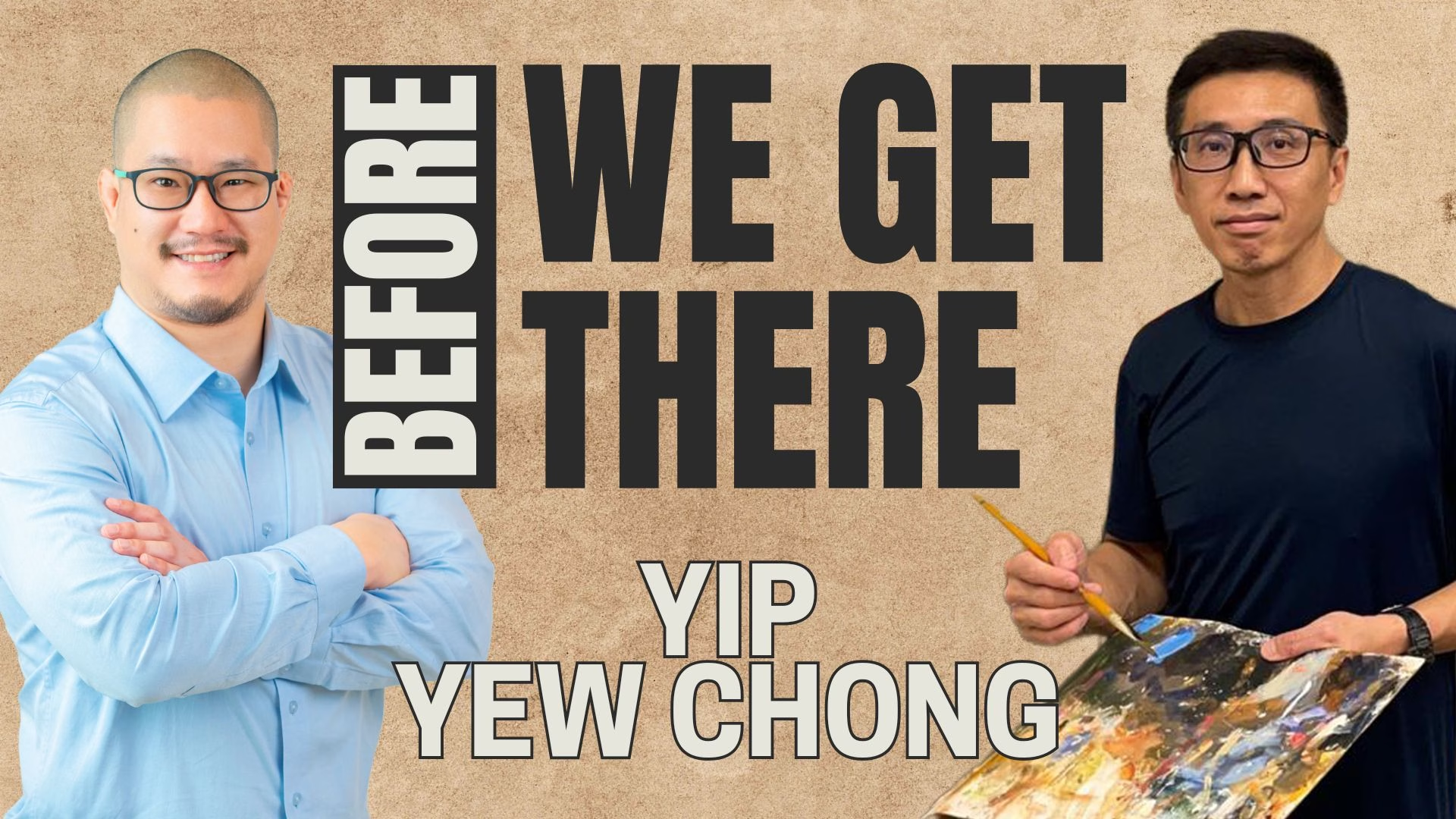
    Sarah Choo Jing on Stillness, Observation, and the Honest Work of Being an Artist

    Sarah Choo Jing is a multidisciplinary artist from Singapore whose work spans photography, video, and installation. Her pieces explore isolation, memory, and the subtleties of human connection through quiet, cinematic scenes. Her acclaimed project Accelerated Intimacy captures vignettes of strangers in hotel rooms — evoking themes of loneliness, voyeurism, and fleeting encounters in contemporary life.

    In this conversation, we talk about Sarah’s creative process, how she knows when a work is “done,” and how she balances honesty and control in her art. We also explore her views on generative AI, the realities of building a career as an artist in Singapore, and how she’s learned to teach creativity without losing curiosity herself.

    Story Highlights

    • How Accelerated Intimacy emerged from conversations with strangers in hotel rooms
    • Why she says, “change is the only constant” in an artist’s career
    • The tension between perfection and honesty in her creative process
    • What isolation means in her work — and in her life
    • How she approaches teaching and redefining art education in Singapore

    Quote

    “Actually, very honestly, I don’t know when an artwork is actually done. I suppose I get quiet enough to hear when it stops asking questions.”

    About Sarah Choo Jing

    Sarah Choo Jing is a multidisciplinary visual artist based in Singapore whose practice spans photography, video, and installation. Her work has been shown at the Venice Biennale, Photo London, and the Singapore Art Museum. Often exploring themes of solitude and observation in urban life, Sarah’s art examines how people connect — or fail to — in modern spaces. She also teaches art and photography, mentoring young creatives on how to balance craft and reflection in a fast-changing world.

    Why This Conversation Matters

    Sarah’s reflections remind us that creativity is rarely about confidence — it’s about attention and honesty. Her process, built on observation and patience, shows how art can mirror the quiet questions we all carry. This conversation opens a window into what it means to create work that asks rather than answers, and why embracing uncertainty can be the truest form of expression.

    Turning Points

    From painting to photography to immersive video installations, Sarah’s artistic evolution mirrors her fascination with human stillness. She learned to treat doubt not as weakness but as part of her craft. While studying and teaching both locally and abroad, she has continued to refine her voice — one grounded in empathy, discipline, and slow observation. Her approach to technology, from digital compositing to generative AI, reflects the same curiosity: using new tools to extend, not replace, human feeling.

    Key Lessons

    • Stillness has power. Pausing creates room for both artist and viewer to feel.
    • Doubt is honest. Quiet uncertainty keeps the work alive.
    • Foundation first. Technology matters less than understanding craft and intention.
    • Education is influence. Shaping young minds starts with teaching curiosity, not perfection.
    • Art is contribution. The goal isn’t visibility — it’s expanding understanding.

    If You Enjoyed This Episode

    You might also like:
    • Mathew Yuhico on Design, Discipline, and Finding Artistic Voice — exploring creativity through structure.
    • Vivian Lim on Building Communities and Courageous Conversations — how openness drives connection and growth.

  • Opera Tang on Authenticity, Artistry, and Building a Life You Believe In

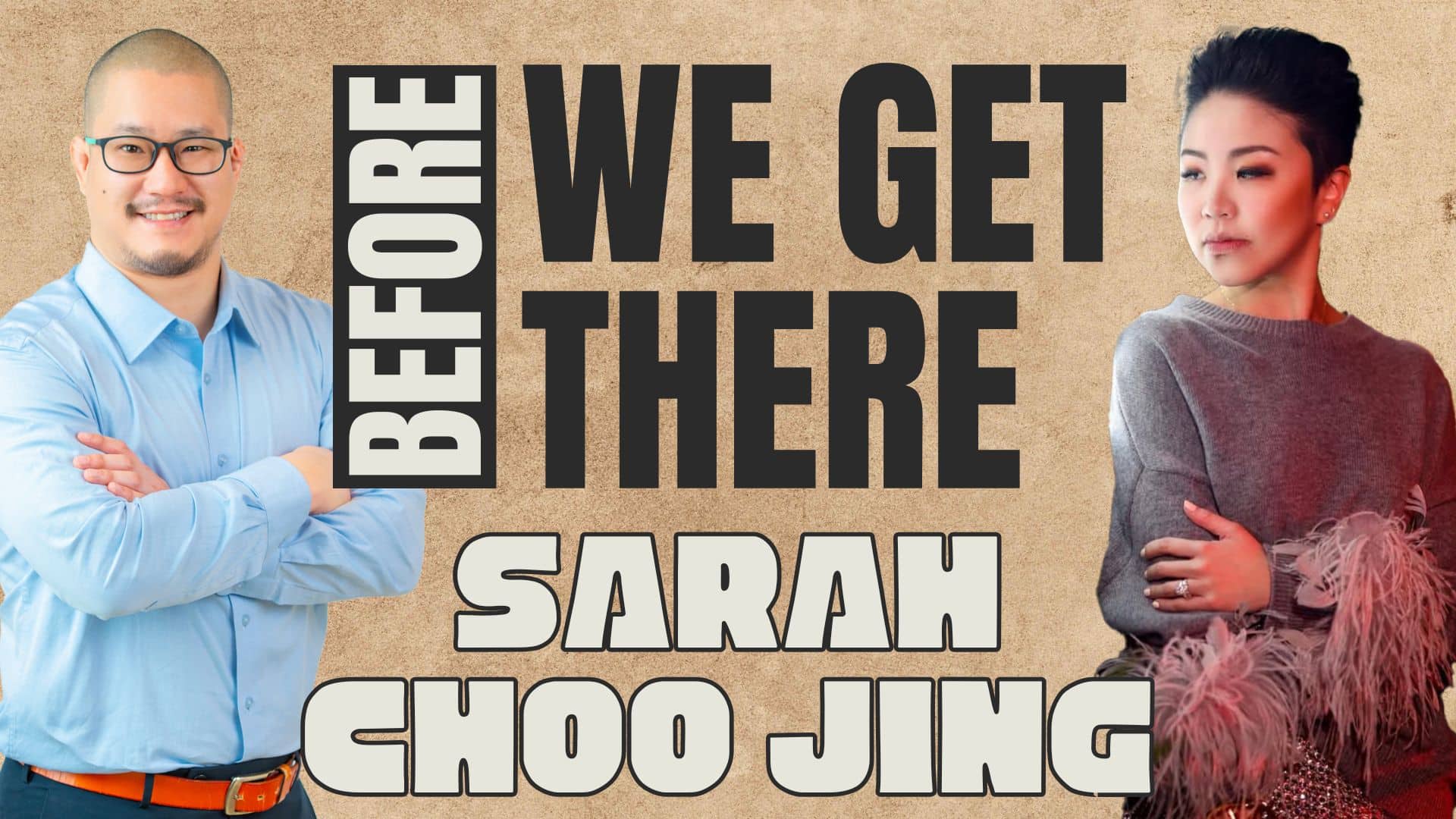
    Opera Tang on Authenticity, Artistry, and Building a Life You Believe In

    Intro

    Opera Tang is a Singaporean drag artist, creator, and storyteller whose work blends advocacy with authenticity. Known for her signature look inspired by Chinese opera aesthetics, Opera has become a voice for creative freedom and self-expression in Singapore’s growing drag scene.

    In this conversation, we talk about how Opera went from working in tech sales to performing drag full-time, how she found her artistic identity through heritage, and what it takes to balance art and commerce as a queer creator. She also shares lessons from her grandmother, the person who taught her how to sew and remains her creative mentor, and how she’s using her platform to bring joy and connection to others.

    Story Highlights

    • Getting laid off from a tech job and taking the leap into full-time drag
    • Discovering her creative identity through Chinese opera and cultural heritage
    • Balancing personal expression with commercial collaboration
    • The role her grandmother plays in her creative process
    • How drag can build bridges between generations and communities

    Quote

    “I live by this quote, which is fake it till you make it, because no one knows what they’re doing at the start. No one knows 100% what they’re set out to do and what they want to achieve. Maybe they know what they want to achieve, but they don’t know how to get there. So just do the things that you think that will help you achieve whatever objective.”

    About Opera Tang

    Opera Tang is a Singapore-based drag artist known for her unique blend of Chinese opera aesthetics, fashion, and performance art. Formerly a tech sales professional, she began performing during the pandemic and has since collaborated with brands like Netflix, MTV, and Carlsberg. Beyond performing, she designs her own costumes, runs her social channels as a one-woman creative team, and frequently collaborates with her grandmother on new designs. Opera continues to advocate for representation, creativity, and intergenerational connection within Singapore’s queer and artistic communities.

    Why This Conversation Matters

    Opera’s story is a testament to authenticity — how embracing your identity, even when it doesn’t fit the mold, can lead to freedom and purpose. Her journey from corporate retrenchment to creative independence shows how art can be both personal and political. This conversation is about courage, reinvention, and the joy of showing up as yourself.

    Turning Points

    From her first performance at a post–Pink Dot party to becoming one of Singapore’s most recognized drag artists, Opera’s path has been shaped by risk and reflection. Getting retrenched from her corporate job pushed her to pursue drag full-time, and with her grandmother’s support, she built her brand from the ground up. What began as a love for costume design evolved into storytelling through performance. Now, Opera is channeling her energy into giving back — volunteering with senior communities and dreaming of creating inclusive spaces where drag and social connection meet.

    Key Lessons

    • Authenticity builds connection. People respond to honesty more than perfection.
    • Adaptation creates opportunity. Every pivot, even unexpected ones, can lead to purpose.
    • Heritage can inspire innovation. Identity and culture are sources of strength.
    • Rest fuels creativity. Taking time off sustains longevity in artistic work.
    • Kindness multiplies. Using art to uplift others creates lasting impact.

    If You Enjoyed This Episode

    You might also like:
    • Nuray Istiqbal on Faith, Reinvention, and Life After Rae Lil Black — about transformation and identity.
    • Jingjin Liu on Leadership, Womanhood, and Redefining Power — exploring authenticity and ambition.
    • Vivian Lim on Building Communities and Continuous Growth — about connection and purpose.

  • Erica Eng on Rejection, Reflection, and Finding Freedom Through Art

    Erica Eng on Rejection, Reflection, and Finding Freedom Through Art

    Intro

    Erica Eng is a Malaysian comic artist and illustrator best known for her Eisner Award–winning graphic novel Fried Rice. Her work captures the quiet beauty of everyday life in Malaysia — the routines, the rituals, and the relationships that shape who we are.

    In this conversation, Erica talks about her creative journey from drawing as a child to publishing Fried Rice, a webcomic that started as a personal story and went on to win one of the world’s highest honors in comics. She shares the lessons she’s learned from rejection, why storytelling is a form of therapy, and how faith and family keep her grounded as she continues to create.

    Story Highlights

    • How childhood memories and book illustrations sparked her love for art
    • Applying to her dream school, getting rejected, and finding inspiration in that moment
    • How Fried Rice began as a webcomic and grew into an Eisner-winning book
    • Writing from personal memories and everyday Malaysian life
    • Balancing animation work, faith, and creative projects after graduation

    Quote

    “I idealized this journey of becoming an artist and going to a particular school and being successful in a particular way. But in the end, it was not an acceptance letter, it was a rejection letter.”

    About Erica Eng

    Erica Eng is a Malaysian comic artist and illustrator whose debut work, Fried Rice, won the prestigious Eisner Award for Best Webcomic in 2020. Her art is known for its quiet storytelling, capturing slices of life that reflect memory, faith, and belonging. Erica has spoken at creative and literary events including TEDx, and her book is now available in print across Malaysia and Singapore. Alongside her illustration work, she continues to explore new projects that merge art, writing, and reflection.

    Why This Conversation Matters

    Erica’s journey is about perseverance through rejection and the power of storytelling to make sense of life. Her honesty about faith, doubt, and creative growth reveals that success isn’t just about achievement — it’s about staying true to your calling even when the path shifts.

    Turning Points

    Erica’s defining moment came not with success but rejection — the email from her dream art school that didn’t go her way. That disappointment became the seed for Fried Rice, a story about ambition, family, and quiet resilience. Publishing it online led her to unexpected recognition, including the Eisner Award that changed her career. Later, working in animation and balancing faith reshaped how she sees success: not as fame or validation, but as faithfulness to her craft and her voice.

    Key Lessons

    • Rejection can redirect you. The “no” you fear might lead to the work you’re meant to create.
    • Everyday life is worthy of art. The ordinary can be extraordinary when seen with care.
    • Faith grounds creativity. Spiritual practice gives meaning beyond recognition.
    • Let the work lead you. Focus on the story, not the outcome.
    • Keep learning. Growth is about curiosity, not control.

    If You Enjoyed This Episode

    You might also like: