Category: Adaptability

  • You Can’t Adapt From Empty

    You Can’t Adapt From Empty

    There are obstacles that should break you but don’t, and minor setbacks that somehow do. The difference isn’t the obstacle itself. It’s where you’re standing when it hits.

    I’ve noticed this pattern clearly enough in my own life to take it seriously. There are periods when everything is moving well, and periods when everything seems to go sideways at once. What I’ve found is that how well I handle the hard times has less to do with the challenge itself and more to do with the state I was in before it arrived. The foundation I’d built in the good times determined how much I had to draw on when things got difficult.

    That’s the part most people miss when they talk about adaptability. We focus on the moment of change: how quickly we pivot, how well we handle the disruption, how fast we recover. But adaptability isn’t just a reactive skill. It’s something you build in advance, often without knowing exactly what you’re building it for.

    The most challenging period of my life so far was just before and after my wife had to deliver our daughter prematurely. The fear that they might not be okay, the emotional weight of that responsibility, the drain of spending twelve hours a day at the hospital. It was the kind of situation that could have easily spiraled. But it didn’t. I wasn’t perfect, but I didn’t lose control either. Looking back, I think that was largely because of where I was mentally and physically leading up to it. I had been preparing to become a father, had my fitness and work going well, and was taking the responsibility seriously. That preparation didn’t eliminate the stress. But it gave me enough of a foundation that I could absorb the shock without completely falling apart.

    There have been other periods where that wasn’t the case. Times when I wasn’t sleeping well, wasn’t eating well, wasn’t taking care of myself in the basic ways. When challenges arrived during those stretches, they felt insurmountable. Not necessarily because they were harder than other challenges I’d faced, but because my baseline was already so low. I wasn’t just dealing with something new. I was already barely keeping my head above water. I had to work twice as hard to get through something I might have handled more smoothly if I’d been in a better place going in.

    This is something I’ve come to think of as the resilience prerequisite. Before you can adapt well, you need something to adapt from. A base level of stability, both physical and mental, that gives you the capacity to respond rather than just react. When that foundation is solid, you’re less frantic when something unexpected hits. You can stay present. You can think clearly. The challenge doesn’t disappear, but your relationship to it changes.

    The tricky part is that building this foundation requires the most effort precisely when it feels least urgent. When work is going well and life feels manageable, it’s easy to let things slide. Skip the gym a few times. Let the structure slip. Coast on the momentum you’ve already built. That’s a natural human response to ease. But those are exactly the moments when the quiet work makes the biggest difference later. Keeping up the morning routine when you don’t have to. Having the tough conversations before they become unavoidable. Staying disciplined when you could reasonably get away with less. Those choices compound in ways you don’t notice until something unexpected hits and you find yourself handling it better than you would have before.

    Research on resilience supports this. Studies consistently show that people who maintain strong physical health, social connection, and psychological stability during stable periods demonstrate significantly faster recovery and adaptation after disruption. It’s not that resilient people feel less stress when things go wrong. They’ve simply built more capacity to work through it. Resilience isn’t a personality trait you either have or don’t. It’s a resource that gets built over time and drawn down when you need it most.

    This reframe matters for how we think about adaptability. Most of us think about adapting as something we do in response to change. A disruption arrives and we figure out how to adjust. But the people who adapt most effectively aren’t just reacting well in the moment. They’ve been preparing the ground long before the disruption showed up. They treat calm periods not as a chance to coast, but as an opportunity to build the capacity they’ll eventually need.

    That’s not the same as living in constant anticipation of disaster. It’s not about expecting things to go wrong or carrying anxiety about what might be coming. It’s about recognizing that life will throw challenges your way, and that your ability to bend without breaking is largely determined by the work you do before they arrive.

    The practical takeaway is straightforward, even if it isn’t always easy to act on. Look at where you are right now. If things are relatively stable, treat that as an asset and use it deliberately. Build the habits, maintain the routines, have the conversations, do the work that will give you a stronger foundation to draw from when things get harder. And if you’re already in the middle of a difficult stretch, focus first on stabilizing your base. Sleep, movement, the relationships that ground you. Not because those things solve the problem, but because they give you the capacity to actually deal with it.

    The storm will come. It always does. The question is what kind of foundation you’ve built by the time it arrives.

  • Stop Looking at the Top. Look One Step Ahead.

    Stop Looking at the Top. Look One Step Ahead.

    When I started spending more time on my podcast and social media, comparison crept in fast. The numbers, the follower counts, what other creators were doing. It’s the kind of thing that can quietly drain you if you let it. But as I started actually following other creators and studying their work, something shifted. I realized that comparison could be a tool for me to learn from, rather than a discouragement. Everyone can teach us something, so rather than focusing on feeling jealous of the people ahead of me, I started to see what I could learn from them. I didn’t stop comparing myself, but I started framing it differently.

    That shift turned out to be an act of adaptation.

    Comparison is one of those things we’re told to avoid. “Comparison is the thief of joy” gets thrown around a lot, and I get it. But the research tells a more nuanced story. Studies show that social comparison is automatic. We size ourselves up against others without even deciding to. Sometimes it shows up as pride, sometimes admiration, sometimes envy. It happens whether we want it to or not, so fighting it is a losing battle. The smarter move is learning to direct it.

    The problem is that most of us don’t direct it at all. We just absorb it. We see someone further along and feel the gap, and that feeling either discourages us or sends us chasing the wrong things. We start optimizing for what they have instead of figuring out what we actually need. We copy surface-level things, the format, the aesthetic, the frequency, without understanding what’s actually driving their results. That kind of comparison doesn’t help us adapt. It just keeps us reactive, always responding to what someone else is doing instead of building something that’s genuinely ours.

    The research points to something more useful. Studies on social comparison consistently show that we draw more inspiration, and less discouragement, when we compare ourselves to people in similar circumstances: similar background, similar stage, similar starting point. The distance matters. When the gap is too wide, the comparison stops feeling instructive and starts feeling demoralizing. But when someone is just a few steps ahead of you, close enough that you can see exactly what they did to get there, it feels possible. That’s the difference between looking at Michael Jordan as your basketball benchmark and looking at the guy in your neighborhood who outscores you in pickup games. One of those comparisons moves you. The other just makes you feel like you’re not enough.

    This is where comparison becomes an adaptability tool. When I started focusing on creators who were just ahead of me, I stopped seeing a gap and started seeing a map. One person was better at structuring a story. Another had figured out how to take a single idea and stretch it across three different formats. Another had a voice so consistent that everything they posted felt intentional, like it was all building toward something. I couldn’t copy any of it directly, and I didn’t try to. But I could take something from each of them and adapt it to what I was building.

    Think of it like putting together the best version of a player by combining the strengths of many. You study the person ahead of you who is great at one thing, take that specific lesson, and figure out how it fits into your own context. Then you do it again with someone else. Over time, you’re not becoming any one of them. You’re building something that’s shaped by many influences but still entirely your own. That process, observing, extracting, testing, adjusting, is adaptation in practice. It’s not passive admiration and it’s not blind imitation. It’s deliberate learning.

    Most people skip this because they’re either too discouraged by the gap or too proud to admit there’s anything to learn. Both are ways of standing still. The people who adapt well tend to be genuinely curious about how others have figured things out, without losing sight of what they’re trying to build themselves. They hold both at once. That’s harder than it sounds.

    The adaptation isn’t just in what you learn, either. It’s in the mindset shift itself. Moving from “why are they further along than me” to “what can I take from where they are” is a real change in how you engage with the world around you. It doesn’t happen automatically. You have to catch yourself in the old pattern and consciously redirect. But the more you do it, the more natural it becomes, and the more useful comparison gets.

    Here’s something practical to take away. The next time you feel that familiar pang of envy or inadequacy when you see someone doing what you want to do, don’t look away and don’t spiral. Get specific instead. Ask yourself three things: What exactly are they doing that I’m not? Is this person close enough to my stage that their path is actually relevant to mine? And what is one thing I could test or try based on what I’m seeing? Write it down if you have to. The goal isn’t to feel better about where you are. It’s to turn a passive emotional reaction into something you can actually act on. Comparison isn’t going away. But with a small shift in how you use it, it stops being something that holds you back and starts being one of the most useful tools you have.

  • Why Preparation Beats Prediction

    Why Preparation Beats Prediction

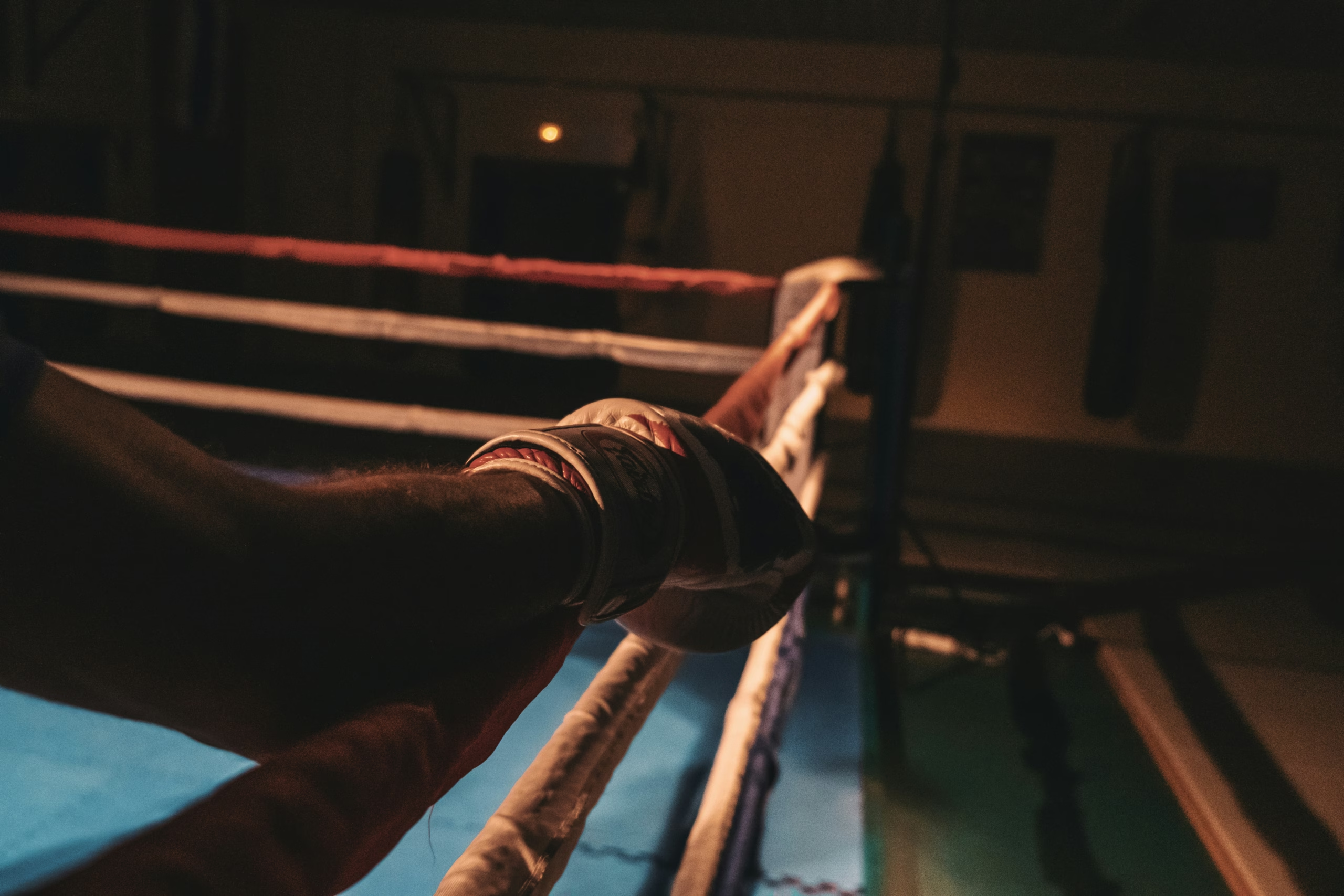
    In fighting, the punches that knock you out are the ones you don’t see coming. Not always the hardest punch. Not the most technically perfect one. The one you weren’t ready for. The one that slips past your awareness for a split second. By the time you realize what’s happened, it’s already landed.

    Anyone who has spent time in a boxing gym or on a jiu-jitsu mat knows this feeling. You’re sparring, things seem under control, and then something lands clean. Not because your opponent did anything extraordinary. Because you didn’t see it coming. Life works the same way.

    The biggest disruptions rarely announce themselves. A layoff. A sudden opportunity. A relationship ending. A moment when you realize the path you’re on no longer feels right. Sometimes there are signals. But we rarely know exactly how things will unfold, or when. And when we sense that change might be coming, most of us respond the same way. We start thinking about it.

    We run scenarios. We imagine best cases and worst cases. We try to plan for everything. It feels productive. But most of the time, it isn’t. What we’re actually doing is worrying. Worrying and preparation can look the same from the outside. They both start with the recognition that something might change. But they lead to very different places. 

    Worrying tries to eliminate uncertainty. Preparation increases your ability to handle it.

    In a world where change is constant, that distinction matters more than most people realize.

    The signals before change

    Major changes in life are rarely completely invisible. There are almost always signals. You feel your industry shifting. New things are appearing faster than before. Your role feels less stable. The company is moving in a direction you’re not sure about. Or the signals are more personal. You feel less excited about what you’re doing. A routine that once worked now feels heavy. A restlessness starts creeping in.

    None of these signals tells you exactly what will happen next. They just tell you that something might. This is the moment when people tend to split into two paths. Some ignore the signal entirely and hope things stay the same. Others start worrying through every possible outcome. But there’s a third option, and it’s far more useful: preparation. Preparation doesn’t require knowing the future. It only requires acknowledging that change is possible, and taking steps to make yourself more capable of handling it.

    Why we fall into overthinking

    Overthinking happens for a simple reason. Uncertainty is uncomfortable. Our brains want clarity and control. When we sense that something important might shift, we try to reduce that discomfort by thinking harder. If we analyze enough, we hope we’ll eventually arrive at the right answer. 

    But there’s a threshold where thinking stops producing insight and starts producing anxiety. The mental loop looks something like this: you imagine what might happen, then another scenario, then a worse one, then a slightly better one, then you circle back again. Hours pass. Sometimes days or weeks. Nothing has actually changed except the level of stress you’re carrying. The reason this happens is that worrying feels like preparation. But it isn’t. Preparation changes your capabilities. Worrying only changes your mood.

    What real preparation looks like

    Preparation doesn’t mean predicting the exact shape of the future. It means strengthening the parts of your life that make you more adaptable when things shift. If you sense instability in your industry, it might mean learning new skills or getting closer to where things are heading. If your career feels uncertain, it might mean building a stronger network or creating work that stands on its own. If a big life transition is coming, it might mean improving your health, your financial footing, or your emotional stability.

    None of this guarantees a specific outcome. It just increases your capacity to respond when change arrives. Fighters understand this intuitively. A boxer doesn’t prepare for a match by trying to predict the exact sequence of punches their opponent will throw. That would be impossible. Instead, they train their conditioning, their awareness, their defense, their reactions. They drill until the responses are instinctive. They’re not preparing for a specific punch. They’re preparing their ability to adapt to any punch.

    Readiness shortens the adjustment period

    The most important benefit of preparation isn’t that it prevents change from happening. It’s that it shortens the time it takes to adapt when change arrives. When something unexpected happens, most people move through a similar sequence: surprise, confusion, then a period of adjustment. But the length of that adjustment period varies enormously depending on how prepared someone is.

    If you’ve already been building skills and relationships and resilience, you recognize what’s happening faster. You start exploring options sooner. You move from reaction to action more quickly. If you haven’t, the same event can feel overwhelming. There’s a longer period of scrambling to figure out what comes next. This is why two people can face the same disruption and end up in very different places. The difference often isn’t intelligence or talent. It’s readiness.

    I’ve seen this pattern come up again and again in conversations on the podcast. The guests who navigate change the best aren’t the ones who predicted it. They’re the ones who had quietly been building the habits and relationships and flexibility that made adaptation possible.

    Building adaptation readiness

    What I’ve come to think of as adaptation readiness is the state of being prepared for change even when you don’t know what form it will take. It’s built through consistent habits over time. Learning new skills keeps your thinking flexible. Maintaining strong relationships expands your options. Taking care of your physical and mental health gives you energy when things get difficult. Reflecting regularly helps you notice signals before they become crises.

    None of this predicts the future. But together, it builds a version of yourself that can respond effectively when the future arrives. You don’t need certainty to move forward. You only need readiness.

    The punches you don’t see coming

    If there’s one thing combat sports teaches quickly, it’s humility. You can be in great shape, train consistently, and still get caught by something you didn’t expect. It happens to everyone eventually. But good fighters don’t rely on predicting every move. They rely on preparation. On training their awareness and their reactions so that when something unexpected happens, they can still respond.

    Life is no different. You won’t see every change coming. You won’t predict every opportunity or disruption that will shape your path. There will always be moments when something lands that you didn’t fully anticipate. The goal isn’t to eliminate those moments. The goal is to build the kind of readiness that lets you stay on your feet when they happen.

    Preparation doesn’t remove uncertainty from life. But it gives you something far more valuable: the ability to adapt quickly when reality shifts. And in a world that changes this quickly, adaptability may be the most important advantage anyone can build.

  • Train Your Adaptability Muscle Before You Need It

    Train Your Adaptability Muscle Before You Need It

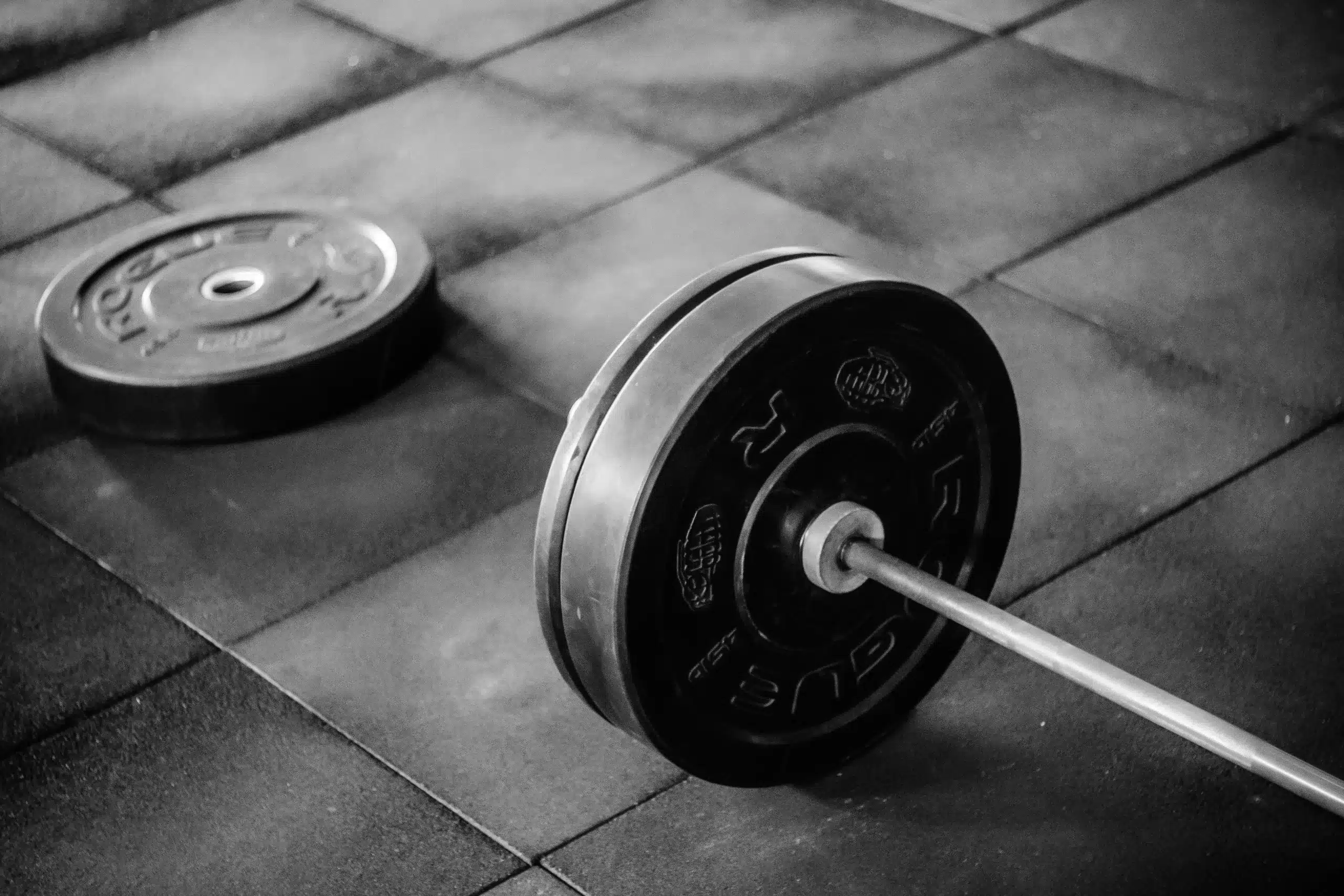
    The problem with waiting for a major life pivot to test your adaptability is that, by the time you actually need it, the muscle has often already atrophied. We treat adaptability as if it were a dormant superpower that will simply activate when a crisis hits. In reality, it functions much more like physical strength. If you haven’t been lifting the small weights of daily change, you will likely buckle under the pressure of a significant one.

    We see this most clearly in the trope of the person who is set in their ways. This is the individual who, over decades, has narrowed their world down to a series of unbreakable loops. They visit the same three restaurants. They order the same dish. They follow the same route. While this is often framed as a hard-earned right to know what one likes, it is more accurately viewed as a failure of cognitive readiness. They have stopped training for the unknown.

    The Science of the Stuck Brain

    To understand how to train the adaptability muscle, we have to look at why it stops working. In cognitive science, this involves the exploration-exploitation trade-off. As detailed by Cohen, McClure, and Yu in their 2007 research on the neural mechanisms of decision-making, this is a fundamental framework for how any system chooses its next move.

    Exploration is the act of trying something new to gather information. It is metabolically expensive and risky because the outcome is uncertain. Exploitation is the act of using what you already know to maximize a guaranteed result.

    Research published in Nature Communications by Mehlhorn et al. (2015) indicates that as humans age, our brains naturally tilt toward exploitation. This is a matter of metabolic conservation. When we repeat an action, we are reinforcing neural pathways through a process called myelination. Myelin is a fatty insulation that makes electrical signals move faster. The more we exploit our existing knowledge, the faster our brains become at those specific tasks, but the less efficient we become at switching gears. If you only ever drive on the same paved highway, you lose the ability to navigate off-road. Being set in your ways is the biological result of over-optimizing for exploitation.

    Repetition 1: Interrupting Automaticity

    The first step in building readiness is reclaiming control from the basal ganglia. As Yin and Knowlton (2006) established in their research on habit formation, the basal ganglia is the region responsible for automatic behaviors. When you are on autopilot, you are not exercising your adaptability. You are simply running a script.

    To break this, you must engage in a practice that forces the brain to transition from “automatic” to “controlled” processing. The most accessible method is the non-dominant challenge. Choose a mundane, highly automated task—such as brushing your teeth or using your phone—and perform it with your non-dominant hand.

    A study in the journal Neuropsychologia by Kelly and Garavan (2005) found that forcing the brain to break these motor habits increases activation in the prefrontal cortex as it overrides the habitual output of the basal ganglia. That feeling of slight annoyance or “brain itch” is exactly what the exercise is for. It is the physiological evidence of your brain being forced to find a new way to solve a familiar problem. By doing this daily, you are training the prefrontal cortex to remain active and available, rather than yielding to the ease of automation.

    Repetition 2: The Radical Menu and the Prediction Error

    The same food example is more than just a culinary habit. It is a sign of low risk tolerance for minor outcomes. When we always order the usual, we are protecting ourselves from a “Reward Prediction Error.”

    As explained by Wolfram Schultz (2016) in his work on dopamine and reward, our brains constantly compare what we expect with what we actually receive. If you expect a great meal and get a mediocre one, your dopamine levels drop. This is a negative prediction error. For a person set in their ways, the fear of this minor chemical dip is enough to prevent them from ever trying something new.

    To train against this, use the Radical Menu protocol. Once a week, go to a restaurant and either order the item you find most risky or let someone else choose for you entirely.

    The bridge to high-stakes adaptability is the management of the “surprise” response. When you are suddenly laid off or a project fails, your brain experiences a massive negative prediction error. If you have never practiced tolerating the minor disappointment of a mediocre sandwich, your nervous system will overreact to the larger shock. By intentionally seeking out small, controlled negative prediction errors, you are desensitizing your amygdala—training yourself to remain functional even when the external environment does not align with your expectations. This is the same mechanism that allows an experienced trader to remain calm during a market dip. They have normalized being wrong in small increments so they can think clearly when the stakes are high.

    Repetition 3: Mental Elasticity through Reframing

    Adaptability is also the ability to hold multiple, conflicting truths at once without becoming paralyzed. This is known as cognitive flexibility. According to research by Adele Diamond (2013) on executive functions, the ability to shift perspective is a core component of how we adapt to changing demands, and critically, it is a skill that weakens without deliberate practice.

    You can exercise this elasticity by practicing intentional reframing. When you experience a minor social friction, a colleague’s curt email, a driver cutting you off, your brain will immediately offer a default narrative. Usually, it casts the other person as incompetent or disrespectful. The exercise is to force yourself to generate three alternative explanations that are equally plausible but have nothing to do with you.

    Research by McRae et al. (2012) showed that individuals who regularly practice generating alternative interpretations of negative events show increased prefrontal activity and decreased reactivity in the brain’s emotion-processing centers. Over time, you are not just changing how you interpret one traffic incident. You are restructuring the default architecture of your response to the unexpected. That is the transfer mechanism: the person who can hold three explanations for a curt email is the same person who can hold three strategic options during a business crisis, rather than locking onto the first one in a panic.

    The Readiness Mindset

    We often admire people who land on their feet during a crisis. We attribute this to their character or their luck. But more often than not, it is the result of a lifelong habit of refusing to let their world become too small.

    If you want to be ready for the big shifts, you have to stop over-optimizing for comfort in the small ones. Research from the Mayo Clinic on cognitive reserve suggests that individuals who regularly challenge their mental routines build a buffer that makes them more resilient to both aging and acute stress. This reserve is the brain’s ability to improvise and find alternate ways of getting a job done.

    The person who always orders the same food isn’t just someone who likes that dish. They are someone who has stopped practicing the art of being wrong. Adaptability is the ability to say “this is not what I expected, but I can work with it.” You cannot say that at seventy if you haven’t been saying it at forty. You have to keep the muscle under tension. You have to keep lifting the weight of the new, the uncomfortable, and the unknown. That way, when life finally demands a heavy lift, you won’t be starting from zero.

  • What Successful Adaptation Feels Like

    What Successful Adaptation Feels Like

    Because our life is full of small adaptations, we don’t stop to think about them a lot. When you plan to order something on a menu, but find out they are out of it, you are forced to adapt. When you’re about to walk out the door, but your child throws a tantrum, you adapt. Since these are so commonplace and we often adapt without stopping to think about it, we don’t develop the self-reflection to understand these small adaptations. But each of these is practice to understand our adaptability skill better. You don’t have to do a debrief after each one, but recognizing you are making even a small adaptation will start to prepare you for the bigger ones.

    The opposite problem happens when we have to make big adaptations. If you get laid off from your job, you probably don’t sit down and think about the steps you need to adapt, you just start applying for jobs. Same thing if you go through a divorce or bad breakup, you aren’t thinking about adapting to your single life, you’re just trying to survive emotionally. But these big adaptations are make or break periods, and if you are actively reflecting on your progress and state during them, you’ll get through them a lot easier.

    Sometimes the adaptations we need to make have a clear ending: you secure a new job, you survive a crisis, meet a deadline. But other times, it isn’t easy to tell if we still need to adapt more, or we can move into maintenance mode. Or sometimes you just feel you are in a funk, something’s not right and you make efforts to turn that around, taking regular walks, connecting with friends, eating healthier. Was your adaptation successful the second you start to feel better?

    When I reflected on the most successful adaptations I’ve made in my life, I realized the biggest indicator of success was the feeling of reaching a new normal. For example, when I transitioned my life in China from being a student to teaching English full-time, there were a lot of milestones along the way. It is tempting to point out the first job I landed or my positive performance review. But none of those were the best indicator I had successfully adapted. I had successfully adapted the day I felt comfortable and confident in front of my students. I had become a teacher and successfully adapted to this new normal.

    Another example is when my daughter was born and I became a father. But the milestone to focus on isn’t the day she was born or when I changed my first diaper. It is the day when being a father, holding and playing with her, getting up to comfort her in the middle of the night felt natural and didn’t require conscious effort. At a new job it wasn’t the day I met my boss, signed the contract, or sat in my first meeting. The adaptation was successful when the job became my new normal: I didn’t overthink before speaking up in a meeting, I easily shared our product with a prospect at an event, or wrote a social media post without reviewing tens of examples.

    Adapting successfully isn’t about hitting a specific metric, it’s about reaching the point that everything feels normal again. You don’t need to proactively think about what is happening, you can just be. If we don’t learn to recognize this shift, we won’t get better at adapting the next time. So keep in touch with yourself, and when you get to that point, congratulate yourself on an adaptation well done.

  • Learning How to Play Again

    Learning How to Play Again

    I’ve realised over the years how easily adulthood squeezes the play out of us. What I didn’t expect was how much play affects the way we handle change. Jiujitsu brought that part back into my life, and with it came more looseness, creativity, and adaptability than I had before.

    One of the most important things I learned from jiujitsu is how beneficial it is for adults to continue to engage in play, and how much it is lacking from our modern lives. Last week, I tried a new sweep and got immediately countered. My training partner laughed, I laughed, and we reset. Those thirty seconds reminded me why I keep showing up. I had no idea I was missing this element of life before I took up jiujitsu, but once I got in the gym, I realized how much freedom there is in the kind of play that grappling is. And soon I realized the freedom of playing more in the gym was showing up outside of it as well. It was easier to tap into my creative side, I was more relaxed and playful, and I felt more connected to the people around me.

    If you haven’t tried it before, you might think jiujitsu is all about fighting, or aggressive cuddling as we jokingly call it. But after you’ve practiced it for a while, you realize that you aren’t really fighting most of the time. Often, you are sparring with people smaller, less skilled, or just a friend that you’ve trained with a hundred times before, and you aren’t going 100% and trying to crush them. That’s where the play comes in. An upper belt rolling with me might let me get to the same position five times in a roll, just because they want to practice from that position, that’s play. When I try new things that I don’t know how to do at a high level yet, and get shut down, that’s play. If there’s a new person who I’ve never trained with before and we slap hands and start grappling, that’s an intense form of play that engages all your senses. When you are having a good training session, the play is built in; you’re automatically engaging in creativity, imagination, and connectedness.

    This wasn’t just my experience; it turns out there’s science behind why play matters. Research shows that play is not childish. It is a biological need. Stuart Brown, who has spent decades studying play, found that adults who make space for unstructured play are more adaptable, more resilient, and less rigid under stress. Other studies go further. Playfulness is linked to cognitive flexibility, the ability to shift strategies quickly when things change, and to higher creativity because the stakes are low enough for experimentation to happen. Play also improves social connection and reduces stress hormones. In other words, the things most of us say we want, such as clarity, resilience, and creativity, do not come from trying harder. They come from giving ourselves permission to play.

    There’s a common phrase that jiujitsu is for everyone, and while I think that’s true, I’m not saying everyone needs to try it. But we all could use more play in our lives. More impromptu moments, more trying something without knowing the outcome, more taking the ball from a partner and going with the flow, more using our creativity in an unstructured way. We spend hours studying how to be more organized and efficient, when sometimes what we need is exactly the opposite. Play is not a break from real life. It is what keeps real life from hardening into something we can’t grow in.

  • Living as a Work in Progress

    Living as a Work in Progress

    Change has always fascinated me, how we deal with it, resist it, or grow through it. After years of working in marketing, building teams, and talking to dozens of people about their journeys, I’ve realized that adaptability isn’t just a professional skill. It’s a life skill. The way we respond to change often determines not only our success, but also our sense of meaning and peace.

    Benjamin Franklin famously said that the only things certain in life are death and taxes. I’d add one more to that list: change.

    The world and our lives shift constantly, whether we want them to or not. Sometimes we move forward, sometimes we take two steps back, but whichever direction we’re heading, change never stops. Our lives will always be a work in progress, no matter how much we achieve. I used to think there was a finish line, some marker of success that would finally make me feel like I’d made it. Now I know that line just keeps moving further down the road.

    Over the past year, I’ve talked to more than 30 people on my podcast, and every one of them has had new challenges to overcome, no matter what stage they were in. From an entrepreneur with a successful startup looking to scale, to an artist with global shows seeking new ways to express herself, to a two-time Olympian building a new career, everyone, regardless of how far they’ve come, still faces change. Sometimes it’s internal, sometimes external. Sometimes it’s a challenge, sometimes an opportunity. But it’s always there.

    Researchers who study adaptability call this self-regulation through change, the ability to adjust our mindset, goals, or direction as our circumstances evolve. It’s what allows people to keep growing even when the path ahead isn’t clear. The opposite isn’t failure; it’s rigidity.

    Seeing life as a work in progress has been comforting. There’s no race to get anywhere; the progress comes from the work itself. I was a late bloomer, starting my corporate career when I was almost 30, but looking back, that didn’t hold me back. What mattered at every stage was how fast and how well I adapted to my situation at the time. The times I felt stagnant were when I wasn’t adapting or driving change. The times I grew fastest were when I was challenged, taking risks, and putting myself in new situations. Change forces us to evolve. We can resist it and be dragged forward, or we can embrace it and move with it.

    In jiu-jitsu, black belts often say that earning the highest rank is like starting over. After the ten or more years it takes to reach that level, thousands of hours of sweating, sparring, and drilling, they feel like beginners again. That mindset reframes the journey, from what’s been achieved to an open world of new possibilities. Our lives are like that too: not a game of levels and linear progress, but a river of currents and eddies where progress is measured by how well we flow, not how far we’ve come.

    Life keeps moving. We’re surrounded by people finding their own ways, shaping their own paths. Sometimes we feel ahead, sometimes behind, but that’s not what matters. There’s always another mountain to climb, another storm to endure. The story doesn’t end; we just keep writing new chapters.

    I keep coming back to this idea: change never stops, but growth is optional. The difference lies in how willing we are to adapt.

  • Closing The Adaptation Gap

    Closing The Adaptation Gap

    The world is changing faster than ever, but our ability to adapt isn’t keeping up. To stay competitive in the job market, or even to just be happy and fulfilled, we need to get better at adapting. We can’t stop change, but we can get better at handling it.

    The pace of change is accelerating

    After the first iPhone launched in 2007, it took 4 years to reach 100 million users1, but after ChatGPT launched in late 2022, they reached that mark in just two months2. The World Economic Forum reported in 2023, that 44% of workers’ core skills will change by 20273. And it isn’t only individuals, Innosight reported that the average lifespan of S&P 500 companies dropped from 61 years in 1958, to just 18 years in 20214. This pace of change isn’t going to slow down any time soon.

    We have to get better at keeping up with changes in business, technology, and even our societies. While the generations before us could take their time adapting to changes, or even choose not to adapt at all. We don’t have that luxury. Changes are coming too quickly for us to ignore them. We have to adapt if we want to remain relevant. While there are people who have opted out of participating in our modern society like hikikomori in Japan, or the lying flat movement in China, for most of us that isn’t a sustainable or desirable option. Our only choice is to get better at adapting.

    How it affects us

    Rapid change isn’t just affecting our job skills and career paths, it has a direct effect on our quality of life. Researchers have found that lower adaptability correlates with higher stress, reduced motivation, and decreased life satisfaction5. In 2023, the American Psychological Association found that there were rising levels of chronic stress tied to uncertainty about work, technology, and global instability6. The answer isn’t to disengage with life, it’s to get better at adapting.

    The thing is, change is good in small doses. It keeps us engaged, challenged, and growing. But too many changes, too quickly, become overwhelming and make us anxious and stressed. A 2024 study found a ‘Goldilocks Zone’ of stress reactivity, moderate stress helps us grow, but too much, too fast burns us out7. Ideally, it wouldn’t be too little, or too much, but just the right amount. But we can’t control how many changes we have to adapt to. However, we can work on getting better at those adaptations.

    What we can do about it

    Adaptability is a skill that can be trained and practiced just like any other. We don’t have to wait for something major to happen to us to practice adapting, we have plenty of opportunities to improve at it all the time. The first step is to put frameworks in place to help us structure how we react when we go through a sudden change. In this post, I distilled the work of Martin’s 2013 study on adaptability in students into 6 key sub-skills that we need to improve our adaptability8. These include things like visualizing your options, changing perspective, and trying new ways of doing things. Working on these skills equips us with tools to use next time we are forced into a sudden change, so we don’t end up stressed, anxious, and overwhelmed.

    In her book, AdaptAbility, MJ Ryan shared that what we often fear when going through a sudden shift isn’t the change itself, it’s the loss of control9. So I advise the first step when you realize you’re going through a situation like this is to pause and ask yourself the question ‘What can I still control right now?” This reframes your thinking and gives you a concrete next step. Every change in our plans or unexpected challenge is a chance to build our adaptation toolkit and be more prepared for the next time.

    Why adaptability matters more than ever

    Adaptability isn’t a skill we’ll need someday when we’ve reached our breaking point. It’s what we need now to keep up with the pace of change and be prepared for the future. I’ve seen how much adaptability matters in my own life. Like when I was unexpectedly laid off, when my baby was born early, or when I suddenly was offered a promotion with new responsibilities. I’m sure you’ve seen it in your life as well, in fact, we all went through some of the most challenging period of needing to adapt when COVID arrived, and almost everywhere in the world was changed from it. We don’t always know when and how we will need to use adaptation, but we can work on how prepared we are.

    Now is the time to start improving your adaptability and prepare for the next change you will need to go through. An Oxford study in 2017 predicted that 47% of jobs could be automated in the next 20 years10. Whether you are more concerned about AI taking your job (or taking over the world), climate change, societal unrest, or the next transition in your life. You will be better prepared to get through those situations if you’ve been building the skills before you need to.

    Conclusion

    Adaptability has turned into a meta-skill that we need to be successful and happy in work and life. Without it we run the risk of anxiety, stress, and burnout. With it, we grow and thrive through new challenges. Change isn’t the danger; not being adaptable enough is. Start building your adaptation toolkit today.

    1. Statista (2011). Global smartphone subscriptions 2007–2011. https://www.statista.com/statistics/330695/number-of-smartphone-users-worldwide/
    2. Reuters (2023). ChatGPT sets record for fastest-growing user base. https://www.reuters.com/technology/chatgpt-sets-record-fastest-growing-user-base-analyst-note-2023-02-01/
    3. World Economic Forum (2023). The Future of Jobs Report 2023. https://www.weforum.org/publications/the-future-of-jobs-report-2023/
    4. Innosight (2021). Corporate Longevity: Turbulence Ahead for Large Organizations. https://www.innosight.com/insight/creative-destruction/
    5. Martin, A. J., & Marsh, H. W. (2006). Academic resilience and its psychological and educational correlates. Psychology in the Schools, 43(3), 267–281. https://www.researchgate.net/publication/229630563_Academic_resilience_and_its_psychological_and_educational_correlates_A_construct_validity_approach
    6. American Psychological Association (2023). Stress in America 2023: A nation recovering but anxious about the future. https://www.apa.org/news/press/releases/2023/11/psychological-impacts-collective-trauma
    7. Rush, J. et al. (2024). Exploring the “Goldilocks Zone” of Daily Stress Reactivity. Frontiers in Psychology. https://pubmed.ncbi.nlm.nih.gov/38330327/
    8. Martin, A. J. (2013). Improving the achievement, motivation, and engagement of students with high-intensity learning needs: The role of adaptability. Learning and Individual Differences, 26, 177–184. researchgate.net/profile/Andrew-Martin-22/publication/259432567_Improving_the_Achievement_Motivation_and_Engagement_of_Students_With_ADHD_The_Role_of_Personal_Best_Goals_and_Other_Growth-Based_Approaches/links/5859dcb008aeffd7c4fd100b/Improving-the-Achievement-Motivation-and-Engagement-of-Students-With-ADHD-The-Role-of-Personal-Best-Goals-and-Other-Growth-Based-Approaches.pdf
    9. Ryan, M. J. (2009). AdaptAbility: How to Survive Change You Didn’t Ask For. Broadway Books. https://books.google.com.sg/books/about/How_to_Survive_Change_You_Didn_t_Ask_For.html?id=PfC_DwAAQBAJ&redir_esc=y
    10. Frey, C. B., & Osborne, M. A. (2017). The Future of Employment: How Susceptible Are Jobs to Computerisation? University of Oxford. https://www.oxfordmartin.ox.ac.uk/publications/the-future-of-employment
  • What My Layoff Taught Me About Adaptability

    What My Layoff Taught Me About Adaptability

    I wrote this reflection after realizing how much being laid off taught me about adaptability. Two years ago, I got laid off out of the blue. It taught me something important: resilience helps you survive, but adaptability helps you thrive. We often hear about how important resilience is, and while it’s true that resilience helps you keep going during tough times, if you aren’t adapting at the same time, you could get stuck in survival mode and find it impossible to break out of the situation. 

    Our team was doing well and hitting our targets, so the news was a complete shock. I was lucky that many of my colleagues were going through the same thing, and we supported each other through messages and coffee meetups. But as the days passed and my application tracker got longer, I realized applying for jobs didn’t feel like enough. I needed to do more than just find a replacement for what I lost. I wouldn’t have called it that at the time, but looking back, I can see I was reframing the situation, putting adaptability into action by changing my perspective and not getting stuck in my thinking. 

    I started not only applying for jobs, but putting my experience and skills to work writing articles, reaching out to my network, and growing my personal brand. I wasn’t just surviving the tough time by trying to get back to employment; I was proactively adapting to the situation and using my new free time to start building something for the future. If I had focused on resilience, I would have been bogged down in the day-to-day of job applications, waiting for interviews, and stretching my savings. But because I had this feeling of needing to do more, I was able to adapt to the situation and grow.

    I was fortunate to be hired at an amazing company for a position with more growth opportunities than my previous job. But through this experience and by adapting to the situation and moving beyond survival mode, I gained more than my new role. By writing articles about marketing, I clarified my own thinking about my field and got better at articulating what I do and why I do it. By publishing more on LinkedIn and Medium, I took steps that built confidence in expressing myself publicly and sharing my views with the world. By starting this newsletter, I built a habit and audience that has been growing until now. Without this new confidence and openness to being more public with my life, it isn’t likely I would have started my podcast, which has almost 7,000 listeners in the last year.

    None of this was pre-planned, I wouldn’t have been able to tell you what the end result, or even the goal was back then. But with hindsight, there’s a clear chain of events that led to where I am today.

    Adaptation isn’t always clear-cut; it can be messy. You don’t need to know exactly where you’re going to get moving. The important thing is to shift beyond resilience to growth. So next time you’re in a tough situation, try to remember to change your perspective, reframe the situation, and adapt to grow.

    If you liked this, you might also enjoy:

  • The Six Key Skills of Adaptation

    The Six Key Skills of Adaptation

    The Six Adaptation Skills We Need
    This week on my ongoing quest to learn more about adaptability after realizing how central it has been to the success of my life and my guests on the podcast, I read psychologist Andrew Martin’s 2013 study on adaptability this week.

    One thing I found was that they used a set of 9 criteria to determine how adaptable someone is. As I was reading through them I realized that they made sense as a set of definable skills we can work on improving, not just a matrix to be judged on.

    I’ve distilled them into six key skills we need to become more adaptable:

    1. Visualize multiple options: See more than one path forward when things shift.
    2. Change the way you think: Reframe how you interpret a situation so you can move through it more effectively.
    3. Seek support from others: Draw on people, information, and resources instead of trying to handle everything alone.
    4. Try new ways of doing things: Be willing to experiment when the old approach no longer works.
    5. Minimize negative emotions: Manage fear, frustration, or stress so they don’t take over.
    6. Elevate positive emotions: Find optimism, curiosity, or joy in uncertainty.

    We often think of adaptability as something static, but together, these subskills form the foundation of adaptability as a competency we can practice and strengthen over time.

    Adaptability isn’t about reacting faster, it’s about responding smarter. These six skills form the base of what I now think of as an adaptability practice: something we can notice, reflect on, and refine with intention.

    If you liked this, you might also enjoy: