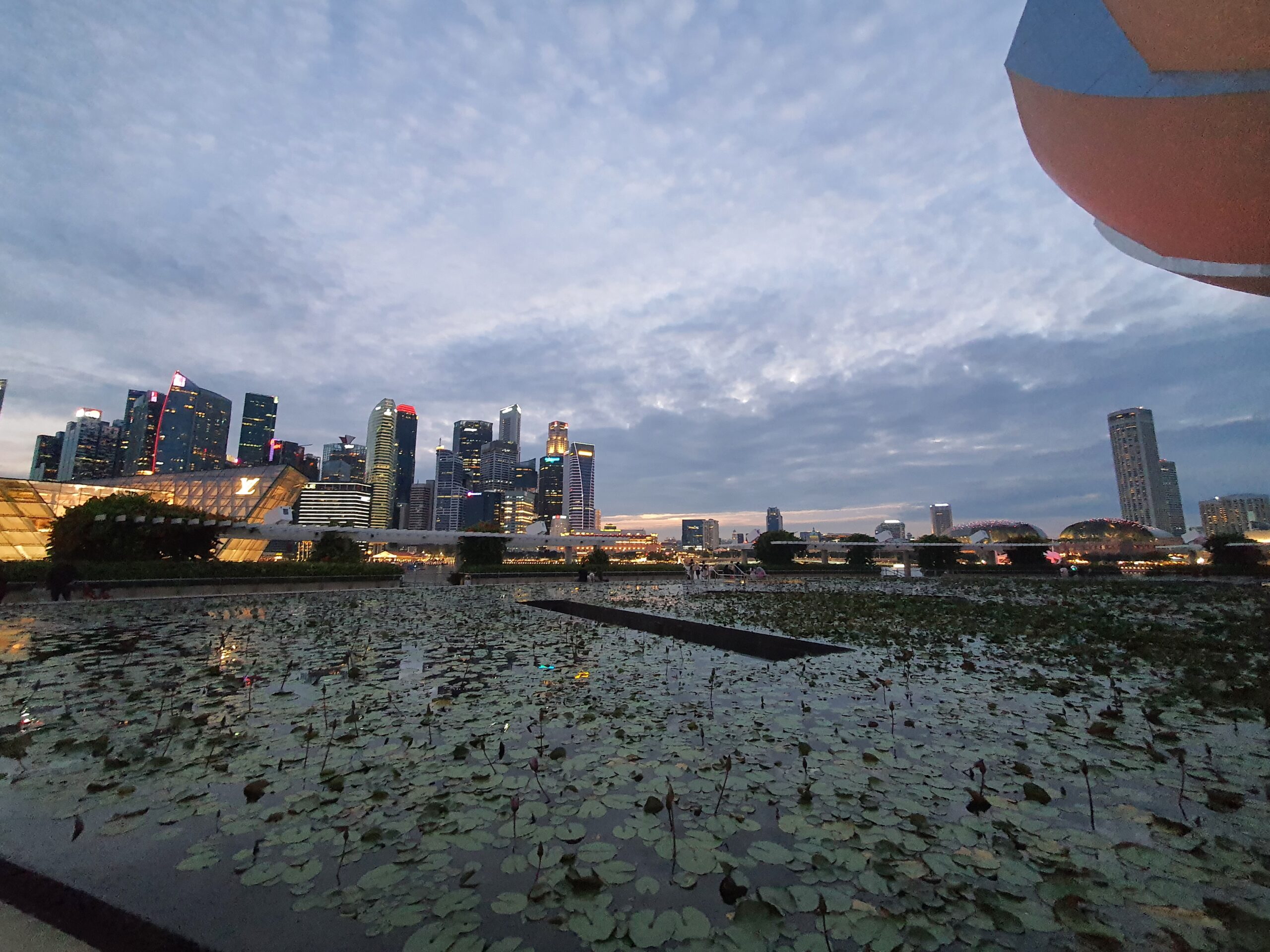

Moving to a new country, especially if it is on another continent is a daunting experience. Not only are you likely to be starting at a new job or school, but you won’t know anyone there, and there will be a lot of unfamiliar things to get used to. Culture shock is a common phenomenon, especially after the first few days or weeks of excitement and adrenaline wear off. When you move to a new place, triply so if you don’t speak the language well, it is exhausting. The most normal everyday things are so much mentally draining than when you are in your home country. And when you are mentally exhausted, picking up or putting up with the cultural differences becomes even more difficult. I experienced a huge amount of culture shock when I made probably one of the more extreme moves possible, from Seattle, Washington in the US, to a tiny village in the middle of nowhere in North Eastern China. I was able to adapt and ended up living a total of 4 years in China, and most recently have lived in Singapore for 9 years. I’ll share my experience with you so that you can be prepared to cope with culture shock and thrive in your new environment.
Be Prepared – Do your research
Nothing will ease your worries more than doing research about the place you are about to move to. There are lots of expat forums, Facebook groups, and Reddit communities where you can search and ask your most pressing questions. Many of the concerns you have may be practical like about phone plans, where to live, schools, transportation, and getting your belongings shipped there. But broader information about the work culture, history of the country, cuisine, and more will also be useful for lowering the culture shock you experience after you arrive. I highly suggest you try to connect with other expats that have lived in the country for a long time for their advice, who knows you may even make some new friends to meet up with after you make your move!

Be open-minded – Don’t expect things to be the same
I think the stereotype of the clueless American tourist has gotten much better over the past decade or so, and if you are planning to move abroad, you probably aren’t one of those types of people anyway. But it will be helpful to mentally prepare yourself for differences in how things work. And be ready to just accept the way things are sometimes. Of course, if you want to structure your home, habits, and activities to be as similar to what they used to be and how you prefer, that will lessen the culture shock. But you won’t be able to tailor everything around you to how you are used to, sometimes you just have to accept it and get used to it. One example in my experience is the lack of lines (or queuing) in China, everyone just pushes their way to the front in bunches and if you wait in an orderly line, you will never get to the front. At first this really annoyed me, but eventually, I accepted if I didn’t want to spend all day waiting for new people pushing in front of me I’d have to adapt and do the same thing.
Another example is crossing the street in some countries like Vietnam, the crosswalks aren’t really used, and with the amount of motorcycle, bicycle, and car traffic, you have to just go if you want to get across. You eventually learn when to start out and that if you just keep walking at a steady pace, you won’t get run over. Not expecting things to be the same is especially true for your work life. Even if you work for a multi-national company, possibly even based in your home country, the local working style and culture could be vastly different. Go in with an open mind and get a feel for the lay of the land before you start pushing back on things you don’t agree with too much. Most local colleagues will be very interested in you and since you will be spending a lot of time with them it will be important to build good relationships and use it as an opportunity to fit in more with local life.
Get close to locals – Don’t only hang out with fellow foreigners
One way many expats deal with coping with culture shock is to try to insulate themselves as much as possible from the local culture and people by staying around other foreigners as much as possible. I find that not only is this just staving off the inevitable, it is also a huge waste of opportunity for personal growth and your understanding of the world and other cultures. The expats I know who integrated themselves well and really got to know the local culture and people all had a much more fulfilling experience than those who lived in a bubble.
The faster you get to know the local culture and the more local people you have to help you navigate the differences, the more quickly you will be able to get over most culture shock and thrive in your new environment. While sticking around people who are from countries similar to yours can ease things for a while, in the long run, you are doing yourself a disservice and missing out on a lot of what you could be learning and experiencing.

Give yourself some treats – Little joys from home can make you feel a lot better
That said, there are some ways you can give yourself some of the comforts of home when you do start feeling some culture shock or homesickness. In my experience, the best way to do this is through food. Since we eat three times a day and the commonly available foods aren’t likely to be what you are used to from home, treating yourself to some comfort food whether by cooking yourself or going out can be a great treat. I always make sure to cook big meals on holidays like Thanksgiving and Christmas, and even weekly home-cooked meals really hit the spot. Sometimes fast food can do the trick as well, McDonald’s breakfasts are one of my favorites and they are the same all over the world.
Learn the language – A bit of effort goes a long way
Besides convenience and getting through day-to-day life, learning a bit of the local language will endear you with the locals, and help you make more friends and get over the culture shock. It may be intimidating at first, especially if it is a language super difference from your own, but it will really help integrate your life more easily. I speak Chinese decently now, which is one of the common languages in Singapore as well, and it really makes a big difference in making day-to-day interactions smoother and alleviating some of the small annoyances of ordering food, talking to taxi drivers, etc. I personally knew people who had lived in China for 10 years and could barely say 20 words, while others became nearly fluent, those who made the effort definitely enjoyed the relationships they could build with non-English speaking locals and other benefits.
Keep ties with home – These days it’s easy to keep in touch
To be honest, after 9 years of continuously living abroad, there are not a lot of people from home I contact on a regular basis. But at the beginning, I think it is very beneficial to keep ties with your friends. They may not understand exactly what you are going through, but they can lend a listening ear when things get overwhelming. I used to have to make expensive Skype calls when I first moved overseas, but now with Facebook and WhatsApp, it doesn’t cost anything to reach out.

Practice gratitude – If you weren’t having this experience you would never know what you were missing
When things get really tough or you are questioning your decision, try to practice gratitude for the opportunity to experience a new life and country and appreciate the experience while you are having it. Not everyone has the chance to live in another country, and I’m positive you will look bad later in your life and be grateful you did it, no matter the challenges you may be facing on any given day. Who knows, you may end up like me and eventually fall in love with a new country and end up settling down there, but even if you move back, you will return as a more experienced, wise, and empathetic person.
Bonus Advice – Be prepared for reverse culture shock
This was something I didn’t expect at all, but a lot of expats who I’ve talked to have experienced the same thing after moving back or even visiting their home country. Reverse culture shock is a real thing, and you may have to go through some of the same processes all over again. Just remember that it is common, and eventually, it will likely go away, although I’m sure there will be some parts of the country you lived in that you will always miss.
I hope this article has given you some practical and philosophical advice for if you are planning to or have just moved to a new country. It is a huge life change for anyone and it is expected to have some challenges, but with these strategies, you can minimize the culture shock and thrive in your new and exciting life. I’ve also written on The Most Important Things You’ll Learn About Yourself From Living Overseas which may give you some extra encouragement!