Intro
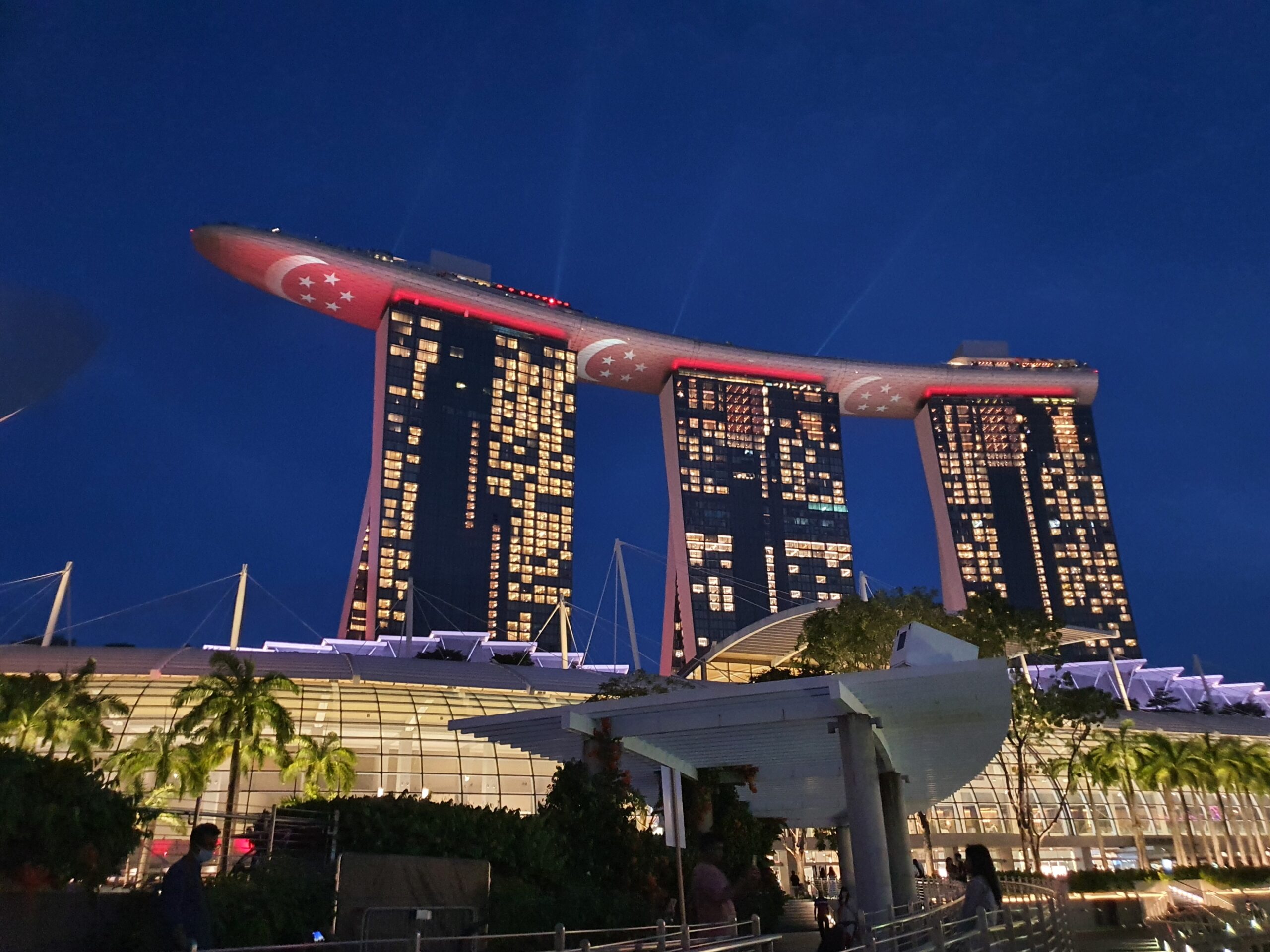
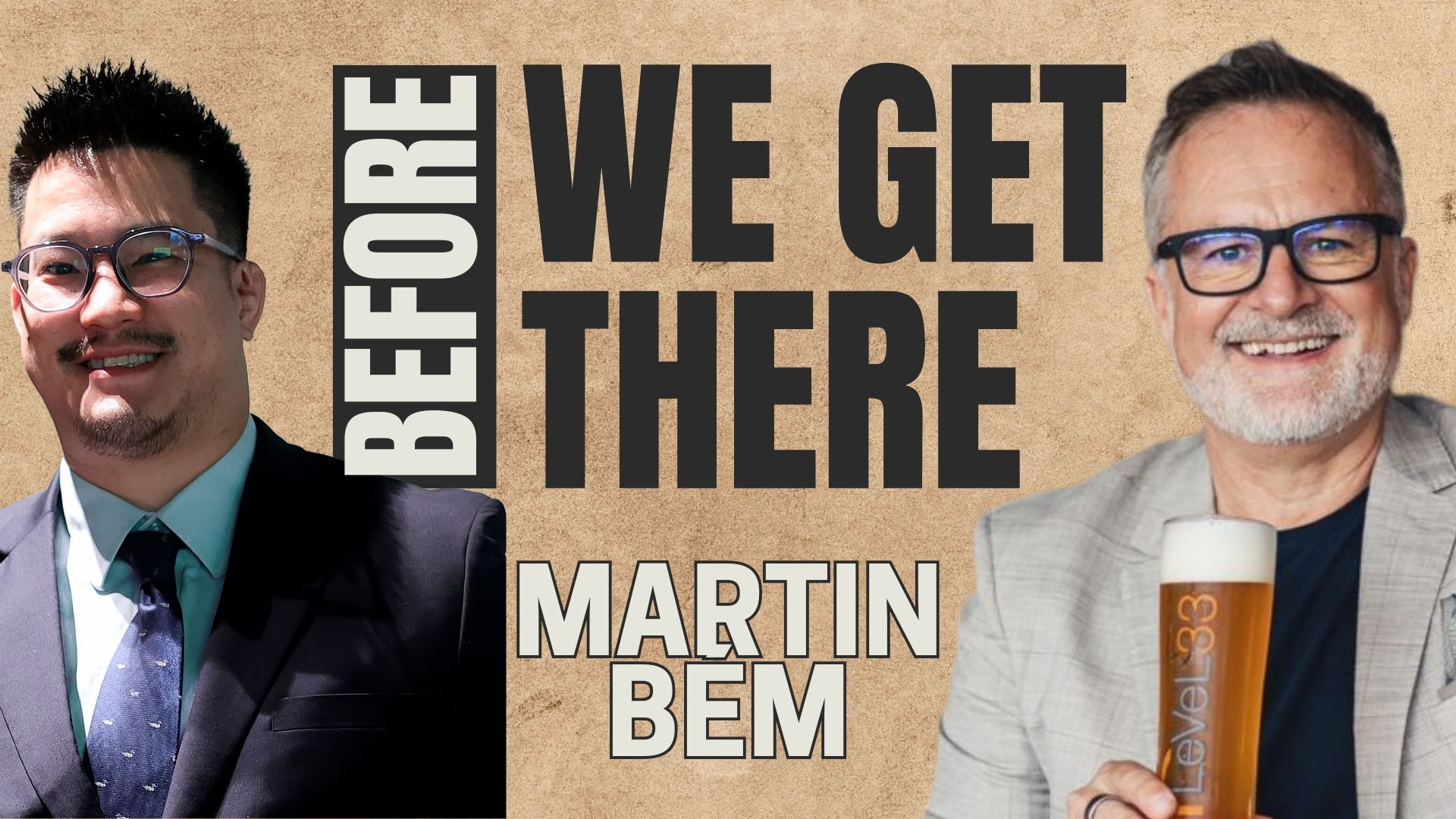
Martin Bém is an Austrian-born entrepreneur who has spent the last 26 years building a business life in Singapore — one that began with a corporate posting and evolved into something entirely his own. He is the founder of Level 33, widely recognized as the world’s highest microbrewery, perched on the 33rd floor of Marina Bay Financial Centre.
In this episode, we move past the landmark location and the accolades to look at the full arc of how he got there. Martin walks us through arriving in Singapore in 1999 as a relative unknown to the region, deciding to leave the corporate track and start his own business, and being immediately hit by SARS. We get into what it took to survive that, how COVID nearly undid an expansion years in the making, and what he’s learned about making decisions when you don’t have the full picture. This is a conversation about staying curious, not falling in love with your own ideas, and building something that lasts.
Story Highlights
- Moving from Vienna to Milan to Singapore in 1999 on a posting with San Pellegrino, and choosing to stay rather than return to a corporate ladder in Europe
- Launching PO Partners as a bridge between European brands and Asian markets — and landing in the middle of the SARS outbreak days after signing the first contracts
- Finding a business partner with months of runway left, a relationship that has now lasted 24 years
- Building the restaurant concept on the back of a distribution deal, entering the F&B world with zero prior operational experience
- The thinking behind Level 33 — wanting fresh, unpasteurized beer, a serious wine list, and a real kitchen under one roof, in a location nobody else had thought to ask about
- Getting within days of signing a licensing deal to bring Level 33 to Australia, only for COVID to derail the construction and the developer to pivot to apartments
- A staff retention model built around monthly appraisals, a four-day kitchen work week, service charge distributions, and a mission beyond just running a restaurant
- The challenge facing Singapore’s F&B industry — rising rents, labor quotas, and well-resourced foreign chains using Singapore as a proving ground
- The line between passion and stress when your business employs 70 people and the government is changing opening rules week to week
Quote
“You cannot fall in love with your concept too much. I take my favorite dishes off the menu if they don’t sell.”
About Martin Bém
Martin Bém is the founder of Level 33, the world’s highest microbrewery, located at Marina Bay Financial Centre in Singapore. Originally from Vienna, with a PhD and early career years in Milan, he arrived in Singapore in 1999 on a corporate posting and never left. Over the past two and a half decades, he has built and operated multiple F&B concepts across Singapore and China, including Brauhaus, and has been a consistent voice on the challenges and opportunities facing the industry in the region. He is currently working toward B Corp certification for Level 33 and exploring expansion opportunities internationally.
Why This Conversation Matters
Martin’s story cuts against the clean version of entrepreneurship. He didn’t leave a corporate job with a fully formed plan and a runway — he left with a few months of savings, launched into a health crisis that shut down the entire market, and built from there. What’s interesting isn’t the success of Level 33, which by now is well documented. It’s the decision-making behind it: when to hold, when to cut, how to stay attached enough to care but detached enough to act. For anyone navigating the tension between conviction and flexibility — in business or otherwise — this conversation is worth sitting with.
Turning Points
Martin’s path was shaped by several moments where the plan simply stopped working. SARS hit before his first clients could place an order. A 24-year business partnership was born out of necessity when the funds ran low. The Australia expansion — fully designed, terms agreed upon — was erased by COVID and a developer who did the math on apartments. What emerges from each of these isn’t a pivot narrative, but something quieter: a pattern of recognizing what you can’t control, doing the math honestly, and moving forward anyway. The decision to leave the Bjо microbrewery franchise in China in 2019 — in hindsight, at the right moment — shows the same instinct applied in reverse.
Key Lessons
- Start small and test before making drastic moves — a pilot that gets traction is more useful than a leap of faith
- In F&B, the feedback cycle is short; if something isn’t working, you’ll know within a week, so act on it
- Falling in love with your own idea is one of the more costly habits a founder can have
- Retention is built through systems, not gestures — monthly check-ins, shared upside, and a sense of purpose beyond the job
- Passion is sustainable when the challenge feels interesting rather than threatening, and building a good team makes that possible
- Know when to exit; not every peak is a plateau
If You Enjoyed This Episode
You might also like:
- Charlene Chew on Evolving Identity, the Cost of the Mask, and Processing Trauma — navigating resilience and what it costs to be visible.
- Cassandra Ong on Building her Marketing Agency After a Layoff — on betting on yourself when the path disappears.