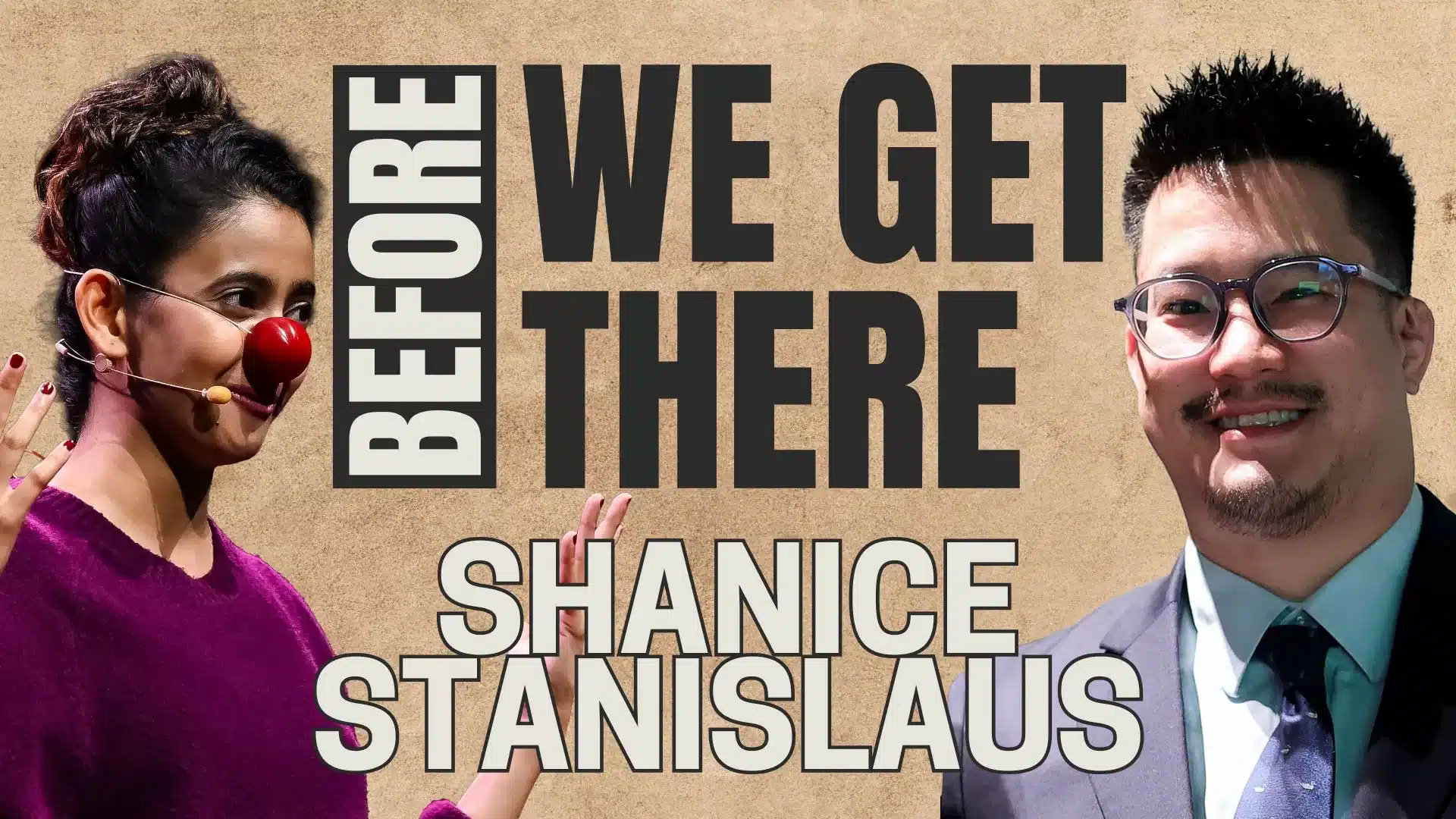
Shanice Stanislaus is a Singaporean professional clown, performer, and educator whose work sits at the intersection of comedy, vulnerability, and social critique. In a country known for discipline, success, and emotional restraint, Shanice chose a path built on failure, play, and showing up exactly as you are.
In this episode, we talk about how Shanice discovered clowning at NYU, why it shattered her ideas of what performance could be, and how learning to “take off the mask” became a personal and political act. She shares what it’s like to feel unseen in your own country, to be celebrated abroad but doubted at home, and to keep coming back anyway.
From being kicked out of clown class in France, to winning international awards, to running workshops that help engineers, teachers, and students reconnect with joy, this is a conversation about identity, belonging, and the courage to look foolish in order to feel whole.
Story Highlights
Growing up in Singapore feeling pressure to be serious and successful
Discovering clowning at NYU and realising failure could be a skill
Learning to remove emotional “masks” through play
Being rejected and doubted by arts institutions at home
Finding validation and confidence through international training and touring
Winning awards abroad before being recognised locally
Teaching clown workshops to adults who believe they “aren’t funny”
Using the red nose as a safe way to be vulnerable
Helping others reconnect with joy, play, and self-trust
Quote
“It almost felt like you always had to put a mask on. In Singapore, you need to be successful. Clown class was the first place where I learned how to take the mask off.”
About Shanice Stanislaus
Shanice Stanislaus is a Singaporean professional clown, performer, and educator who has trained internationally in France, the UK, and the US. Her award-winning shows have toured globally, earning recognition in Canada and beyond. Alongside performing, she runs clown workshops through Creatives in Spirit, working with students, professionals, and communities to help people reconnect with play, confidence, and emotional freedom. Her work challenges conventional ideas of success, seriousness, and what it means to be an artist in Singapore.
Why This Conversation Matters
Shanice’s story captures a tension many people feel but struggle to name: the gap between who we are expected to be and who we actually are. This episode goes beyond performance and art, touching on fear, identity, cultural pressure, and the cost of constantly wearing a mask. It is a reminder that joy, play, and failure are not distractions from real life — they are essential parts of it.
Turning Points
After discovering clowning at NYU, Shanice returned to Singapore and tried to balance creative ambition with stability through a corporate marketing job. Feeling increasingly disconnected, she took the risk to train in France and later the UK, where harsh feedback and rejection forced her to confront her own loss of playfulness. Despite international success and awards, returning home brought skepticism and doubt from institutions that didn’t know how to place her work. Rather than leaving for good, Shanice chose to stay engaged with Singapore — teaching, performing, and slowly building space for clowning to exist locally.
Key Lessons
Failure can be learned and practiced
Play is not childish — it is essential
Being unseen does not mean you lack value
External validation is unreliable but revealing
Cultural pressure shapes identity more than we realise
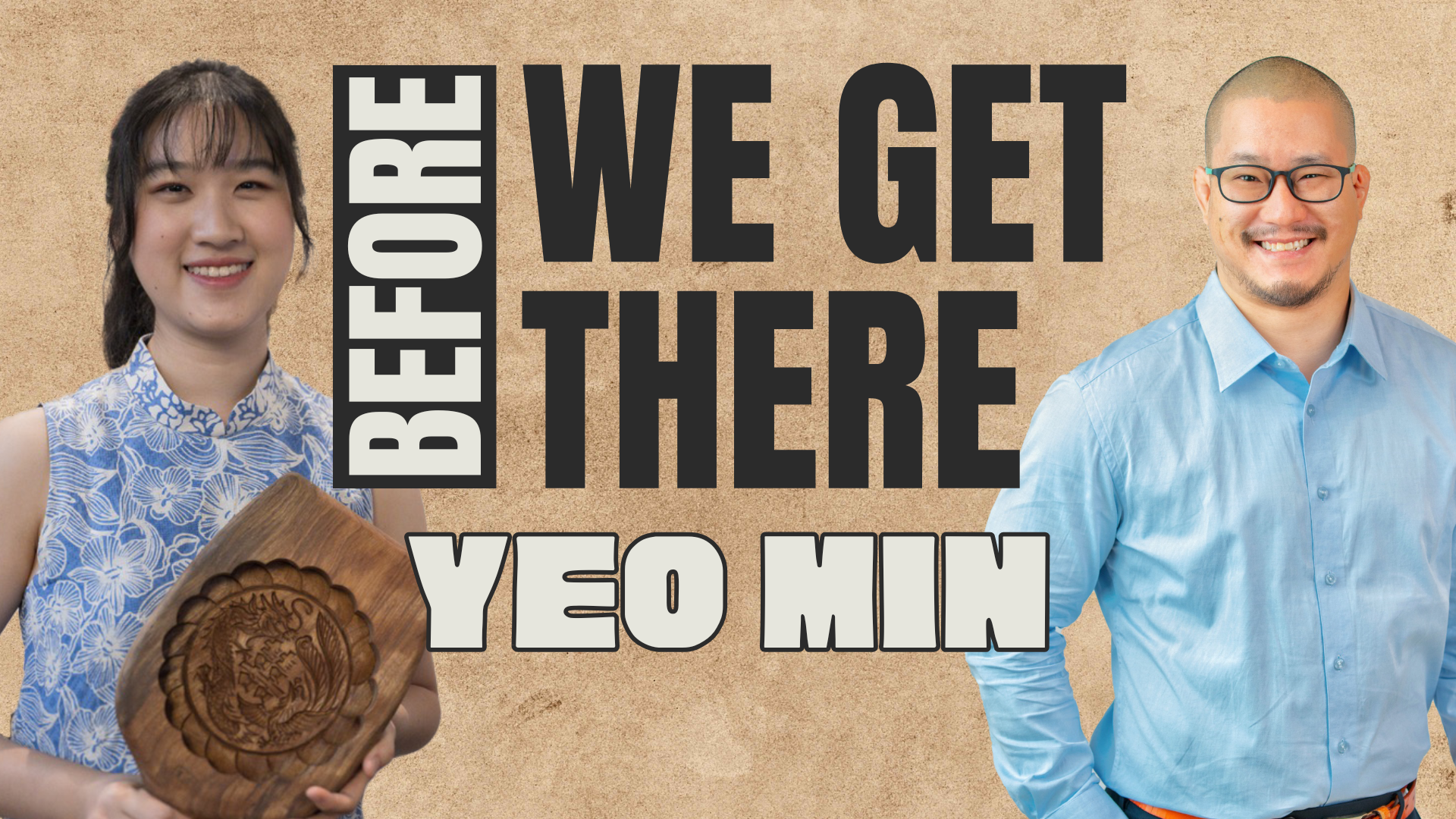
Yeo Min is the author of Chinese Pastry School, founder of Pastories Bakery, and co-founder of the Museum of Food Singapore, a nonprofit dedicated to preserving and educating the public about local food heritage.
In this conversation, we explore how Yeo Min left her career in social work to study pastry, what drew her to traditional Chinese pastries, and how she’s balancing creativity, entrepreneurship, and cultural preservation. From her “cool aunt” sneaking her to McDonald’s as a kid to writing one of the first English-language cookbooks on Chinese pastries, Yeo Min’s story is both deeply personal and profoundly local — a look at how food can connect past, present, and identity.
Story Highlights
The accidental journey from social worker to pastry chef
How she met her mentor, Chef Pang, and fell in love with heritage baking
Why she wrote Chinese Pastry School to document disappearing crafts
The challenge of pricing and sustaining heritage food businesses
Building the Museum of Food Singapore to preserve culinary memory
Quote
“I feel like we need to be more proud of our food heritage, like our food heritage, and just, just sell it. Don’t be shy about it and just be proud of it like any other person.”
About Yeo Min
Yeo Min is a Singapore-based pastry chef, author, and food heritage advocate. After working in social services, she pursued pastry school and discovered her calling in traditional Chinese pastries. She later founded Pastories Bakery, co-founded the Museum of Food Singapore, and published Chinese Pastry School — a first-of-its-kind guide to the craft, science, and stories behind Asian pastries. Her work bridges research, education, and entrepreneurship, bringing forgotten food traditions to a new generation.
Why This Conversation Matters
Yeo Min’s story captures what it means to redefine heritage in modern Singapore. Her reflections on craft, pricing, and pride shed light on how traditions survive only when they adapt. In a city obsessed with innovation, she reminds us that preservation is also progress — that being proud of where our food comes from is the first step toward keeping it alive.
Turning Points
From making dumplings in a London dorm room to studying pastry in Singapore, Yeo Min’s evolution was sparked by curiosity. Meeting Chef Pang shifted her direction from Western-style baking to heritage pastries, and the closure of old pastry shops deepened her resolve to document traditional techniques. Writing Chinese Pastry School became both a research mission and a love letter to her culture. Through the Museum of Food, she’s extending that mission — teaching children, families, and visitors that food is not just flavor but history.
Key Lessons
Heritage evolves. Tradition survives through adaptation, not imitation.
Pride is preservation. Value comes from seeing local food as craft, not commodity.
Education drives change. When people know the story, they’re willing to pay for it.
Mentorship matters. Knowledge must be passed down to stay alive.
Creativity can serve culture. Innovation and respect can coexist in the kitchen.
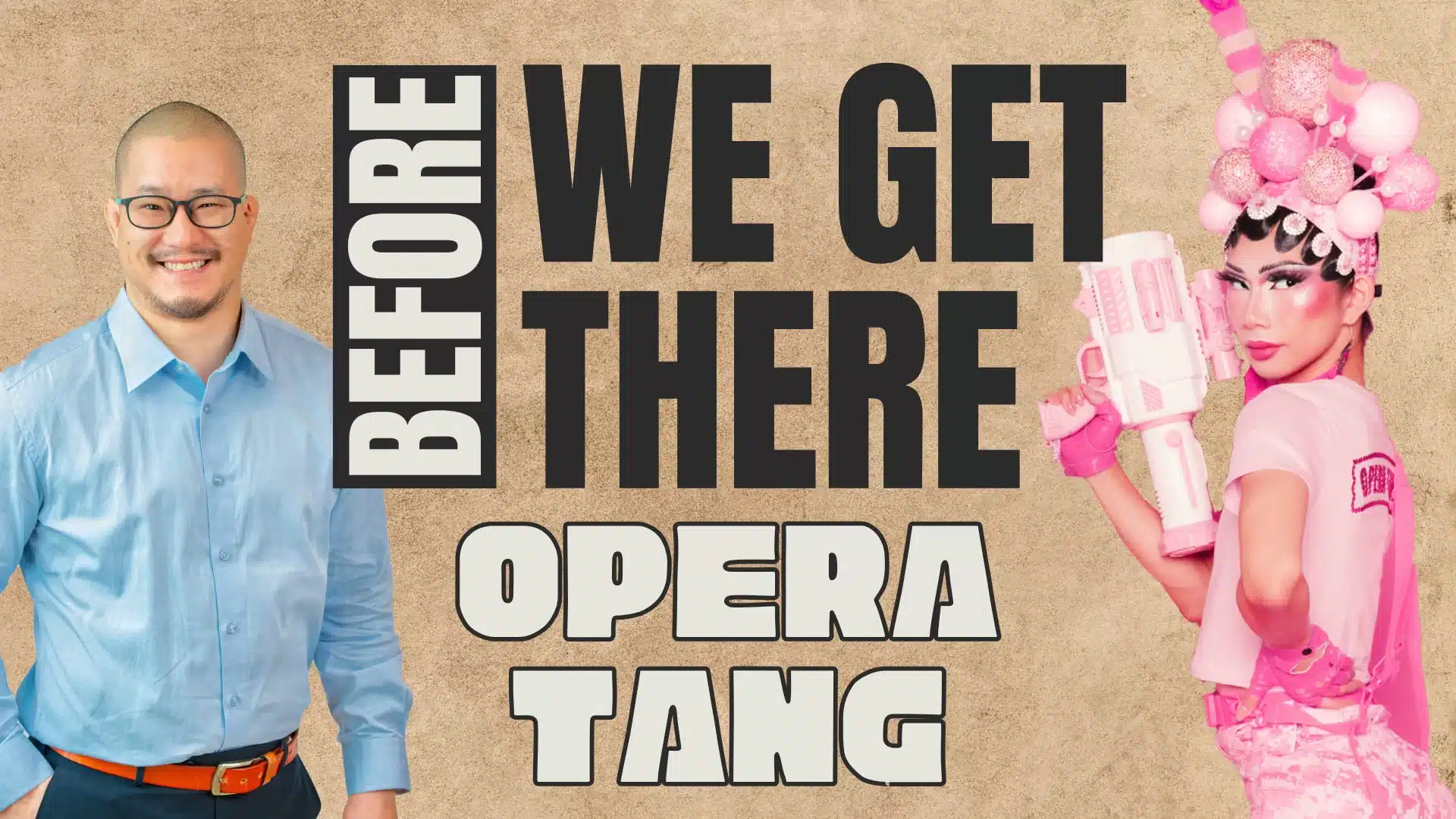
Opera Tang is a Singaporean drag artist, creator, and storyteller whose work blends advocacy with authenticity. Known for her signature look inspired by Chinese opera aesthetics, Opera has become a voice for creative freedom and self-expression in Singapore’s growing drag scene.
In this conversation, we talk about how Opera went from working in tech sales to performing drag full-time, how she found her artistic identity through heritage, and what it takes to balance art and commerce as a queer creator. She also shares lessons from her grandmother, the person who taught her how to sew and remains her creative mentor, and how she’s using her platform to bring joy and connection to others.
Story Highlights
Getting laid off from a tech job and taking the leap into full-time drag
Discovering her creative identity through Chinese opera and cultural heritage
Balancing personal expression with commercial collaboration
The role her grandmother plays in her creative process
How drag can build bridges between generations and communities
Quote
“I live by this quote, which is fake it till you make it, because no one knows what they’re doing at the start. No one knows 100% what they’re set out to do and what they want to achieve. Maybe they know what they want to achieve, but they don’t know how to get there. So just do the things that you think that will help you achieve whatever objective.”
About Opera Tang
Opera Tang is a Singapore-based drag artist known for her unique blend of Chinese opera aesthetics, fashion, and performance art. Formerly a tech sales professional, she began performing during the pandemic and has since collaborated with brands like Netflix, MTV, and Carlsberg. Beyond performing, she designs her own costumes, runs her social channels as a one-woman creative team, and frequently collaborates with her grandmother on new designs. Opera continues to advocate for representation, creativity, and intergenerational connection within Singapore’s queer and artistic communities.
Why This Conversation Matters
Opera’s story is a testament to authenticity — how embracing your identity, even when it doesn’t fit the mold, can lead to freedom and purpose. Her journey from corporate retrenchment to creative independence shows how art can be both personal and political. This conversation is about courage, reinvention, and the joy of showing up as yourself.
Turning Points
From her first performance at a post–Pink Dot party to becoming one of Singapore’s most recognized drag artists, Opera’s path has been shaped by risk and reflection. Getting retrenched from her corporate job pushed her to pursue drag full-time, and with her grandmother’s support, she built her brand from the ground up. What began as a love for costume design evolved into storytelling through performance. Now, Opera is channeling her energy into giving back — volunteering with senior communities and dreaming of creating inclusive spaces where drag and social connection meet.
Key Lessons
Authenticity builds connection. People respond to honesty more than perfection.
Adaptation creates opportunity. Every pivot, even unexpected ones, can lead to purpose.
Heritage can inspire innovation. Identity and culture are sources of strength.
Rest fuels creativity. Taking time off sustains longevity in artistic work.
Kindness multiplies. Using art to uplift others creates lasting impact.
If You Enjoyed This Episode
You might also like:
Nuray Istiqbal on Faith, Reinvention, and Life After Rae Lil Black — about transformation and identity.
Jingjin Liu on Leadership, Womanhood, and Redefining Power — exploring authenticity and ambition.
Vivian Lim on Building Communities and Continuous Growth — about connection and purpose.
Sometimes, life takes us on unexpected journeys. My recent podcast guest is a testament to this, seamlessly weaving together two worlds that seem worlds apart: professional boxing and culinary entrepreneurship. From winning a prestigious boxing title to building a unique fusion food brand, their journey is packed with lessons on grit, passion, and adaptability. Here are the top five takeaways from our conversation, offering insights that can inspire anyone pursuing their dreams.
1. Passion Transforms into Opportunity
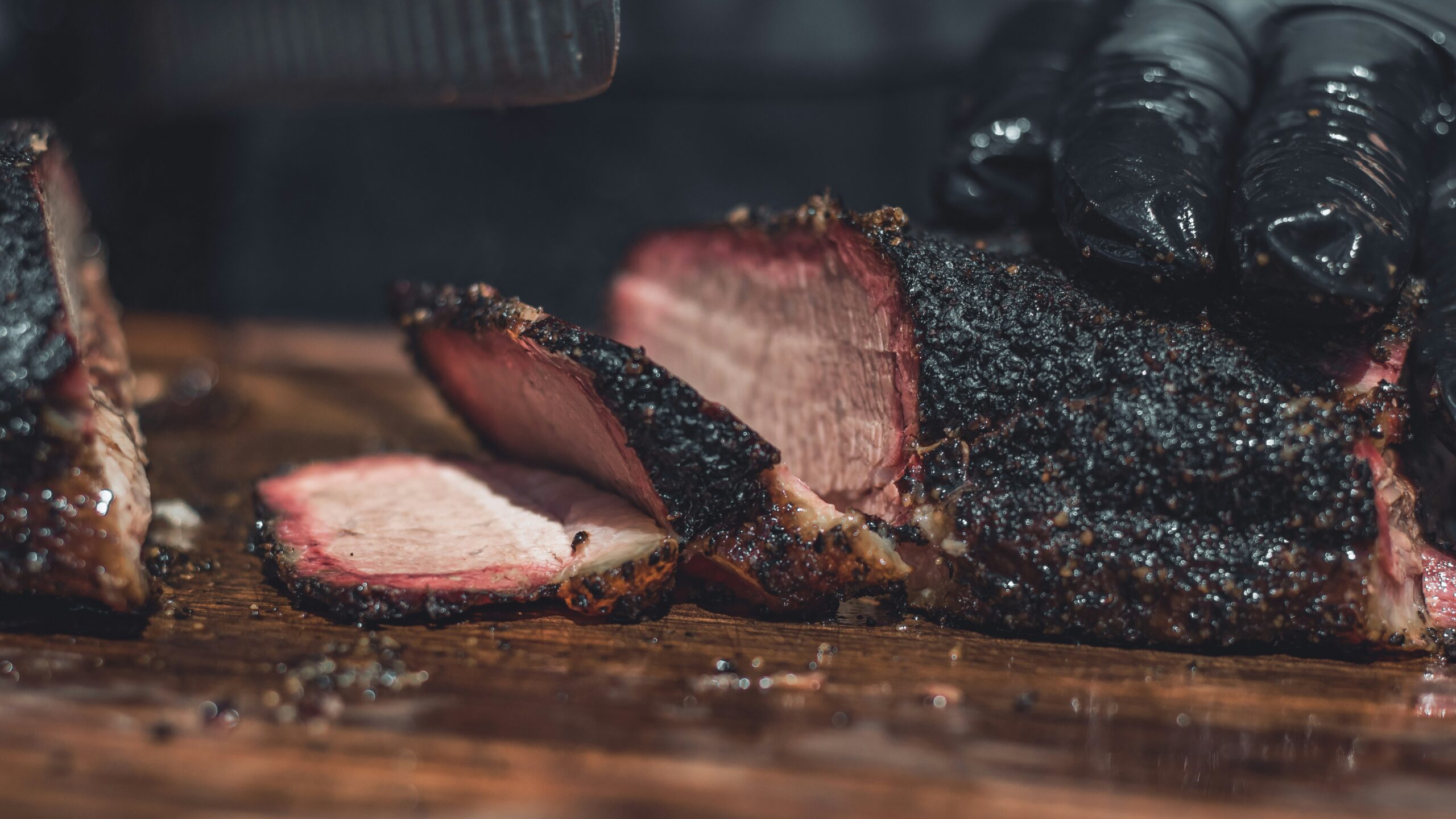
Every great story starts with a spark, and for my guest, that spark came during culinary school. What began as a fascination with curing and smoking meat turned into a small home-based business, smoking bacon in a backyard grill. They started by selling to chef friends, and through Instagram marketing, what was once a personal experiment quickly gained traction.
This journey teaches us that passion is the first ingredient in the recipe for success. But passion alone isn’t enough—it’s the action you take, no matter how small, that transforms an idea into something tangible. Starting small doesn’t limit you; it lays the groundwork for future growth.
If you have a passion project waiting on the sidelines, ask yourself: what’s stopping me from taking that first step today?
2. Resilience is the Foundation of Success
Success isn’t a straight line; it’s a winding path full of setbacks and comebacks. For my guest, this was true both in the boxing ring and in business. Early losses in their professional boxing career, including a controversial decision that felt like a “robbery,” were tough to swallow. Similarly, their initial ventures in the food industry weren’t all smooth sailing. They faced challenges like finding the right location, adapting to customer needs, and learning the nuances of restaurant management on the go.
But what stood out was their perspective: setbacks aren’t roadblocks, they’re lessons. In boxing, a loss isn’t the end; it’s a chance to improve, to come back stronger. In business, a failed approach is an opportunity to pivot and innovate. This mindset of resilience—taking challenges in stride and moving forward—offers a blueprint for overcoming adversity in any area of life.
3. Success is a Team Effort
One of the most striking aspects of my guest’s journey was their deep appreciation for community. In boxing, their bond with their coach and gymmates created a support system that fueled their growth. Similarly, in business, their family and close friends played an integral role, from helping with grueling early-morning smoke sessions to encouraging them to keep pushing forward.
This highlights a crucial lesson: success is rarely a solo endeavor. Behind every milestone is a network of people who lend their support, whether it’s through guidance, hands-on help, or simply being there during tough times. Building and nurturing these connections is as important as honing your craft.
For anyone feeling overwhelmed by a big dream, remember: you don’t have to do it alone. Lean on your community, and don’t be afraid to ask for help.
If there’s one word that defines my guest’s journey, it’s adaptability. After finding initial success selling smoked bacon, they scaled their operations, opened a virtual restaurant in a cloud kitchen, and eventually transitioned to a dine-in restaurant. But this wasn’t a straightforward process. For example, their business in the cloud kitchen struggled to convey the essence of their Texan-Japanese barbecue concept, leaving customers confused and orders inconsistent.
Rather than sticking rigidly to a failing model, they adapted. Moving to a physical restaurant space allowed them to interact directly with customers, share the story behind their food, and create a more immersive experience. They even invited regulars into the kitchen to see the smoking process firsthand, building a deeper connection with diners.
The takeaway? Listening to feedback and being open to change can turn challenges into opportunities. Whether you’re running a business, pursuing a creative project, or simply navigating life, flexibility is a superpower.
5. Balancing Ambition with Well-Being
Balancing multiple passions—boxing and running a restaurant—is no easy feat. My guest described a grueling schedule: training six days a week in the mornings, managing restaurant operations throughout the day, and closing shop late at night. This relentless pace, compounded by the physical demands of weight-cutting and fight preparations, took a toll on their body and mind.
While they managed to power through, they’ve since decided to take a short hiatus from boxing to focus on their business and health. This decision reflects an important lesson: ambition is admirable, but it should never come at the expense of your well-being. Learning to recognize when to push and when to pause is crucial for sustaining long-term success.
If you’re juggling multiple priorities, take a moment to assess whether you’re giving yourself enough space to rest and recharge. Sometimes, slowing down is the fastest way forward.
Final Thoughts
What resonated most with me during this conversation was the idea that success isn’t about following a single straight path—it’s about navigating the twists and turns, learning from every stumble, and adapting to whatever comes your way. Whether you’re stepping into a boxing ring or launching a business, the principles of resilience, adaptability, and community apply universally.
If this story sparked any reflections or lessons for you, I’d love to hear them. What challenges have you faced in pursuing your passions, and how did you overcome them? Let’s chat in the comments below—I’m always eager to hear your thoughts.
Listen to the full podcast here: Youtube: https://youtu.be/yElYpWaLdF8 Spotify: https://open.spotify.com/episode/0WZXin0EtfuvPnitj6xiJm?si=127f874e6fe54f3a
And as always, stay tuned for more inspiring stories and lessons from my guests. Until next time!
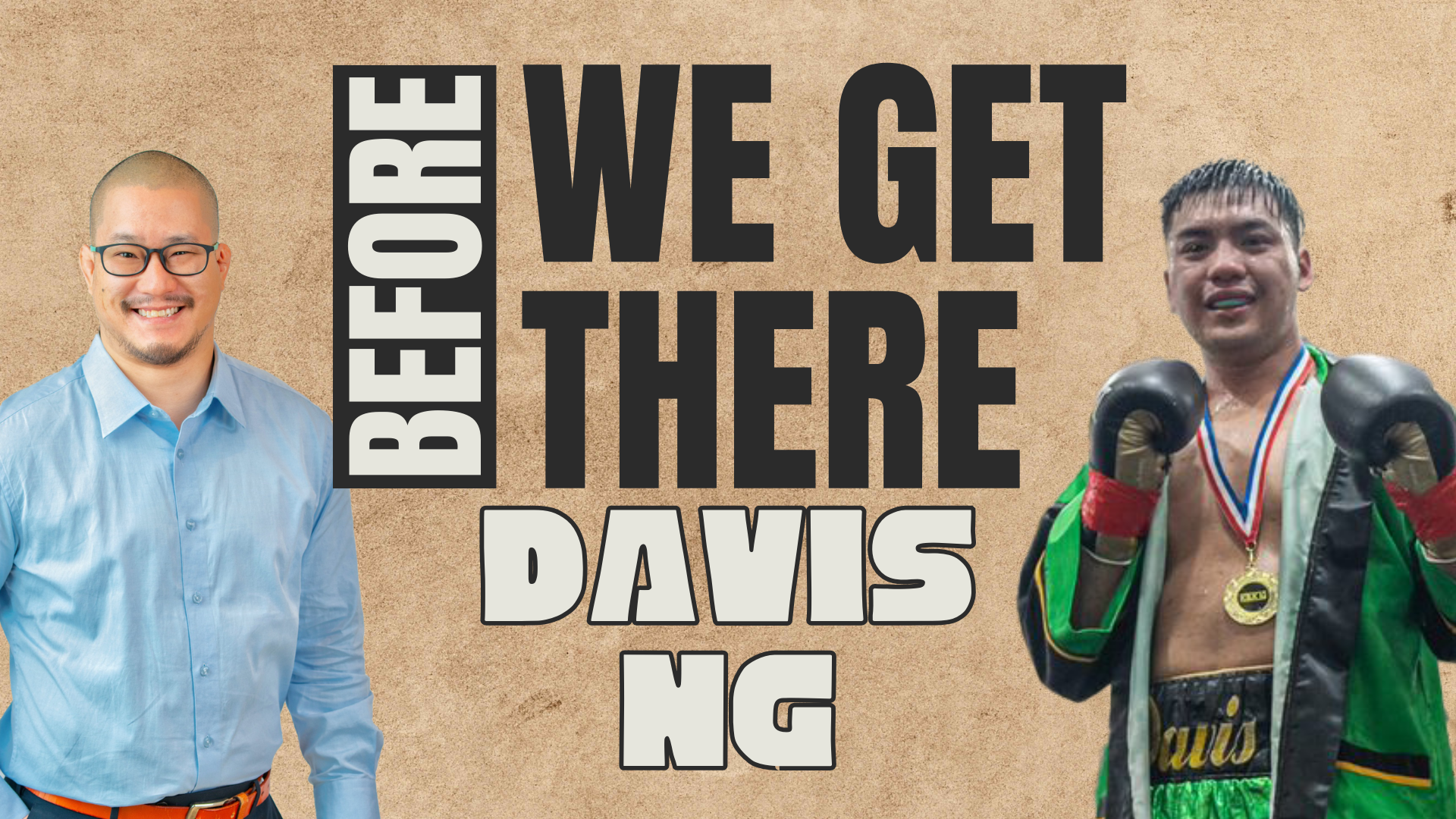
Davis Ng is a professional boxer, chef, and founder of Kumari BBQ and BaconKing.sg, Singapore’s first fusion of Texan-style barbecue and Japanese flavors. He’s also the WBC Asia Silver Middleweight Champion, a title earned after more than a decade of balancing two worlds — the intensity of professional fighting and the discipline of culinary craftsmanship.
In this episode, we talk about Davis’s journey from culinary school to the boxing ring, how a backyard bacon experiment became a thriving business, and the lessons he’s learned from pressure, loss, and persistence. From cooking brisket for 12 hours to cutting weight for a fight, Davis’s story is about grit, focus, and staying true to your craft.
Story Highlights
Starting boxing at 15 and training under the same coach for 11 years
Winning the WBC Asia Silver Middleweight Championship
How a class on curing meats led to his first business, BaconKing.sg
Turning a backyard hobby into a full-fledged smokehouse
Balancing entrepreneurship, family, and competition
Quote
“Things like that in professional boxing happen. Yeah, so you just gotta take it and move on and be stronger.”
About Davis Ng
Davis Ng is a Singaporean professional boxer and chef, best known as the founder of Kumari BBQ and BaconKing.sg, which combine Texas-style barbecue with Japanese flavors. A graduate of the Culinary Institute of America (Singapore), Davis trained at LeRoy and Lewis Barbecue in Austin, Texas, before returning home to start his own concept. Alongside his culinary career, he has competed in over 40 boxing matches, earning the WBC Asia Silver Middleweight title.
Why This Conversation Matters
Davis’s story captures what it means to balance extremes — sport and business, intensity and patience, risk and reward. His evolution from student to champion and from chef to entrepreneur shows that mastery often comes through trial and error. It’s about staying adaptable while pursuing excellence in any craft.
Turning Points
What began as a culinary school experiment with bacon turned into a home business that grew faster than expected. As orders piled up, Davis turned his passion into a brand — BaconKing.sg — and later expanded into Kumari BBQ, a dine-in smokehouse fusing Texas techniques with Japanese ingredients. At the same time, he continued to train and compete, juggling long nights at the smoker with early morning sparring sessions. Winning the WBC Asia Silver Middleweight Championship marked not just a personal milestone but proof of his philosophy: keep showing up, no matter how hard it gets.
Key Lessons
Discipline is universal. The same focus that wins fights can build businesses.
Failure teaches faster than success. Every loss becomes data for the next round.
Authenticity connects. Craftsmanship and heart always show through.
Support systems matter. Family and friends make big dreams possible.
Adaptation keeps you alive. Whether in sport or business, you evolve or you stall.
Michael Thompson is a UX and game designer turned educator who has worked on some of the world’s biggest titles, including FIFA, NBA Live, and Need for Speed. After nearly two decades in the video game industry, he transitioned into teaching, helping the next generation of designers learn how to create meaningful, immersive experiences.
In this conversation, Michael shares how he went from growing up on Vancouver Island to working at Electronic Arts and Ubisoft, the creative highs and burnout that come with game development, and how Brazilian Jiu-Jitsu became his lifelong anchor. We talk about creativity, perseverance, and what both games and martial arts can teach us about learning, ego, and endurance.
Story Highlights
Moving from Vancouver Island to Singapore to join Electronic Arts
The reality behind “dream jobs” in the gaming industry
Working on major franchises like FIFA, NBA Live, and Need for Speed
The challenges of creative burnout and career transition
What 20 years of Jiu-Jitsu taught him about persistence and humility
Quote
“If anything, Jiu-Jitsu has taught me it’s just perseverance. You keep going in any endeavor, whether it’s a career-based endeavor or something in your life. Most people, most of the time, will quit. If you just keep going, you’re going to be the successful one at the end.”
About Michael Thompson
Michael Thompson is a Canadian UX and game designer, educator, and Brazilian Jiu-Jitsu black belt based in Singapore. Over his career, he has held senior roles at Electronic Arts and Ubisoft, contributing to global franchises such as FIFA Online, NBA Live, and Ghost Recon Phantoms. Today, he teaches at DigiPen Institute of Technology in Singapore, where he trains aspiring designers to combine technical skill with creative empathy. Outside the classroom, he continues to train and teach Brazilian Jiu-Jitsu at FAMA and SG Grappling.
Why This Conversation Matters
Michael’s story bridges two worlds — the creativity of game design and the discipline of martial arts. His reflections on failure, teaching, and consistency reveal how mastery is built over time, not through talent alone. Whether in art, sport, or life, his message is simple: stay curious, keep showing up, and never stop learning.
Turning Points
After more than 15 years in the games industry, Michael hit a wall. The long hours, intense deadlines, and constant creative churn had taken their toll. He decided to pivot to teaching, first at Singapore Polytechnic and later at DigiPen. In parallel, he deepened his commitment to Jiu-Jitsu — a practice that taught him patience, humility, and resilience. His journey from “dream job” to meaningful work reflects how success can evolve from ambition to impact.
Key Lessons
Dream jobs have trade-offs. Passion doesn’t erase pressure.
Persistence beats talent. Keep showing up — that’s how you get better.
Creativity is discipline. The best ideas come from consistency, not chaos.
Teaching gives perspective. Sharing knowledge sharpens your own craft.
Movement is meditation. Physical practice grounds the mind.
Mathew Yuhico is a video producer, visual storyteller, and creative all-rounder whose journey has taken him from the Philippines to Singapore — from designing corporate campaigns to producing stories for VICE. Along the way, he’s learned what it means to build a creative career, navigate burnout, and rediscover joy in making things for their own sake.
In this episode, we talk about how Mathew moved from graphic design to video production, how a rap video landed him a job at VICE during the pandemic, and why Brazilian Jiu-Jitsu has become his anchor outside of work. It’s a conversation about creativity, courage, and finding meaning in the process, not the outcome.
Story Highlights
Growing up in a creative family and discovering art through his mother
Transitioning from business school to visual design and storytelling
Making a viral rap video that got him hired by VICE
How burnout changed his relationship with creativity
What Jiu-Jitsu and filmmaking have in common
Quote
“If anything, Jiu-Jitsu has taught me it’s just perseverance. You keep going in any endeavor, whether it’s a career-based endeavor or something in your life. Most people, most of the time, will quit. If you just keep going, you’re going to be the successful one at the end.”
About Mathew Yuhico
Mathew Yuhico is a Singapore-based video producer, content creator, and storyteller. Originally from Manila, he studied at Singapore Management University before beginning his career in PR and design. His creative path led him to VICE, where his innovative approach to visual storytelling helped shape their digital and social content. Outside of media, he’s a dedicated Brazilian Jiu-Jitsu practitioner and continues to create personal films exploring emotion, mental health, and everyday life.
Why This Conversation Matters
Mathew’s story is about following creative instincts even when the path isn’t clear. From rejection to reinvention, his journey reminds us that growth doesn’t always mean climbing a ladder — sometimes it’s about rediscovering joy in what you do, making things for yourself, and learning to embrace imperfection.
Turning Points
After starting in business school, Mathew realized his true interests lay in design and visual storytelling. He built a small portfolio through freelance projects and eventually transitioned into video. During the pandemic, after losing his job and a planned move to film school, he took a bold risk — submitting a rap video as his job application to VICE. That video went viral, earning him the role that would change his career. Today, whether he’s filming, training Jiu-Jitsu, or creating short pieces about life, Mathew continues to chase meaning through creativity, not metrics.
Key Lessons
Do it for the joy. Not every project needs to be a career move.
Make time for what feeds you. Creativity needs space, not just deadlines.
Start before you’re ready. You can figure it out as you go.
Perseverance outlasts talent. Keep showing up — that’s what matters most.
Let yourself evolve. What fulfills you at 25 may change by 30.
I’ve lived outside of my home country, the US, for 14 years, most of my adult life. During that time I’ve traveled across the world, but have only really settled down in two countries, China and Singapore. It has been an amazing experience, and I wouldn’t change it for anything, I’ve found that when you live overseas you discover far more about yourself than when you live where you grew up. It’s obvious that there are many insights and understandings that really only come from having built a new life in another country that you don’t get by just visiting there, but today I want to focus on what you will learn about yourself and how that can help understand the way you are better. I highly recommend anyone who has the chance to spend time living in another country to do so and reflect on how it affects your understanding of yourself. Here are the biggest things I’ve learned.
Who is really important to you
We all know that as we get older, with more responsibilities, jobs, kids, hobbies, and other commitments, we find it harder to maintain friendships. This is magnified tenfold when you live across continents from your close friends and may only go back to visit once every few years. With technology today, there are plenty of ways to keep in touch; social media, facetime, etc. But with the time differences and everyone’s busy lives. I soon started to see which relationships had effort being put in from both sides to maintain the relationship. And honestly, that list is way smaller than I would have expected.
Sure, I have buddies who I can go years without seeing, and when we finally meet we fall back into our old habits and interactions easily, but are these people really important to me if we don’t talk much in between? I’m beginning to think not. On the other hand, I’ve reconnected with people from many years ago who I was never that close to begin with, but because our life paths and stages are similar we really connect on a different level and have begun a whole new chapter in our friendships.
Of course, another aspect is family. I think this is a big concern for many people, especially if your parents are getting older, or your siblings and cousins would like to be a part of your kids’ lives. For me personally, I’ve begun to see that the family I’m building now are the ones who really matter. Would it be different if I lived closer to my Dad, maybe? But maybe I would also have the same kind of relationship I have with him now, just from a few hour’s drive away instead of across the world. I certainly hope to fly him out to Singapore in the next year or two so he can meet my daughter and see the beautiful country I live in and the life I’ve built with my wife.
Small 4th of July celebration in Singapore in 2019 — Photo by Nicholas Braman
What traditions matter
Having lived in countries as different from America as China and Singapore I have to put in extra effort to keep those traditions alive that I grew up with. And I’ve found the ones that aren’t really important tend to fall by the wayside. I still cook a big meal every Thanksgiving, wrap presents at Christmas, watch patriotic movies and eat BBQ on the 4th of July. But that’s about it. All those other holidays and family traditions I grew up with have slipped away. But the great thing is that I’m building new traditions with my own family in my new country now, that are every bit as meaningful as what I grew up with.
As a kid, my family had two traditions that were my absolute favorite. The first was a camping trip to the ocean for Labor Day, we would pack up the car and drive 3 hours to the coast before setting up the tents and settling in for a long weekend of walks on the beach, smores by the campfire, and Yahtzee games by lantern light. The second was the yearly trip to a bed & breakfast in the mountains starting the day after Christmas. Not only were the giant pancake breakfasts, sledding and hot-tubbing, and walks through the snowy town all highlights. But the best part was that all the presents we opened on Christmas were brand new to us again when we got home from the trip, so it was almost like having two Christmases! And while these remain some of my favorite childhood memories, even if I lived in the same place I grew up, would I want to be doing the exact same things with my kids for the next 20 years? I think it is more important to have this kind of family tradition and yearly activity to look forward to than the exact activity itself.
As far as holidays go, some of the holidays like Easter, Labour Day, and Halloween barely register on my calendar these days. Each of the countries I’ve lived in have its own holidays that are super fun to get to know and celebrate with new friends. My favorite is probably Chinese New Year in Singapore when you get together with friends and have a huge meal with a special “Yu Sheng” dish that is ceremoniously tossed in the air by all for good luck in the new year. China has its own way of celebrating the new year, which heavily leans on setting off loud fireworks for 7 nights in a row, which I’m not such a big fan of.
Yu Sheng tossing in Singapore 2020 — Photo by Nicholas Braman
How open you are to new experiences
Singapore and China are very different in terms of how easy it is to get to know locals as a foreigner. In China, the English level is quite low, while in Singapore it is their native language. But even so, in both countries, I have seen a large percentage of foreigners who stick to their own “expat bubble” and never integrate into the local society. Honestly, it happens to immigrants to the US as well, and I think anyone who behaves like this is missing out. Plenty of people say that they love to travel and experience new things, but if you live in one of the food capitals of Asia and are still eating pizza and burgers 4 nights a week, only friends with people who look like you, and still participating in the same hobbies as before, I think you are kidding yourself.
Now I’m not saying you have to go all-in and adopt every local custom, look down on other foreigners, or never enjoy the wonder that is an egg McMuffin. I also am not talking about hiking up volcanoes in The Philippines, going to a Full Moon Party in Thailand, or scuba diving in Malaysia, those are awesome experiences to have and of course, you would want to. The kind of experiences I am talking about are the more mundane but embody the local culture and lifestyle. Sitting at a kopi shop dipping kaya toast in soft-boiled eggs, having a satay party at a friend’s rooftop, playing blackjack for 2 dollar bills around Chinese New Year, or listening to a concert in the park.
These are the kind of experiences that will someday define your memories of what it was like to live in a foreign land, not the once or twice you went to the best restaurant in the city or attended the F1 race. In China, one of these experiences for me was commuting by electric bike to work, about 40 minutes away on a good day. Each morning I packed my bag, put on my helmet, hopped on the bike, and zipped my way halfway across the city to the school I was teaching at. While gliding along the busy streets full of other riders, pedestrians, food hawkers, traffic police, and taxies; I was just one of the the millions of locals rushing to work in Shanghai.
My apartment in Shanghai in 2005 — Photo by Nicholas Braman
Whether you are really comfortable with yourself
No matter how many friends you make or how well you ingrain yourself into the local society, there will still be times you feel lonely. It may not even by a physical loneliness where you miss the company of other people. Rather, what I’ve felt at times is the loneliness of experience, missing cultural references, or commonalities of childhood. And the worst part is that it isn’t any better when you go home to visit, if you’ve been away for a long time, you’re likely to encounter reverse culture shock, which is very off-putting the first time you experience it. Now this isn’t an everyday occurrence, but you may feel this sense of loneliness come over you once in a while, and how comfortable you are with yourself will determine how much it affects you and how soon you are able to get over it.
Your comfort with yourself will also affect how much the experience of living in a new country changes who you are. I think you have to be comfortable enough with yourself to embrace the new life and culture you find yourself in, while still retaining your core principles, personality, and values. I’m sure you’ve seen some people who get a new boyfriend or girlfriend and completely change their life to what that person wants, it’s the same thing, but on a broader level. I still get comments on how people can feel my “Americanness” coming through in my personality and communication style, but I’ve also adapted enough to work and do business in Asia successfully.
So looking back, these are the things I’ve learned the most about myself by living overseas, and I think you will feel the same. If you get the chance to move to a new country, take it! There’s no better way to experience a new life and learn more about yourself along the way.
I’ve lived in Singapore for almost 9 years now, and although when I first moved here I didn’t really expect to stay this long, I now am proud to call it home. Everyone hears that Singapore is clean, modern, safe, and has lots of good food, but I thought it would be fun to share this list of lesser-known things that make me love living here.
1. The Nature
This first item may come as a surprise since Singapore is a giant city on a small island with very few natural resources. And while it is true you can’t drive for days through the wilderness, what Singapore has done with what’s available is amazing. There are fantastic parks and trails spread across the island, and you are never too far from somewhere you can go and breathe in some fresh air and take a break from the hustle and bustle of the city. I’ve been lucky enough to live near one of the biggest parks, Bukit Timah Hill for the past 3 years, and I love walking through the jungle as much as possible. After walking 10 minutes you feel like you could easily be on a sparsely populated island without any people for miles.
2. Ease of walking
Singapore is known for its convenient public transport, which is truly amazing. But it is also fantastic that as they have built up the infrastructure they have kept it safe and easy for pedestrians to get around the city. There are sheltered walkways almost everywhere, so you can stay dry in the frequent tropical storms, and overhead bridges mean that crossing roadways is safer and keeps traffic moving. The sidewalks are also in great shape without holes and broken pavement or tree roots sticking out which are common in other big cities. Another great feature is the underground connectors in busy areas like Orchard and City Hall, you can walk for several blocks and come out in a different mall without ever going above ground.
3. Heartland neighborhoods
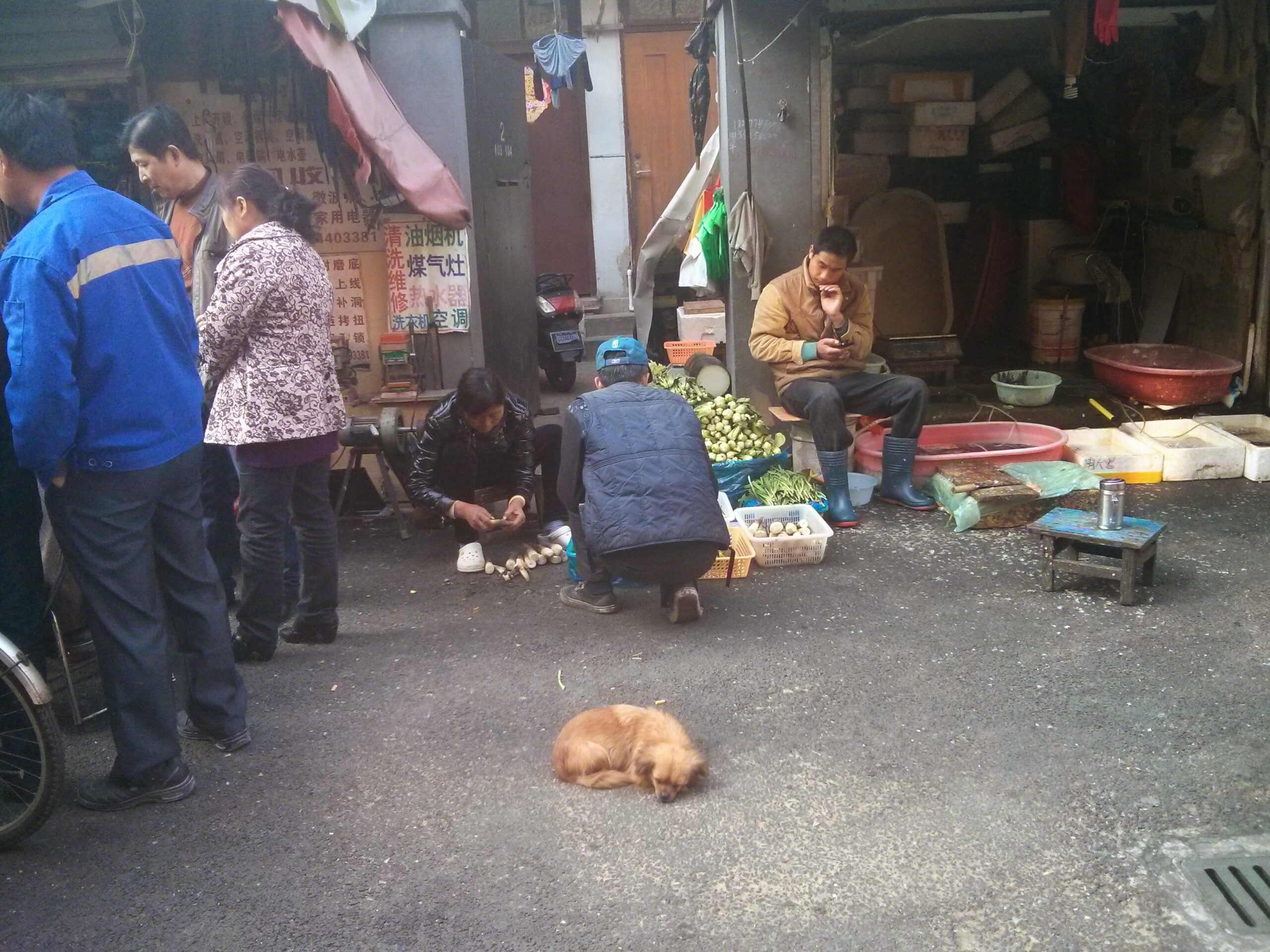
For all the modern skyscrapers and cool architecture (like MBS and Esplanade) in the CBD, you can really get to know Singapore and the locals in the “suburbs” what they call they the Heartlands here. From the small coffeeshops with uncles sipping their kopi, laundry hanging on poles, cats and chickens wandering around, small mom-and-pop stores where neighborhood kids go to buy Milo and Pokka tea after school, to the aunties pushing their small carts full of groceries from the wet market; this is the closest I’ll ever get to the old “kampongs” and how Singaporeans grew up in the 70’s and 80’s. If you live downtown and only venture out to go to Pulau Ubin or the Zoo, you’ll be missing a lot of the “real” Singapore.
Shophouses contrasted by a modern apartment skyscraper — Photo by Nicholas Braman
4. Preserved buildings
I love the shophouse aesthetic and the fact that Sinagpore has kept this style of building throughout the city. Originally these were built as shops where the family could run their business on the ground floor, and have their living quarters above. But now there are many that are fully for commercial use with things like gyms, restaurants and bars, preschools, hairdressers and all kinds of other businesses on the upper floors. There are plenty of cities around the world with preserved architecture and monuments, but what I really like is that these buildings are still being used and are part of the living fabric of the city, not just closed off to look at.
5. Local’s dedication to fitness
One of the first things I noticed after moving to Singapore was how busy the streets and parks are in the evenings with people jogging, walking, cycling and other forms of exercise. All the parks have gym equipment built in that is mostly for older people to do simple exercises, but you’ll see plenty of young people using the equipment for pushups, pullups, and ab workouts as well. There are also a very high number of gyms per capita here compared to what I was used to, and the gyms are usually super nice with showers, towel service and all kinds of other amenities. There is also a huge range of price points to fit everyone’s budget, from the almost free government-sponsored gyms to high-end personal training boutiques that cost a couple of hundred dollars per session. You can really see how much Singaporeans care about fitness when you walk around, with almost everyone looking healthy and fit.
6. Singaporean pride
This is a bit of a funny one coming from an American. But I feel that Singaporean pride is very different than the nationalism of some other countries. And Singaporeans certainly deserve to be proud of the country’s success and what they have built in the last 60 or so years. I think the pride here is less toxic than in other countries because there are no delusions of world domination or racial/cultural superiority. Singapore has been pragmatic and made with the guidance of its leaders, especially Lee Kwan Yew, has made a place for itself in the global order where they are punching far above their weight. Sure there are some issues with xenophobia like in all countries, but for the most part the Singaporeans I’ve seen have a healthy pride for their country, and rightly so.
Singapore CBD lit up in red for National Day — Photo by Nicholas Braman
7. Friendliness
Some people may disagree with me on this point. Singapore is not known for being a friendly country like Thailand, and it is a common trope that people don’t talk to each other in elevators or on the street like in some Western countries. However, I have found people to be more friendly than expected, and also happy to help if you ask. I grew up in Washington State, which is known for the “Seattle Freeze”, where people are friendly to your face, but don’t ever really let you into a deep friendship. I don’t feel there is any of that here, and although it can sometimes be difficult because Singaporeans have so many friends from different phases and areas of their lives. I have made lots of great friendships, and when people say they want to hang out, they actually follow through with it!
8. Worldliness of locals
This is a huge contrast from growing up in the US where many people don’t even have their passports, or if they do have only gone to Mexico. Singaporeans are extremely well-traveled and knowledgeable about the world in general. I have lots of friends who have done really cool trips like hiking in the Alps or Hindu Kush, road-tripping around Australia, or visiting many of the American national parks. That’s in addition to the standard sightseeing, eating and shopping trips to nearby locales like Thailand, Korea, and Japan. This makes a big difference in everyday life, the kinds of conversations you have with friends, and makes for a more well-rounded and open-minded society.
I hope you’ve enjoyed this list of surprising things I love about living in Singapore! Of course, all the things Singapore is well-known for are amazing too, especially the food. But it is small things like these that have made me settle down here and look forward to raising my daughter in this amazing country.