Intro
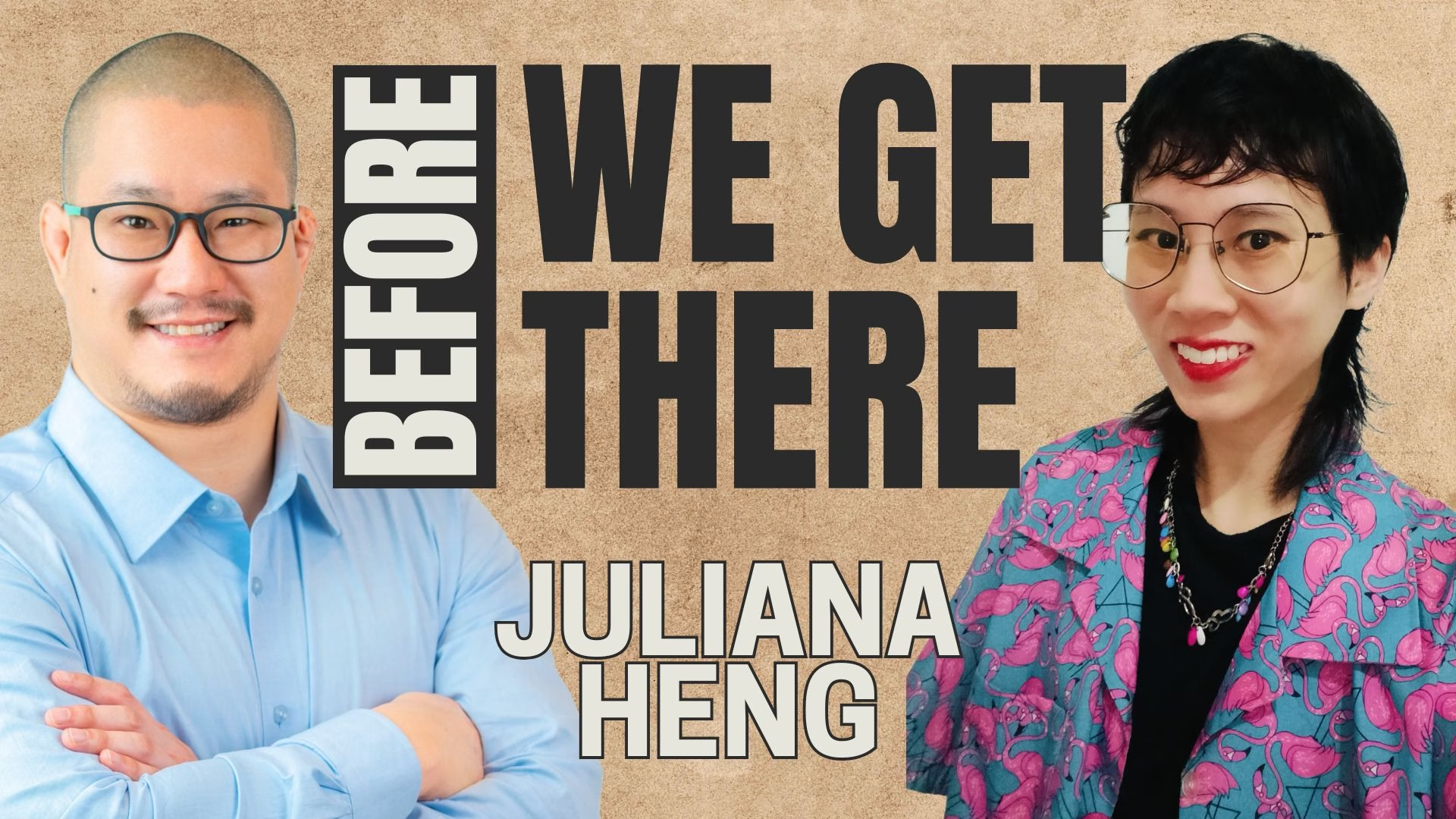
Juliana Heng left a stable career in accounting to become a stand-up comedian, and somewhere along the way, the stage became the place they figured out who they actually were.
In this episode, we explore what happens when a career pivot uncovers parts of yourself you have spent years keeping quiet. Juliana walks us through the terrifying experience of leaving the safe path, bombing on stage during the early days of their comedy career in Malaysia, and dealing with critics who told them they didn’t belong. We get into the difficult choices they made to ignore the “easy road” of family expectations, how they incorporated their autism and neurodivergent experiences into their act, and the journey of navigating queerness and gender identity in the public eye. This is a conversation about the courage it takes to venture into the unknown and the price you pay for living authentically.
Story Highlights
- Leaving behind a stable and traditional career in accounting to face the uncertainty of stand-up comedy in Malaysia.
- Using the stage to surface hidden parts of their identity, openly sharing their autism diagnosis and neurodivergent experiences with audiences.
- Exploring queerness and the journey to self-acceptance while navigating a culture that often expects conformity.
- Enduring the brutal early days of comedy, including bombing frequently and facing harsh criticism from peers who said they didn’t deserve to be on stage.
- The emotional cost of being true to yourself when the people closest to you—like family—want a different, safer version of your life.
- Redefining success away from monetary value to focus entirely on health, happiness, and finding spaces where they are fully embraced.
Quote
“There are two choice I have. One, to take the easy road is to actually just listen to what your mom say. The second route is to actually venture out, figuring out who you are, and then there’s a lot of unknown, and it’s actually much scarier.”
About Juliana Heng
Juliana Heng is a stand-up comedian and former accountant from Malaysia who uses the stage to explore identity, authenticity, queerness, and life on the autism spectrum. By stepping away from the corporate world, Juliana embraced the challenging path of live performance to figure out who they truly are. They are a passionate advocate for neurodivergence, LGBTQ+ visibility, and living a life centered on mental and physical health and unapologetic self-acceptance. You can find their quirky and authentic content on Instagram under the handle @mxjulianaheng.
Why This Conversation Matters
Juliana’s story goes far beyond a standard career pivot; it is a raw look at self-discovery through art. Choosing a path filled with unknowns and enduring harsh early criticism requires immense courage, especially when navigating the intersections of autism and queerness in a traditional society. For anyone who feels trapped by conventional expectations, or is afraid to share their true self with the world, Juliana’s journey is a powerful reminder that authenticity, though difficult and scary, is ultimately worth the cost.
Turning Points
- Making the decision to leave the safe, prescribed route of accounting to try stand-up comedy.
- Pushing through the terrible early shows and negative feedback from fellow comedians instead of giving up.
- Realizing that true fulfillment required abandoning traditional societal checklists in favor of prioritizing personal wellness, neurodivergent needs, and queer acceptance.
Key Lessons
- Taking the easy road often means ignoring who you really are; venturing into the unknown is scarier but necessary for self-discovery.
- Owning your neurodivergent and queer identity on a public platform can be terrifying, but it also creates the space you need to truly thrive.
- Failure and criticism are inevitable when you start something new, but they do not define your worth or your right to take up space.
- Success shouldn’t be defined by external metrics or financial value, but by whether your life makes you happy, healthy, and allows you to be embraced for who you are.
If You Enjoyed This Episode
You might also like: