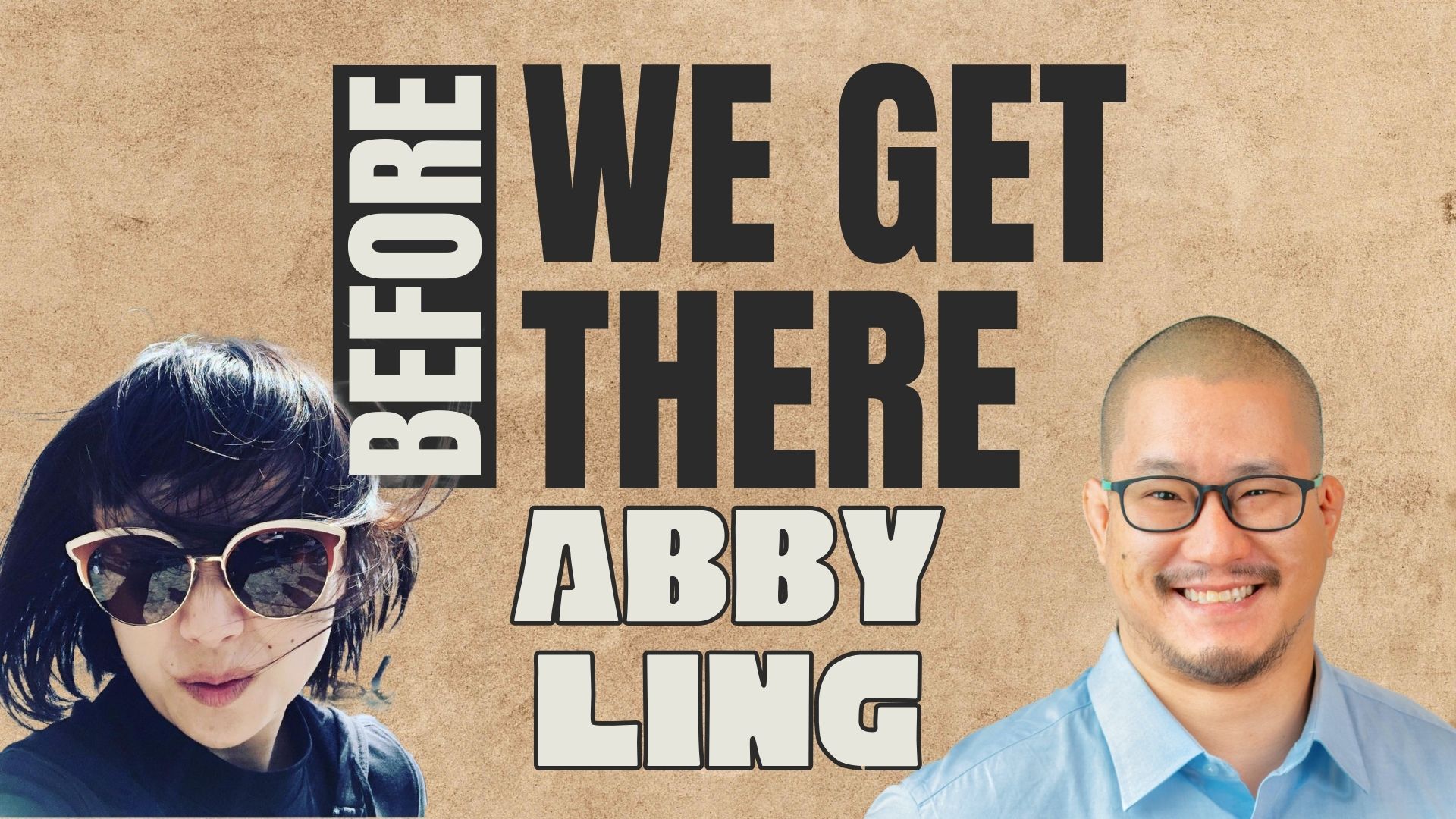
Abby Ling is a marketing leader and community builder who currently heads the Singapore branch of a fast-growing international agency. With a career that spans global brands like Meta, Ogilvy, and McCann, Abby has navigated career pivots, parenthood, and leadership while staying deeply connected to her community through her volunteer work with TEDxSingapore and the People’s Association.
In this episode, we talk about how Abby built her career after moving from Beijing to Singapore, what she’s learned about networking, and how she defines work-life integration as a working mother. She shares candid lessons about career breaks, leadership, and why she believes success comes from knowing what season of life you’re in.
Story Highlights
Moving from Beijing to Singapore and rebuilding her career
How volunteering with TEDxSingapore shaped her network and perspective
Navigating long job searches and learning to stay patient
Her approach to leadership, hiring, and mentoring young marketers
Why she sees “work-life balance” as “integration,” not perfection
Quote
“There isn’t any work-life balance. I never call it balance because you cannot get everything you want. I think it’s integration. You have to choose a lifestyle, and then convince people what you’re doing is important to you and how they can support you.”
About Abby Ling
Abby Ling is an experienced marketing professional and agency leader with over 15 years of experience across international brands and markets. She currently leads the Singapore branch of a regional marketing agency, overseeing teams and campaigns across Asia. Beyond her professional work, Abby is an active volunteer with TEDxSingapore and the People’s Association, contributing to events that bridge creativity, storytelling, and community.
Why This Conversation Matters
Abby’s story is about ambition grounded in purpose. Her honesty about motherhood, leadership, and burnout offers a realistic look at what it means to pursue growth while staying human. She reminds us that career success doesn’t have to mean constant hustle — it can also mean clarity, boundaries, and meaningful relationships.
Turning Points
Abby’s first major transition came when she moved to Singapore and spent almost a year searching for the right job. Later, after having her daughter, she took a 14-month career break to prioritize family — a decision that gave her perspective on what she truly wanted from work. Returning to marketing, she focused on roles that aligned with her values: collaboration, mentorship, and impact. Today, she continues to lead by example, advocating for women in leadership and redefining what a sustainable career looks like.
Key Lessons
Work-life balance is a myth. Integration and planning create sustainability.
Community builds opportunity. Giving your time often brings more back than expected.
Be intentional with choices. The wrong role can slow long-term growth.
Support matters. Success at work starts with help at home.
Representation inspires. Visibility helps the next generation believe they can too.
My entire career I’ve been told that networking is a key to success both for business and future job opportunities. As someone who leans towards the introverted side, talking to new people for the first time is never easy, but I’ve forced myself to attend many meetups and cocktail sessions over the years. I did the work, joining little groups of strangers clutching their drinks and explaining what their company does while looking over their shoulders for the next hors d’oeuvre tray before one by one, making excuses and stepping away to check their phones. It definitely could be due to my lack of skill in this area, but I can honestly say I’ve never made a connection that benefited either of us at this type of session. Sure, there are a few people I still follow on social media but no one I developed a real relationship with.
There are plenty of articles, books, and videos with advice on how to network, but today I thought I’d share with you what has worked for me instead of these superficial networking events, and how I’ve built a strong network through my everyday work and life, without the need to go out of my way to networking events, social clubs, and mixer events. Of course, if you thrive at those kinds of events, then, by all means, go for it. But if you are more like me and would rather do almost anything else, these tips might help you!
Be respectful to everyone
I’ve seen too many people fall into the trap of acting condescending or better than people because they are “above” them or they are in the position of being a customer. Of course, this should be a given in your personal life as well, whether you are talking to a service worker, cleaner, server, or anyone else. But it really matters when you are working with people in a business setting. You never know when you could need someone’s help, and it will make your day-to-day work with them smoother as well. I found this out in a big way recently when going through a tough time in my career and got some of the strongest support coming from people outside my organization who I worked with closely and had developed relationships with.
Deliver great work
This one should be a given, but sometimes it’s easy to slide by with only doing the minimum to make your boss or customers happy. That may be enough to keep you from being fired, but it certainly isn’t the right way to build your personal brand and encourage others to want to work with you again in the future. Everyone has parts of their jobs they don’t like, or work that they don’t feel is as valuable compared to their passion projects. But it isn’t that hard to stand out and make a lasting impression on people by delivering great work consistently.
The most recent example of this that comes to mind is when I was working with a technical person in my company on a series of virtual events. My boss was heavily involved in the planning and had some very strong opinions on what the content should be, as did the presenter themself. It would have been easy for me to take a step back and let them work it out without putting much effort into it myself. But I took the opportunity to have deeper discussions with both of them and really understand where they were coming from and then help reach compromises that met both of their concerns and priorities. Not only did this improve my relationship with both of them, but it also helped me get a much deeper understanding of the subject matter, which helped me do my job better in other ways. After this period, that presenter became close to me both at work and in our personal lives and we continue to support each other.
Take a personal interest in the people you work with
I’ve seen a lot of advice that is the opposite of this, keep your work and your personal life separate, don’t overshare, colleagues are not your real friends, etc. But I wholeheartedly disagree with this. Of course, you shouldn’t be the person who is always talking badly about your spouse, or any other negative or unprofessional info. But sharing your personality and about your life, and more importantly asking them about theirs helps to build a real relationship that can outlast the time you work together. When people find out you have shared interests or hobbies, kids of similar ages, lived in the same place, or other personal details, it makes your connection stronger. These are the people who will want to help you further down the road someday when you need it.
Be a strong collaborator
Remember in school when you had a group project and there was always someone who didn’t do their share of the work, but still took credit in the end? Don’t be that person in your professional life either. I made this kind of mistake at one point early in my career by being a bit difficult to work with, I didn’t think other people were putting in the effort and so I retaliated in kind. This just made people even more perfunctory when working with me and not only made my job even harder but gave me a reputation for having a bit of an attitude as well. Of course, everyone should have boundaries and not be a pushover, but there is a lot of room in between. Luckily I learned my lesson and have developed a great reputation for collaboration after that.
There are always little things you can do to make things a bit easier for the people you work with, whether that is clearer communication, being timely in your responses, or going above and beyond to help with something you are good at. In many of my previous roles, I went out of my way to help other teams with marketing-adjacent activities like team-building, employee resource groups, making recruitment videos for HR, etc. All of these were outside of my scope of work and I did them in addition to my own work, but they went a long way in helping me be visible in the organization and build relationships with other colleagues.
Me training jiujitsu, hobbies are a great way to network — Photo from Nicholas Braman
Develop hobbies where you can meet people
One of the best ways I’ve found to build my network has been outside of the work environment completely. I have been practicing Brazillian Jiujitsu and Muay Thai for around 5 years, and have made some of my closest friends from the gym. Not only is it beneficial to have contacts outside your own industry and field, but you will meet people from all walks of life and even people who do similar work to you as well. By developing these relationships while pursuing a hobby together, especially a physically demanding one, or something you are all passionate about, you can really create strong bonds that are much deeper than casual acquaintances.
So there you have it, how to build a network that you can rely on without going out of your way to actually network. Of course, all of these things help you with your personal branding and professional reputation as well. But it has really been highlighted to me recently while going through some tough times how much these small actions over the course of my career have helped to ensure there are people out there who are happy to provide support, just like I would for them! If you’re someone who hates traditional networking activities, but still sees the importance of having a strong network, I hope this post has helped you!