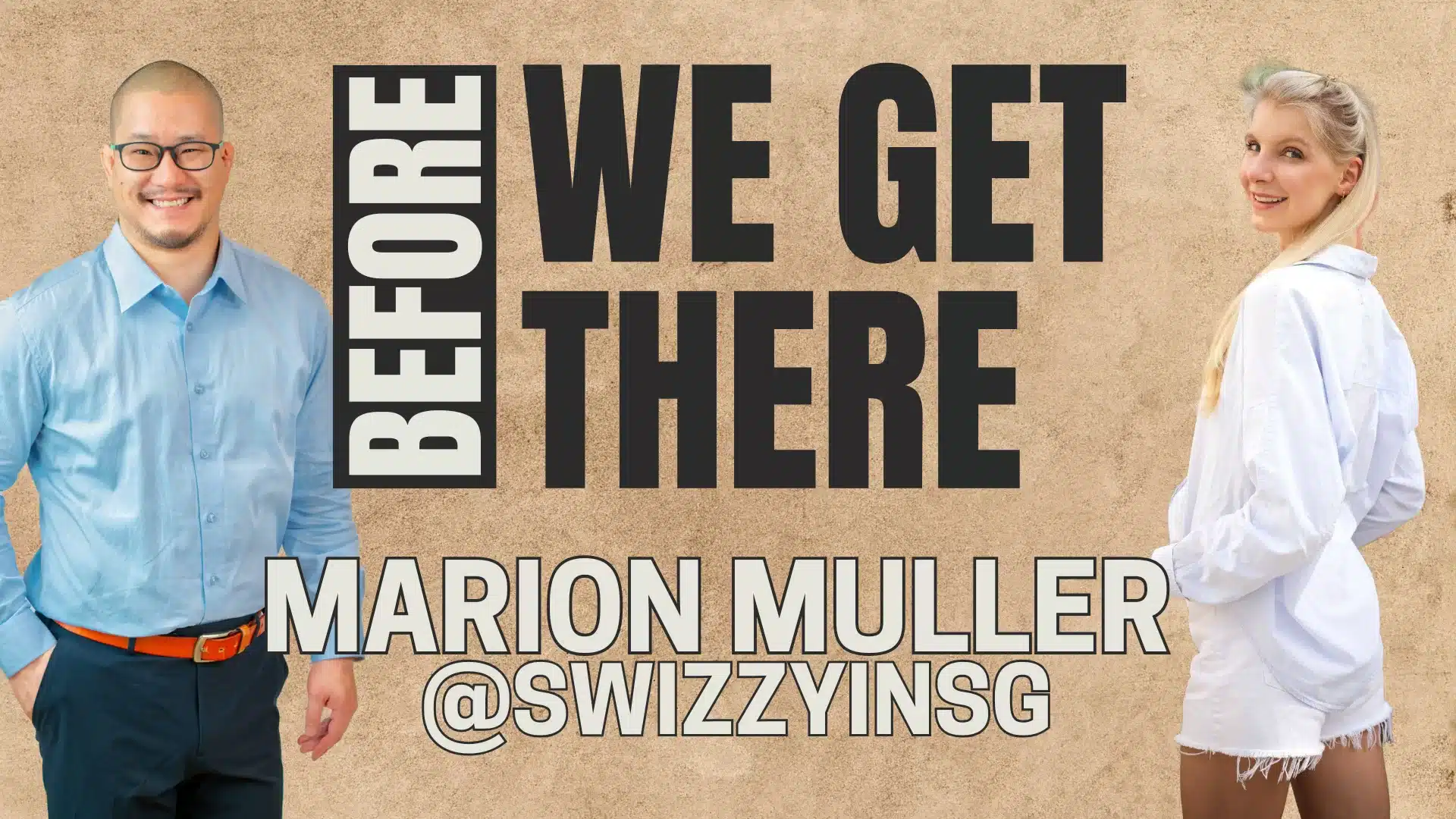
Marion Müller didn’t set out to become a content creator. When her original plans fell through, she found herself in a position many people recognise but rarely talk about — no clear next step, no roadmap, and no certainty that what came next would work.
In this episode, Marion shares how stumbling across a mentorship program became a turning point, pulling her into the world of content creation at a time when she felt she didn’t have many other options. We talk about what it’s like to build something publicly while still figuring things out privately, and the emotional whiplash of gaining visibility alongside criticism.
She opens up about receiving direct messages telling her to kill herself, the mental toll of being your own boss with no off switch, and the quiet longing for structure, clarity, and rest. This is a conversation about being in-between — between careers, identities, and versions of yourself — and learning to keep going anyway.
Story Highlights
Moving to Singapore and immediately feeling at home
Having original career plans fall through
Discovering a content creation mentorship program by chance
Choosing content creation when there didn’t feel like many other options
Navigating identity without a clear professional roadmap
Receiving hateful DMs telling her to kill herself
The emotional cost of being visible online
Wanting the simplicity of having a boss and fixed working hours
Learning what people don’t see behind online “success”
Continuing despite uncertainty and self-doubt
Quote
“Sometimes I honestly just wish I had a boss who tells me what to do, and then I go home by six and rest on the weekend.”
About Marion Müller
Marion Müller, also known as @swizzyinsg, is a content creator based in Singapore. After her initial plans didn’t work out, she pivoted into content creation through a mentorship program, building an online presence while navigating uncertainty, visibility, and criticism. Her story reflects the reality of modern work — where independence, exposure, and instability often coexist.
Why This Conversation Matters
A lot of career stories are told in hindsight, once things make sense. Marion’s story sits in the middle — where decisions are made without guarantees, and confidence comes after action, not before.
This episode speaks to anyone who has had to pivot without feeling ready, who has questioned whether freedom is worth the mental load, or who has quietly wished for something simpler while pushing forward anyway.
Turning Points
When Marion’s original plans fell through, she found herself searching for direction without a clear alternative. Discovering a content creation mentorship program became an unexpected entry point into a new path. As her visibility grew, so did the pressure — including receiving deeply hurtful messages that forced her to confront the emotional risks of putting yourself online. At the same time, being fully self-directed made her realise how much she missed structure, boundaries, and rest. Rather than walking away, Marion chose to stay with the discomfort and continue building, even while questioning what sustainability really looks like.
Key Lessons
Not all pivots are planned
Visibility comes with emotional risk
Freedom without structure can be exhausting
Online success hides invisible labor
Uncertainty doesn’t mean you’re doing it wrong
You can keep going while still questioning the path
I’ve been thinking a lot about the idea of home lately. Not the physical place, but the feeling of it: how it shifts, fades, resurfaces, and sometimes surprises us. After more than a decade and a half of living abroad, the question of what “home” really means has become harder to answer cleanly. The longer I live away from the place I grew up, the more I realise home isn’t fixed. It moves as we move.
After 15 years of living overseas, sometimes I feel like I’m on a permanent trip, and there’s no home to return to. The home I remember is gone, and when I go back, both of us have changed too much for me to belong. I wonder if everyone feels this way. As time passes and we evolve, even if we stay in the same place, are we coming back to the same home?
Nostalgia is a strong seducer, leading us to remember things as better than they really were. We can’t go back to the home we remember, but I’m not sure if we should anyway. The home that shapes our early memories is made up of feelings, tastes, and smells. Sometimes that place is fuzzy in our memory, and other times a single note comes back to us like it was yesterday. On the other hand, the place we call home now is easy to describe and clear in our minds, but we don’t get to decide if the feeling of home comes along with the title.
We all know the phrase, “Home is where the heart is”. On the surface, it’s a nice sentiment, and I agree. I do feel at home when I get back from a trip and hug my daughter, and lie down on my own bed, surrounded by the things I’ve chosen to live in my house with me. And if we had to pack up and move somewhere else, it’s true that as long as I had my family with me, that would be enough. But beyond the embroidered wall art, sometimes it feels like I don’t belong anywhere, and that makes me a bit sad. I’m realizing you can call somewhere home for all the right reasons and still not fully feel it.
On the other hand, there are many times I feel at home wherever I am, living out of a suitcase or in Singapore with friends and family: from riding the local train in Mumbai with my hair blowing in the wind, to downing highballs in an izakaya in Golden Gai with strangers, or sitting on a plastic stool eating at my favorite char kway teow stall in Kuala Lumpur. I feel comfortable, I blend in, I am content. I get spoken to in Mandarin in Singapore and China, Bahasa in Malaysia and Indonesia, Tagalog in the Philippines, and Cantonese in Hong Kong. It may just be because of my pan-Asian face. But it still makes me feel good.
If home isn’t just where the heart is or the house we sleep in, if home is a feeling that we know when we have it but not something we can manufacture, then those stretches of not feeling at home are just proof that we aren’t standing still.
Maybe the feeling of home isn’t supposed to be static. If it were, we might stop moving and searching for places where we feel we belong. Maybe we can’t feel at home for very long because the world keeps spinning, and we can’t just get off at the next stop. Maybe we can learn to feel at home wherever we are. But for now, the desire to feel at home keeps me going, or maybe it’s the other way around.
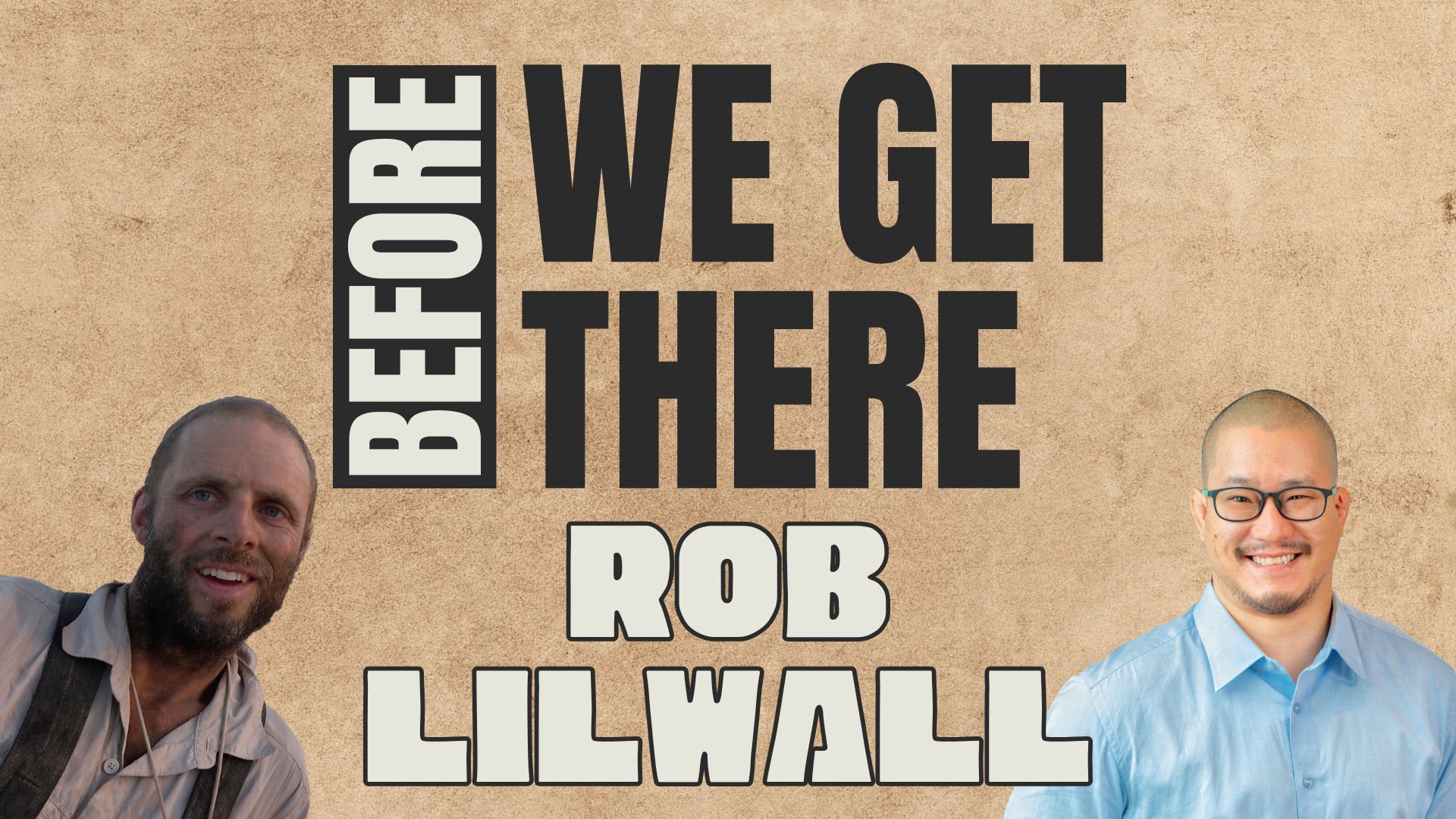
Rob Lilwall is a British-born adventurer, author, and motivational speaker known for his three-year cycling expedition from Siberia to London — a journey that spanned over 50,000 kilometers and reshaped his understanding of fear, resilience, and transformation. He has since walked across deserts, written two books, and spoken to audiences around the world about courage, change, and perseverance.
In this episode, we talk about Rob’s early life as a shy schoolteacher, what led him to take a one-way flight to Siberia, and how adventure became both his career and his classroom. He shares stories from the road — from being robbed in Siberia to camping at minus forty degrees — and the lessons that continue to guide his life as a husband, father, and speaker.
Story Highlights
How a friend’s invitation to “just say yes” changed his life
Why facing fear became the foundation of his growth
What three years of cycling taught him about adaptability
How setbacks turned into the start of a speaking and writing career
The turning point in the Taklamakan Desert that reframed his idea of success
Quote
“When you’re having a really bad day, whether it’s in the office or in the middle of your three-year bike ride and you think, ‘What am I doing? Why don’t I just fly home?’ Never quit on that day, because that’s the wrong day to quit.”
About Rob Lilwall
Rob Lilwall is a professional adventurer, author, and keynote speaker based in Singapore. He has cycled from Siberia to London, walked across China’s Gobi Desert, and trekked the edges of the Taklamakan — expeditions that have been turned into National Geographic TV shows and bestselling books. Today, Rob speaks to corporate and global audiences about adaptability, resilience, and courage in times of change. His TEDx talks and corporate programs have reached audiences across more than 30 countries. Learn more at roblilwall.com.
Why This Conversation Matters
Rob’s story isn’t just about adventure — it’s about learning to keep going when things get hard. Whether navigating subzero nights in Siberia or personal struggles after success, he’s discovered that the greatest growth often comes through failure and persistence. His lessons on resilience and agility apply far beyond expeditions — to careers, relationships, and everyday life.
Turning Points
From teaching in the UK to biking across continents, Rob’s life has been defined by leaps of faith. His decision to say yes to a friend’s challenge led to a journey that changed everything — from his worldview to his work. Later expeditions tested him in different ways, pushing him through burnout, self-doubt, and imposter syndrome. It was only after failing to complete a record-setting desert crossing that he found peace — realizing that life’s value lies not in achievement, but in doing your best every day.
Key Lessons
Never quit on a bad day. Rest, recover, and make decisions with clarity, not exhaustion.
Fear is a teacher. Growth starts where comfort ends.
Resilience and agility go hand in hand. Adaptation is the key to endurance.
Failure can heal. Sometimes we find peace by letting go of the outcome.
Adventure is internal. The hardest journeys are the ones within ourselves.
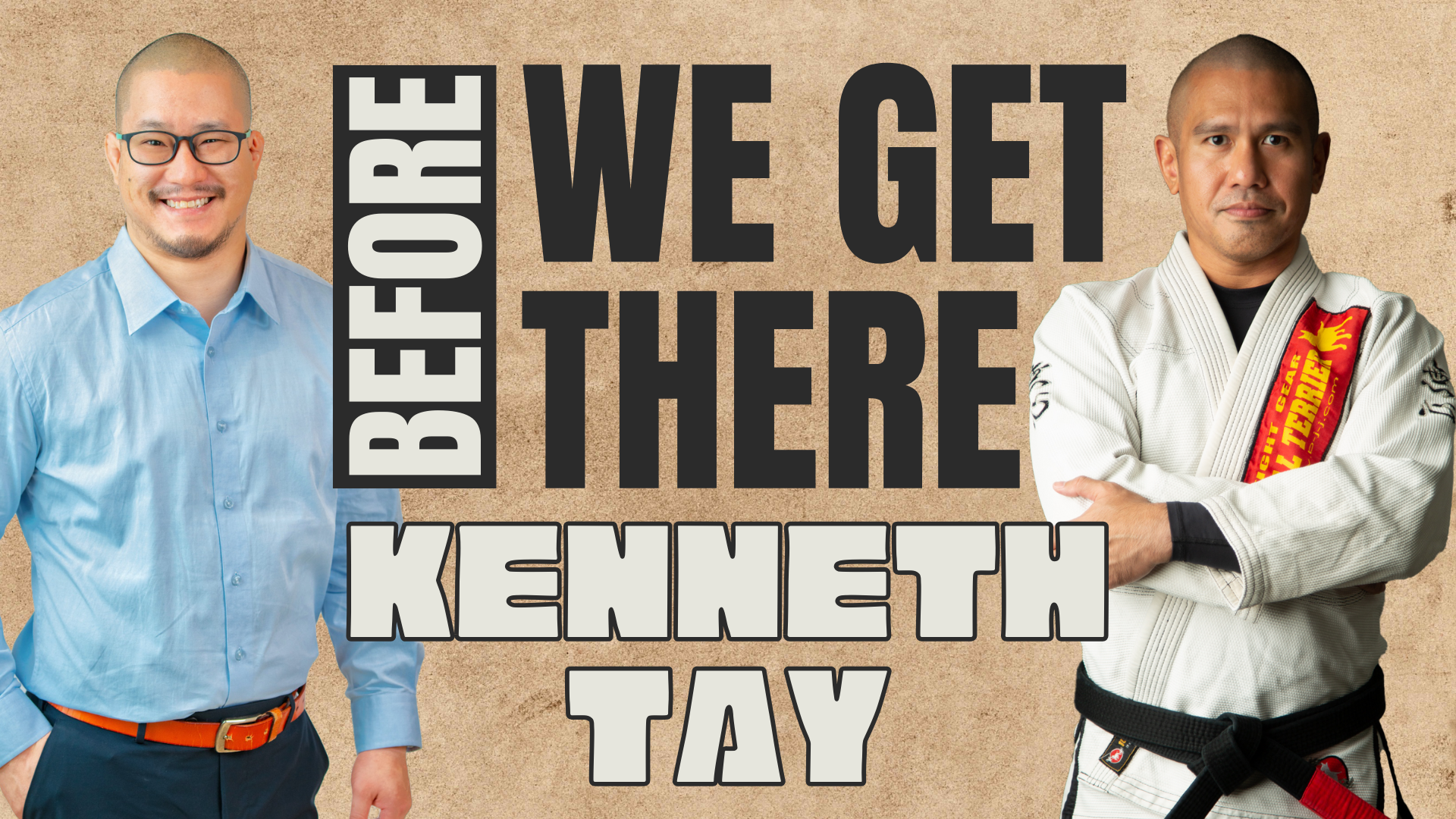
Kenneth Tay is a Brazilian Jiu-Jitsu black belt, coach, and co-founder of Trinity Combat Sports in Suzhou, China. He’s spent the past fifteen years teaching, training, and building communities through martial arts across Asia — from Australia to Shanghai and now Singapore.
In this conversation, we talk about how Kenneth rebuilt his life through sport, the lessons he’s learned from depression and discipline, and what it means to start over when things fall apart. He shares the story of founding Suzhou’s first Jiu-Jitsu gym, why he once worked for free to learn from mentors, and how martial arts taught him that growth is about showing up even when you don’t feel like it.
Story Highlights
Growing up between Singapore, China, and Australia
How depression led him back to sport and structure
Starting Suzhou’s first Jiu-Jitsu gym with a handful of friends and no mats
What running a business in China taught him about loyalty and trust
The decision to coach full-time in Singapore after the pandemic
Quote
“When I was back in Singapore, I happened to be lucky to go to a high school in Singapore which was very strong on sports. And I was always into sports. I was never particularly good at it, but I enjoyed the grind of training and playing sports. And it always kept me grounded and disciplined.”
About Kenneth Tay
Kenneth Tay is a Singaporean martial artist, BJJ black belt, and co-founder of Trinity Combat Sports in Suzhou, China. After years of training and coaching across Asia, he now teaches at Field Assembly in Singapore. Kenneth’s journey from depression to discipline through martial arts has inspired students across two countries. He continues to promote community, mental health, and resilience through Jiu-Jitsu.
Why This Conversation Matters
Kenneth’s story is about more than sport — it’s about rebuilding confidence, structure, and identity through challenge. His journey shows that discipline isn’t punishment, it’s a form of self-respect. From living abroad to starting over, he reminds us that growth comes from the mats, but it applies everywhere else too.
Turning Points
Kenneth’s time in Australia began as freedom but spiraled into burnout and self-doubt. Rediscovering sport became his way out. Starting Muay Thai led him to Jiu-Jitsu — a discipline that became therapy, teacher, and anchor. When he moved to China, he co-founded Suzhou’s first BJJ club, training in borrowed dance studios before building it into a full academy. Later, COVID brought him back to Singapore, where he transitioned into full-time coaching. Through it all, his focus stayed the same: use sport to grow stronger — mentally, physically, and emotionally.
Key Lessons
Discipline heals. Structure provides stability when everything else is uncertain.
Build from the ground up. Great things often start small — even on borrowed mats.
Community sustains growth. Shared purpose turns struggle into support.
Adaptation matters. Every move, every country, every failure refines your focus.
Stay humble. True progress comes from consistency, not titles.
Cheryl Lau is a podcaster, entrepreneur, and business coach who helps creators build businesses rooted in authenticity and thought leadership. Once a straight-A law student on track for a corporate career, Cheryl made the radical choice to withdraw from law school — not once, but twice — to follow her own path.
In this episode, we talk about how Cheryl rebuilt her identity after quitting graduate school, how she found her voice online, and why she believes sharing your story can change someone else’s life. We also discuss imposter syndrome, redefining success, and the evolution of her award-winning podcast as she launches its next chapter, Edit History.
Story Highlights
The courage to quit law school — twice — and start over
How she turned her “quarter-life crisis” into a creative business
Overcoming guilt, self-doubt, and parental expectations
Building an audience through vulnerability and consistency
Redefining success beyond titles, degrees, and numbers
Quote
“Something felt so off and I couldn’t explain it. But I knew that continuing down as a lawyer and actually finishing this law degree and becoming a qualified practicing lawyer, it didn’t sit well with me. So I, after one year, I submitted the withdrawal form on the website.”
About Cheryl Lau
Cheryl Lau is a Hong Kong–born entrepreneur and content creator now based in Singapore. She is the founder of Cheryl Theory, where she coaches creators on building authentic personal brands and online businesses. A two-time graduate-school quitter turned full-time coach, Cheryl hosts Edit History, a podcast where entrepreneurs and creators revisit their early, “cringy” content to explore how they’ve grown. Her work focuses on helping people show up truthfully online while balancing purpose and sustainability.
Why This Conversation Matters
Cheryl’s story is about trusting your instincts — even when logic says otherwise. Her journey from traditional success to creative independence challenges what achievement looks like in Asian culture. Through her honesty about fear, failure, and family, she shows that reinvention isn’t reckless — it’s courageous.
Turning Points
Leaving law school was Cheryl’s first act of self-definition. Despite family disappointment and uncertainty, she took small steps to rebuild — from tutoring and research to content creation. Later, during her PhD, COVID-19 forced her to reassess again, leading her to move to Singapore and run her business full-time. Each pivot taught her that fulfillment isn’t found in external validation but in doing work that feels aligned.
Key Lessons
Trust your intuition. If something feels wrong, listen — even when you can’t explain it yet.
Redefine success. Fulfillment isn’t about credentials, it’s about alignment.
Share your story. You never know who it might help.
Ego limits growth. Letting go of how you “should” look opens new possibilities.
Balance ambition with peace. Sustainable success comes from gratitude and grace.
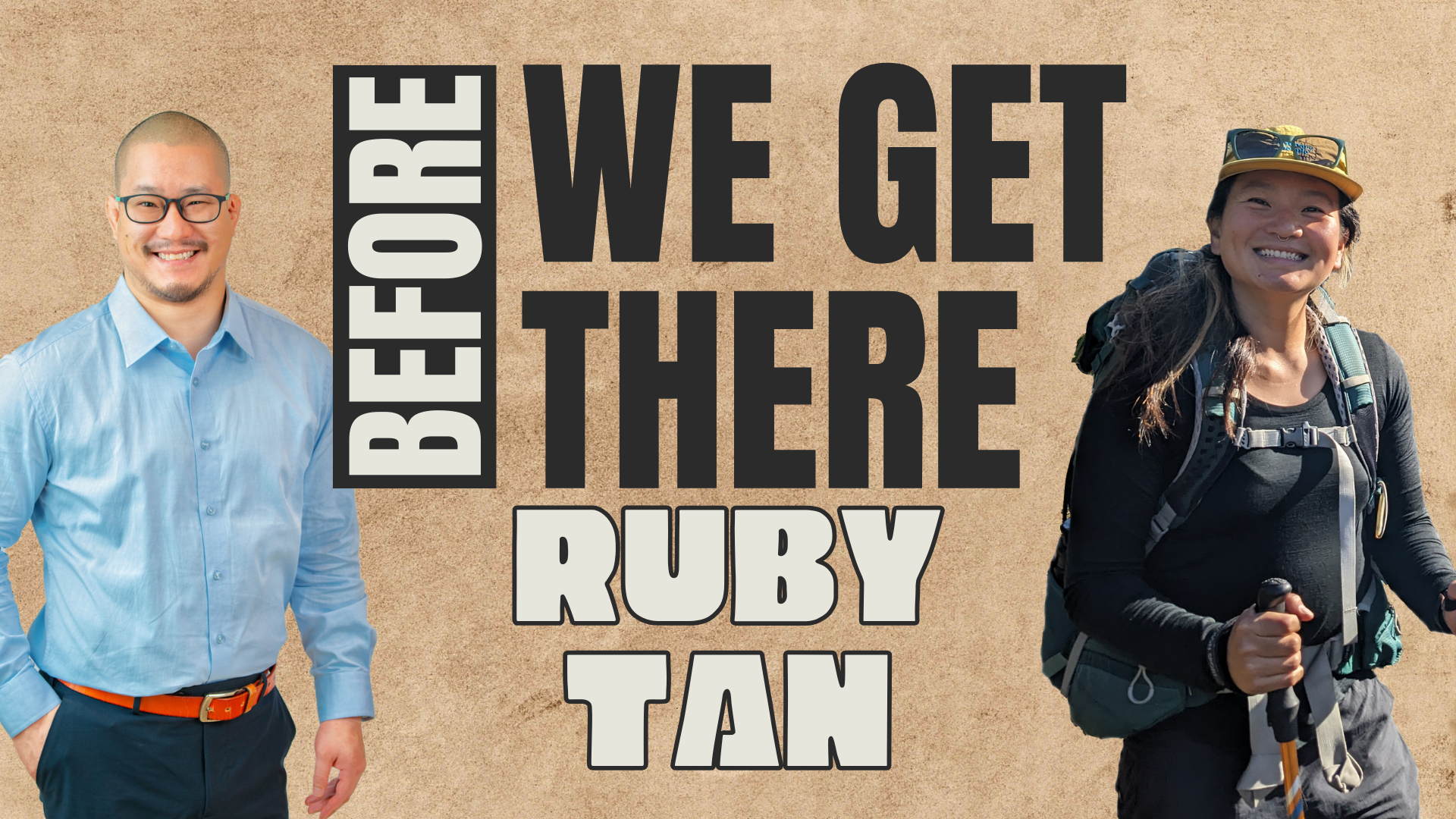
Ruby Tan is a Singaporean outdoor instructor and adventure guide based in New Zealand. After years of searching for meaning in a fast-paced city life, she left her career in media to study outdoor education — a decision that took her from cubicles to classrooms under the open sky.
In this conversation, we talk about how Ruby discovered her love for the outdoors, what it means to find belonging far from home, and how she rebuilt her life and identity through nature. From quitting her job and planting cucumbers in Nepal to kayaking and hiking across New Zealand, Ruby’s story is a lesson in courage, reinvention, and faith in the unknown.
Story Highlights
Leaving a corporate job to pursue outdoor education in New Zealand
Discovering purpose through nature and guiding
Overcoming loneliness and depression after returning to Singapore
Moving between countries and learning to start again
Finding meaning in discomfort, resilience, and connection
Quote
“I just always had that faith that something will happen, the right thing will come along at the right time. All I knew at that point was I just needed to stop and go figure myself out. I had to come to this place of acceptance that I have to chase my dream without my mom’s approval.”
About Ruby Tan
Ruby Tan is a Singaporean outdoor educator and guide now based in New Zealand. She began her career in media before discovering her calling in nature, training in outdoor education, and later leading expeditions across Asia and Oceania. Through her work, she helps students and travelers connect with the natural world and themselves. Her journey from urban life to mountain trails is a story about courage, independence, and finding belonging in motion.
Why This Conversation Matters
Ruby’s journey shows that fulfillment sometimes requires walking away from comfort to find clarity. Her reflections on identity, mental health, and home reveal how joy can coexist with struggle, and how the wilderness can teach us what we forget in routine — presence, patience, and purpose.
Turning Points
Ruby’s first turning point came when she left a promising media career to work on a farm in Nepal, where she realized her need to live a life outdoors. Later, studying in New Zealand transformed that desire into a profession. Returning to Singapore during the pandemic challenged everything she’d built, forcing her to confront isolation, depression, and rediscovery. But through therapy, travel, and persistence, she found her way back to New Zealand — and to herself.
Key Lessons
Trust your instincts. Faith often comes before clarity.
Discomfort reveals truth. Growth happens where comfort ends.
Home can change. Belonging is something we build, not inherit.
Rest is part of resilience. Even adventurers need stillness.
Meaning requires courage. Fulfillment is found by those willing to start again.
In this series, I will share lessons from guests on my podcast, Before We Get There. My first guest, a passionate creative working in media, shared invaluable insights into the struggles and successes that have shaped his unique career. Here are the top five lessons we can all take from his story, whether we’re pursuing a creative path or simply trying to balance our passions with our day-to-day responsibilities.
1. Find Creative Fulfillment Outside of Work
Although he’s worked in roles that allowed some creative freedom, my guest discovered a crucial distinction between creating for others and creating for himself. He found that the constraints of client projects often left him yearning for more control over his vision. So, he began channeling his creative energy into personal projects outside of his nine-to-five, finding a renewed sense of satisfaction and personal expression. This lesson is a reminder that sometimes, true fulfillment comes from what we pursue outside the boundaries of work.
Like many creatives, my guest once struggled with the desire for perfection, editing his work for weeks until it met his standards. Over time, he learned that setting a project aside and coming back with fresh eyes helped him judge when it was “good enough” to release. This balance of quality with progress can free us from the traps of over-editing and endless revisions, which can often hinder growth and the ability to move forward.
3. Embrace Personal Projects as a Source of Fulfillment
From his early days doodling as a child to his current work in video production, my guest has consistently turned to personal projects to fulfill his need for creative expression. When work doesn’t allow for complete creative control, he makes time to explore video, photography, and other projects that feed his soul. Personal projects can ground us in our passion, helping us reconnect with what brought us to our field in the first place.
4. Build Resilience and Adaptability
The journey hasn’t always been smooth, as he experienced setbacks, especially during the pandemic when his plans to attend film school were derailed. He adapted by crafting a unique job application — a rap video — which eventually helped him land a role at a media company. This story exemplifies how creativity and adaptability can open doors even in the face of unexpected challenges.
5. Strive for Balance and Be Kind to Yourself
One of the most striking lessons he shared was his desire for a balanced life that combines both professional achievements and personal joy. He’s come to value a work-life balance that allows space for his passions, family, and future dreams. For him, success is about not only career milestones but also nurturing the things that make life truly rewarding, whether it’s a side project, time with loved ones, or a creative hobby.
This conversation was a great reminder that, in the creative journey, the biggest achievements aren’t always what others see on the outside. Instead, success often lies in the way we stay true to our passions, find balance, and adapt when life throws us a curveball. These lessons can resonate with anyone, regardless of profession — because, at the end of the day, we’re all trying to find fulfillment in our own ways.
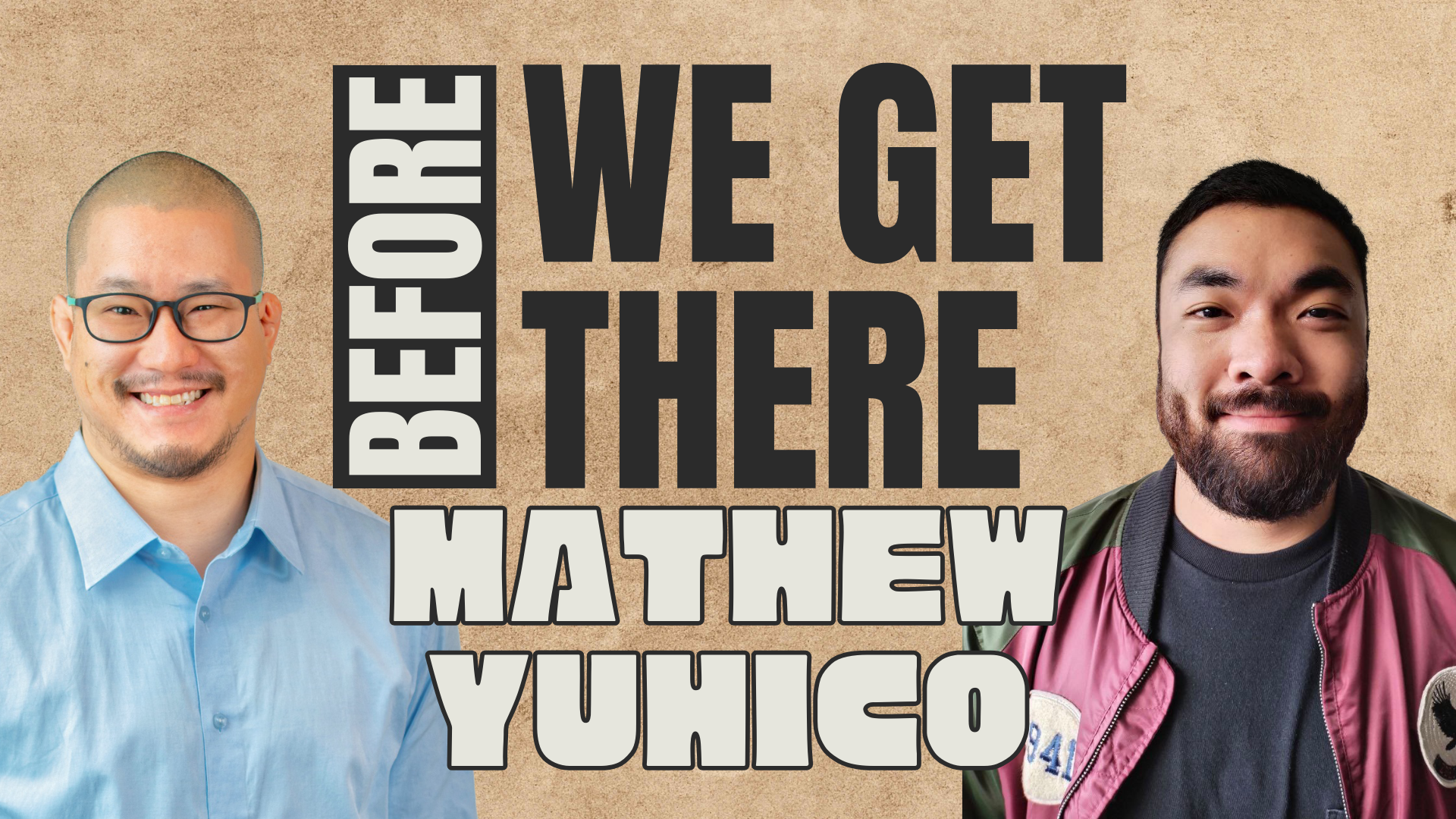
Mathew Yuhico is a video producer, visual storyteller, and creative all-rounder whose journey has taken him from the Philippines to Singapore — from designing corporate campaigns to producing stories for VICE. Along the way, he’s learned what it means to build a creative career, navigate burnout, and rediscover joy in making things for their own sake.
In this episode, we talk about how Mathew moved from graphic design to video production, how a rap video landed him a job at VICE during the pandemic, and why Brazilian Jiu-Jitsu has become his anchor outside of work. It’s a conversation about creativity, courage, and finding meaning in the process, not the outcome.
Story Highlights
Growing up in a creative family and discovering art through his mother
Transitioning from business school to visual design and storytelling
Making a viral rap video that got him hired by VICE
How burnout changed his relationship with creativity
What Jiu-Jitsu and filmmaking have in common
Quote
“If anything, Jiu-Jitsu has taught me it’s just perseverance. You keep going in any endeavor, whether it’s a career-based endeavor or something in your life. Most people, most of the time, will quit. If you just keep going, you’re going to be the successful one at the end.”
About Mathew Yuhico
Mathew Yuhico is a Singapore-based video producer, content creator, and storyteller. Originally from Manila, he studied at Singapore Management University before beginning his career in PR and design. His creative path led him to VICE, where his innovative approach to visual storytelling helped shape their digital and social content. Outside of media, he’s a dedicated Brazilian Jiu-Jitsu practitioner and continues to create personal films exploring emotion, mental health, and everyday life.
Why This Conversation Matters
Mathew’s story is about following creative instincts even when the path isn’t clear. From rejection to reinvention, his journey reminds us that growth doesn’t always mean climbing a ladder — sometimes it’s about rediscovering joy in what you do, making things for yourself, and learning to embrace imperfection.
Turning Points
After starting in business school, Mathew realized his true interests lay in design and visual storytelling. He built a small portfolio through freelance projects and eventually transitioned into video. During the pandemic, after losing his job and a planned move to film school, he took a bold risk — submitting a rap video as his job application to VICE. That video went viral, earning him the role that would change his career. Today, whether he’s filming, training Jiu-Jitsu, or creating short pieces about life, Mathew continues to chase meaning through creativity, not metrics.
Key Lessons
Do it for the joy. Not every project needs to be a career move.
Make time for what feeds you. Creativity needs space, not just deadlines.
Start before you’re ready. You can figure it out as you go.
Perseverance outlasts talent. Keep showing up — that’s what matters most.
Let yourself evolve. What fulfills you at 25 may change by 30.
Moving to a new country, especially if it is on another continent is a daunting experience. Not only are you likely to be starting at a new job or school, but you won’t know anyone there, and there will be a lot of unfamiliar things to get used to. Culture shock is a common phenomenon, especially after the first few days or weeks of excitement and adrenaline wear off. When you move to a new place, triply so if you don’t speak the language well, it is exhausting. The most normal everyday things are so much mentally draining than when you are in your home country. And when you are mentally exhausted, picking up or putting up with the cultural differences becomes even more difficult. I experienced a huge amount of culture shock when I made probably one of the more extreme moves possible, from Seattle, Washington in the US, to a tiny village in the middle of nowhere in North Eastern China. I was able to adapt and ended up living a total of 4 years in China, and most recently have lived in Singapore for 9 years. I’ll share my experience with you so that you can be prepared to cope with culture shock and thrive in your new environment.
Be Prepared – Do your research Nothing will ease your worries more than doing research about the place you are about to move to. There are lots of expat forums, Facebook groups, and Reddit communities where you can search and ask your most pressing questions. Many of the concerns you have may be practical like about phone plans, where to live, schools, transportation, and getting your belongings shipped there. But broader information about the work culture, history of the country, cuisine, and more will also be useful for lowering the culture shock you experience after you arrive. I highly suggest you try to connect with other expats that have lived in the country for a long time for their advice, who knows you may even make some new friends to meet up with after you make your move!
Shanghai Street – Photo by Nicholas Braman
Be open-minded – Don’t expect things to be the same I think the stereotype of the clueless American tourist has gotten much better over the past decade or so, and if you are planning to move abroad, you probably aren’t one of those types of people anyway. But it will be helpful to mentally prepare yourself for differences in how things work. And be ready to just accept the way things are sometimes. Of course, if you want to structure your home, habits, and activities to be as similar to what they used to be and how you prefer, that will lessen the culture shock. But you won’t be able to tailor everything around you to how you are used to, sometimes you just have to accept it and get used to it. One example in my experience is the lack of lines (or queuing) in China, everyone just pushes their way to the front in bunches and if you wait in an orderly line, you will never get to the front. At first this really annoyed me, but eventually, I accepted if I didn’t want to spend all day waiting for new people pushing in front of me I’d have to adapt and do the same thing.
Another example is crossing the street in some countries like Vietnam, the crosswalks aren’t really used, and with the amount of motorcycle, bicycle, and car traffic, you have to just go if you want to get across. You eventually learn when to start out and that if you just keep walking at a steady pace, you won’t get run over. Not expecting things to be the same is especially true for your work life. Even if you work for a multi-national company, possibly even based in your home country, the local working style and culture could be vastly different. Go in with an open mind and get a feel for the lay of the land before you start pushing back on things you don’t agree with too much. Most local colleagues will be very interested in you and since you will be spending a lot of time with them it will be important to build good relationships and use it as an opportunity to fit in more with local life.
Get close to locals – Don’t only hang out with fellow foreigners One way many expats deal with coping with culture shock is to try to insulate themselves as much as possible from the local culture and people by staying around other foreigners as much as possible. I find that not only is this just staving off the inevitable, it is also a huge waste of opportunity for personal growth and your understanding of the world and other cultures. The expats I know who integrated themselves well and really got to know the local culture and people all had a much more fulfilling experience than those who lived in a bubble.
The faster you get to know the local culture and the more local people you have to help you navigate the differences, the more quickly you will be able to get over most culture shock and thrive in your new environment. While sticking around people who are from countries similar to yours can ease things for a while, in the long run, you are doing yourself a disservice and missing out on a lot of what you could be learning and experiencing.
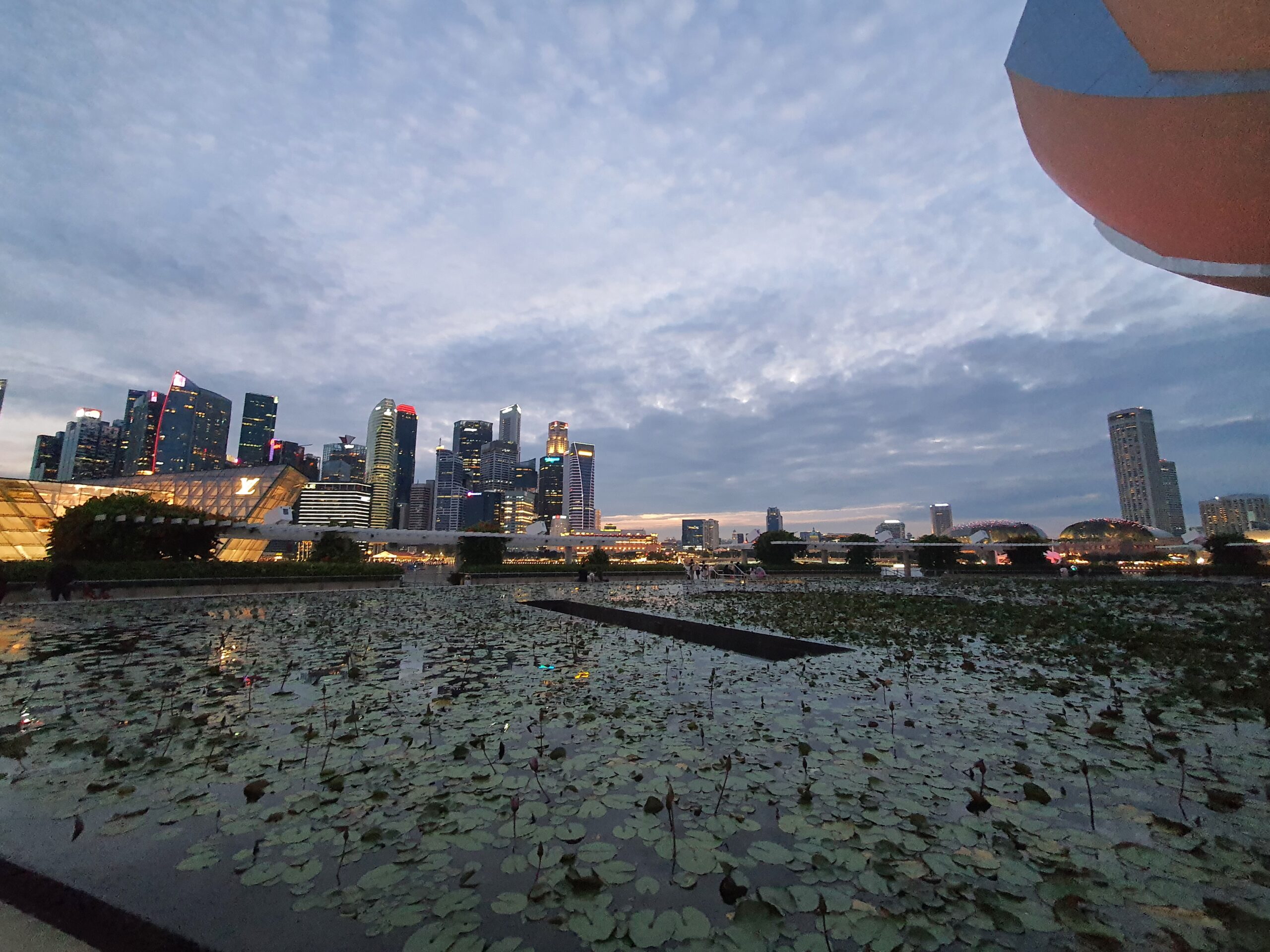
Singapore River – Photo by Nicholas Braman
Give yourself some treats – Little joys from home can make you feel a lot better That said, there are some ways you can give yourself some of the comforts of home when you do start feeling some culture shock or homesickness. In my experience, the best way to do this is through food. Since we eat three times a day and the commonly available foods aren’t likely to be what you are used to from home, treating yourself to some comfort food whether by cooking yourself or going out can be a great treat. I always make sure to cook big meals on holidays like Thanksgiving and Christmas, and even weekly home-cooked meals really hit the spot. Sometimes fast food can do the trick as well, McDonald’s breakfasts are one of my favorites and they are the same all over the world.
Learn the language – A bit of effort goes a long way Besides convenience and getting through day-to-day life, learning a bit of the local language will endear you with the locals, and help you make more friends and get over the culture shock. It may be intimidating at first, especially if it is a language super difference from your own, but it will really help integrate your life more easily. I speak Chinese decently now, which is one of the common languages in Singapore as well, and it really makes a big difference in making day-to-day interactions smoother and alleviating some of the small annoyances of ordering food, talking to taxi drivers, etc. I personally knew people who had lived in China for 10 years and could barely say 20 words, while others became nearly fluent, those who made the effort definitely enjoyed the relationships they could build with non-English speaking locals and other benefits.
Keep ties with home – These days it’s easy to keep in touch To be honest, after 9 years of continuously living abroad, there are not a lot of people from home I contact on a regular basis. But at the beginning, I think it is very beneficial to keep ties with your friends. They may not understand exactly what you are going through, but they can lend a listening ear when things get overwhelming. I used to have to make expensive Skype calls when I first moved overseas, but now with Facebook and WhatsApp, it doesn’t cost anything to reach out.
Shanghai View – Photo by Nicholas Braman
Practice gratitude – If you weren’t having this experience you would never know what you were missing When things get really tough or you are questioning your decision, try to practice gratitude for the opportunity to experience a new life and country and appreciate the experience while you are having it. Not everyone has the chance to live in another country, and I’m positive you will look bad later in your life and be grateful you did it, no matter the challenges you may be facing on any given day. Who knows, you may end up like me and eventually fall in love with a new country and end up settling down there, but even if you move back, you will return as a more experienced, wise, and empathetic person.
Bonus Advice – Be prepared for reverse culture shock This was something I didn’t expect at all, but a lot of expats who I’ve talked to have experienced the same thing after moving back or even visiting their home country. Reverse culture shock is a real thing, and you may have to go through some of the same processes all over again. Just remember that it is common, and eventually, it will likely go away, although I’m sure there will be some parts of the country you lived in that you will always miss.
I hope this article has given you some practical and philosophical advice for if you are planning to or have just moved to a new country. It is a huge life change for anyone and it is expected to have some challenges, but with these strategies, you can minimize the culture shock and thrive in your new and exciting life. I’ve also written on The Most Important Things You’ll Learn About Yourself From Living Overseas which may give you some extra encouragement!
My most treasured experiences have always been wandering you alone. When it’s just me on my own, riding the waves of solo travel I feel free and peaceful, I have no one else to account for, and I can explore you however makes me feel best. While traveling across your cities and wilderness I enjoy crossing paths with other travelers, but only for brief periods of time. Even when I’m in a crowded place with hundreds of people around me, being on a solo journey makes it feels like it is just you and me. Taking in your beauty whether in wilderness vistas or modern cityscapes, it is just you and me and this moment in time.
I’ve traveled with groups, family, my wife, and friends, but none can compare to the joy of being solo travel. Without the need to cater to other’s desires, I have the freedom to be spontaneous, to do what I wish. There’s no judgment or guessing how my companions really feel about the itinerary, and no need to wait for others to get ready or catch up. Do you remember the time I spent one whole day reading the latest Harry Potter in a tiny bookstore in Prague? Already lost in a faraway city on another continent, I got lost again in the world of fiction. Or how about the time I booked a 3-night ferry ride without a room and ended up sleeping on a hard half-couch in the ship’s library? I budgeted to only pay for the breakfast buffet and stuffed myself for 3 hours before spending the rest of the day wandering the ship, alone, hungry, and happy. Neither of those experiences would have been possible if I wasn’t traveling solo.
Solo travel doesn’t mean I was always alone, I often bump into fellow travelers and spend some time sharing new experiences together before drifting apart in separate directions. There was the Czech busker couple in Venice that I stopped and listened to for an hour before they packed up and we dove into the nightlife until the next dawn broke. Or the old New Zealendar in Phnom Penh whose arms were covered in sleeves and grey hair rolled over his shoulders like a mane. We raised hell through the city and even commandeered some rickshaws on that crazy night. But like sticks floating down a river that get caught in an eddy together for a while, after a short while we always got spit out and took our own paths to the next destination.
My days of solo travel are probably already past. I have a daughter of my own now and I can’t wait to watch her see the amazing sights of the world for herself. But even though I’ll likely grow to love that more, there will always be a soft spot in my heart for the days I wandered you alone. Thank you for letting me experience so many of you sights, taste the foods grown in your soil, feel the changes in temperature, or a certain smell that just is so unique to one place. As I continue to explore the vastness you contain, I’ll always treasure the times we were alone together.