Michael Thompson is a UX and game designer turned educator who has worked on some of the world’s biggest titles, including FIFA, NBA Live, and Need for Speed. After nearly two decades in the video game industry, he transitioned into teaching, helping the next generation of designers learn how to create meaningful, immersive experiences.
In this conversation, Michael shares how he went from growing up on Vancouver Island to working at Electronic Arts and Ubisoft, the creative highs and burnout that come with game development, and how Brazilian Jiu-Jitsu became his lifelong anchor. We talk about creativity, perseverance, and what both games and martial arts can teach us about learning, ego, and endurance.
Story Highlights
Moving from Vancouver Island to Singapore to join Electronic Arts
The reality behind “dream jobs” in the gaming industry
Working on major franchises like FIFA, NBA Live, and Need for Speed
The challenges of creative burnout and career transition
What 20 years of Jiu-Jitsu taught him about persistence and humility
Quote
“If anything, Jiu-Jitsu has taught me it’s just perseverance. You keep going in any endeavor, whether it’s a career-based endeavor or something in your life. Most people, most of the time, will quit. If you just keep going, you’re going to be the successful one at the end.”
About Michael Thompson
Michael Thompson is a Canadian UX and game designer, educator, and Brazilian Jiu-Jitsu black belt based in Singapore. Over his career, he has held senior roles at Electronic Arts and Ubisoft, contributing to global franchises such as FIFA Online, NBA Live, and Ghost Recon Phantoms. Today, he teaches at DigiPen Institute of Technology in Singapore, where he trains aspiring designers to combine technical skill with creative empathy. Outside the classroom, he continues to train and teach Brazilian Jiu-Jitsu at FAMA and SG Grappling.
Why This Conversation Matters
Michael’s story bridges two worlds — the creativity of game design and the discipline of martial arts. His reflections on failure, teaching, and consistency reveal how mastery is built over time, not through talent alone. Whether in art, sport, or life, his message is simple: stay curious, keep showing up, and never stop learning.
Turning Points
After more than 15 years in the games industry, Michael hit a wall. The long hours, intense deadlines, and constant creative churn had taken their toll. He decided to pivot to teaching, first at Singapore Polytechnic and later at DigiPen. In parallel, he deepened his commitment to Jiu-Jitsu — a practice that taught him patience, humility, and resilience. His journey from “dream job” to meaningful work reflects how success can evolve from ambition to impact.
Key Lessons
Dream jobs have trade-offs. Passion doesn’t erase pressure.
Persistence beats talent. Keep showing up — that’s how you get better.
Creativity is discipline. The best ideas come from consistency, not chaos.
Teaching gives perspective. Sharing knowledge sharpens your own craft.
Movement is meditation. Physical practice grounds the mind.
Moving to a new country, especially if it is on another continent is a daunting experience. Not only are you likely to be starting at a new job or school, but you won’t know anyone there, and there will be a lot of unfamiliar things to get used to. Culture shock is a common phenomenon, especially after the first few days or weeks of excitement and adrenaline wear off. When you move to a new place, triply so if you don’t speak the language well, it is exhausting. The most normal everyday things are so much mentally draining than when you are in your home country. And when you are mentally exhausted, picking up or putting up with the cultural differences becomes even more difficult. I experienced a huge amount of culture shock when I made probably one of the more extreme moves possible, from Seattle, Washington in the US, to a tiny village in the middle of nowhere in North Eastern China. I was able to adapt and ended up living a total of 4 years in China, and most recently have lived in Singapore for 9 years. I’ll share my experience with you so that you can be prepared to cope with culture shock and thrive in your new environment.
Be Prepared – Do your research Nothing will ease your worries more than doing research about the place you are about to move to. There are lots of expat forums, Facebook groups, and Reddit communities where you can search and ask your most pressing questions. Many of the concerns you have may be practical like about phone plans, where to live, schools, transportation, and getting your belongings shipped there. But broader information about the work culture, history of the country, cuisine, and more will also be useful for lowering the culture shock you experience after you arrive. I highly suggest you try to connect with other expats that have lived in the country for a long time for their advice, who knows you may even make some new friends to meet up with after you make your move!
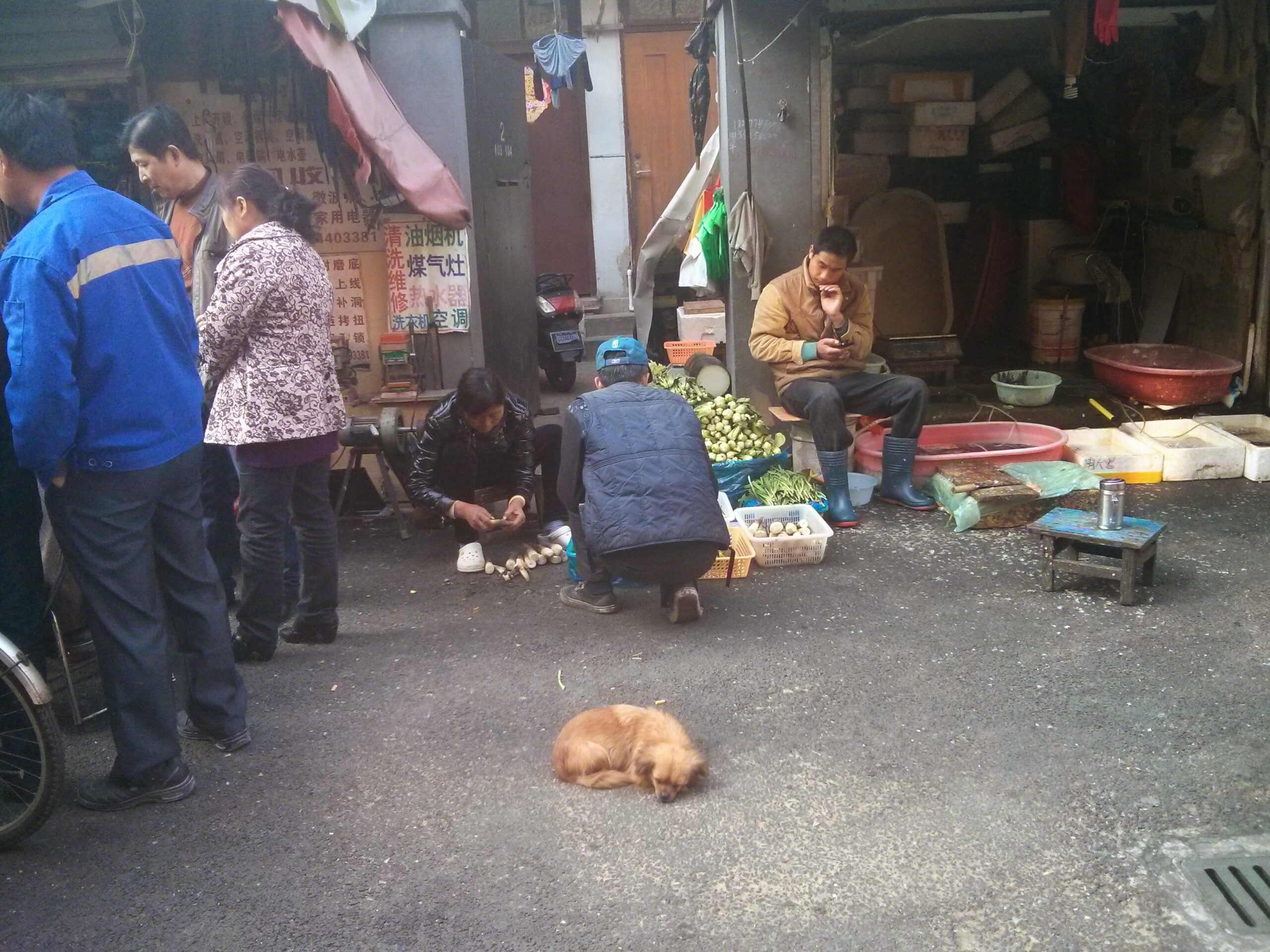
Shanghai Street – Photo by Nicholas Braman
Be open-minded – Don’t expect things to be the same I think the stereotype of the clueless American tourist has gotten much better over the past decade or so, and if you are planning to move abroad, you probably aren’t one of those types of people anyway. But it will be helpful to mentally prepare yourself for differences in how things work. And be ready to just accept the way things are sometimes. Of course, if you want to structure your home, habits, and activities to be as similar to what they used to be and how you prefer, that will lessen the culture shock. But you won’t be able to tailor everything around you to how you are used to, sometimes you just have to accept it and get used to it. One example in my experience is the lack of lines (or queuing) in China, everyone just pushes their way to the front in bunches and if you wait in an orderly line, you will never get to the front. At first this really annoyed me, but eventually, I accepted if I didn’t want to spend all day waiting for new people pushing in front of me I’d have to adapt and do the same thing.
Another example is crossing the street in some countries like Vietnam, the crosswalks aren’t really used, and with the amount of motorcycle, bicycle, and car traffic, you have to just go if you want to get across. You eventually learn when to start out and that if you just keep walking at a steady pace, you won’t get run over. Not expecting things to be the same is especially true for your work life. Even if you work for a multi-national company, possibly even based in your home country, the local working style and culture could be vastly different. Go in with an open mind and get a feel for the lay of the land before you start pushing back on things you don’t agree with too much. Most local colleagues will be very interested in you and since you will be spending a lot of time with them it will be important to build good relationships and use it as an opportunity to fit in more with local life.
Get close to locals – Don’t only hang out with fellow foreigners One way many expats deal with coping with culture shock is to try to insulate themselves as much as possible from the local culture and people by staying around other foreigners as much as possible. I find that not only is this just staving off the inevitable, it is also a huge waste of opportunity for personal growth and your understanding of the world and other cultures. The expats I know who integrated themselves well and really got to know the local culture and people all had a much more fulfilling experience than those who lived in a bubble.
The faster you get to know the local culture and the more local people you have to help you navigate the differences, the more quickly you will be able to get over most culture shock and thrive in your new environment. While sticking around people who are from countries similar to yours can ease things for a while, in the long run, you are doing yourself a disservice and missing out on a lot of what you could be learning and experiencing.
Singapore River – Photo by Nicholas Braman
Give yourself some treats – Little joys from home can make you feel a lot better That said, there are some ways you can give yourself some of the comforts of home when you do start feeling some culture shock or homesickness. In my experience, the best way to do this is through food. Since we eat three times a day and the commonly available foods aren’t likely to be what you are used to from home, treating yourself to some comfort food whether by cooking yourself or going out can be a great treat. I always make sure to cook big meals on holidays like Thanksgiving and Christmas, and even weekly home-cooked meals really hit the spot. Sometimes fast food can do the trick as well, McDonald’s breakfasts are one of my favorites and they are the same all over the world.
Learn the language – A bit of effort goes a long way Besides convenience and getting through day-to-day life, learning a bit of the local language will endear you with the locals, and help you make more friends and get over the culture shock. It may be intimidating at first, especially if it is a language super difference from your own, but it will really help integrate your life more easily. I speak Chinese decently now, which is one of the common languages in Singapore as well, and it really makes a big difference in making day-to-day interactions smoother and alleviating some of the small annoyances of ordering food, talking to taxi drivers, etc. I personally knew people who had lived in China for 10 years and could barely say 20 words, while others became nearly fluent, those who made the effort definitely enjoyed the relationships they could build with non-English speaking locals and other benefits.
Keep ties with home – These days it’s easy to keep in touch To be honest, after 9 years of continuously living abroad, there are not a lot of people from home I contact on a regular basis. But at the beginning, I think it is very beneficial to keep ties with your friends. They may not understand exactly what you are going through, but they can lend a listening ear when things get overwhelming. I used to have to make expensive Skype calls when I first moved overseas, but now with Facebook and WhatsApp, it doesn’t cost anything to reach out.
Shanghai View – Photo by Nicholas Braman
Practice gratitude – If you weren’t having this experience you would never know what you were missing When things get really tough or you are questioning your decision, try to practice gratitude for the opportunity to experience a new life and country and appreciate the experience while you are having it. Not everyone has the chance to live in another country, and I’m positive you will look bad later in your life and be grateful you did it, no matter the challenges you may be facing on any given day. Who knows, you may end up like me and eventually fall in love with a new country and end up settling down there, but even if you move back, you will return as a more experienced, wise, and empathetic person.
Bonus Advice – Be prepared for reverse culture shock This was something I didn’t expect at all, but a lot of expats who I’ve talked to have experienced the same thing after moving back or even visiting their home country. Reverse culture shock is a real thing, and you may have to go through some of the same processes all over again. Just remember that it is common, and eventually, it will likely go away, although I’m sure there will be some parts of the country you lived in that you will always miss.
I hope this article has given you some practical and philosophical advice for if you are planning to or have just moved to a new country. It is a huge life change for anyone and it is expected to have some challenges, but with these strategies, you can minimize the culture shock and thrive in your new and exciting life. I’ve also written on The Most Important Things You’ll Learn About Yourself From Living Overseas which may give you some extra encouragement!
This is a companion piece to my other post “The Top 8 Hardest Things About Living Abroad”. I wrote the other one first because I figured most people probably can imagine the best things more easily and I wanted to share some of the challenges. But there are definitely amazing things as well. I have also shared The Most Important Things You’ll Learn About Yourself Living Overseas, but this article is going to focus on just the best things. The things that make all the challenges and lessons worth it.
Gaining new perspectives on life Even if you are well-traveled, well-read, and have friends in your home country from other places, there’s nothing like living abroad to give you new perspectives on life. It’s just different when you live somewhere and start to notice the little things and how different people’s lives are compared to what you are used to. Once you live abroad you have a deep comparison of just how different things can be, and when you examine what your own views and expectations on life are, you can see things from a new angle.
Experiencing new cultures Everyone knows this, but again I think it is worth emphasizing the difference between traveling somewhere and living there. When you visit a place you just get a snapshot, and often of the best or most famous spots. But once you live there you become part of the fabric of the culture and it rubs off on you and starts to become part of who you are, rather than just something you observed. This is something that just can’t be replicated without living abroad.
Being able to make quick trips around a different part of the world This is a huge one for people who are from North America. Instead of quick trips to Vegas, Palm Springs, Cabo, and maybe the Caribbean, whole different parts of the world open up to you. For me being based in Singapore, places like Bali, Thailand, the Maldives, Taiwan, and much more are just hours away and it is easy to head over for a 3 or 4-day trip. Europe is the same way, with the whole continent being at your fingertips if you live in any major metropolitan area. It is super fun to be able to take a quick getaway to places that seemed so far off and exotic when you lived on the other side of the world.
Really getting to know new cuisines Since food is very close to my heart, this is really important to me. Growing up in Seattle we had access to a great variety of cuisines, especially Asian and Latin. But even though you could find a lot of restaurants dedicated to authenticity, it just isn’t the same as spending years deep-diving into new cuisines when you are living abroad. Singapore is a well-known foodie haven, with a mix of Chinese, Southeast Asian, and South Asian cuisines. And I am still discovering new dishes and specialties after almost 10 years.
Getting your head out of the bad parts of your home country We all can get stuck in the cycle of click-bait headlines and one-liners that seem to dominate the news these days. But I think it has been very healthy for me to take a step back and see issues in the US through a broader lens. I used to be quite political, or at least up-to-date, and paying attention through the Bush years through Obama’s election. But I was very grateful to be living overseas for the 2016 and 2020 elections and not have it dominate my conversations, friendships, and worries during those times.
Making friends from across the world Of course, I had lots of international friends in the US as well, but it is a different kind of shared experience and bond when you are both from another place than you are living. I was technically an immigrant to America, but I arrived when I was a baby, so I didn’t have that bond. But when you are living overseas you feel more connected to people who have also moved to that country from somewhere else. This was especially important and noticeable in a less accessible country like China, where it was harder to integrate with locals. The juxtaposition of being from different places, but learning and experiencing a new country together can be a great catalyst for amazing friendships.
Proving that you can make it on your own Living on your own can be difficult even in your own country, especially if it is your first time or you have moved to a new city. But making the move to a new country is in a whole other league. You may not even speak the local language, you have a new job, need to make new friends, eat new food, use a new currency, and all of this without the support of anyone around you. It can be scary and lonely at times, it can also create some of the best memories you’ll ever have. And when you look back it will be something you will be grateful and proud of doing.
Building a new life for yourself Sometimes we get stuck in our routines, friends we have known for a long time, our jobs and careers, the places we eat, activities we do, romantic relationships, maybe even our personalities and the way we present ourselves to the world. There’s no better time to reinvent yourself than when you move to a new country. You’re free to build a new, hopefully better life for yourself. Erase mistakes or poor choices from your past, choose different kinds of people to be friends with, build an improved professional reputation, and experiment with new romances. When you start living abroad, the world really is your oyster.
So these are my top 8 things about living abroad. I hope you learned something and it gives you the motivation to jump on a chance to move overseas if it ever comes your way. It will definitely change you forever and give you new perspectives and experiences you never could have if you don’t give it a try.
I’ve lived outside of my home country, the US, for 14 years, most of my adult life. During that time I’ve traveled across the world, but have only really settled down in two countries, China and Singapore. It has been an amazing experience, and I wouldn’t change it for anything, I’ve found that when you live overseas you discover far more about yourself than when you live where you grew up. It’s obvious that there are many insights and understandings that really only come from having built a new life in another country that you don’t get by just visiting there, but today I want to focus on what you will learn about yourself and how that can help understand the way you are better. I highly recommend anyone who has the chance to spend time living in another country to do so and reflect on how it affects your understanding of yourself. Here are the biggest things I’ve learned.
Who is really important to you
We all know that as we get older, with more responsibilities, jobs, kids, hobbies, and other commitments, we find it harder to maintain friendships. This is magnified tenfold when you live across continents from your close friends and may only go back to visit once every few years. With technology today, there are plenty of ways to keep in touch; social media, facetime, etc. But with the time differences and everyone’s busy lives. I soon started to see which relationships had effort being put in from both sides to maintain the relationship. And honestly, that list is way smaller than I would have expected.
Sure, I have buddies who I can go years without seeing, and when we finally meet we fall back into our old habits and interactions easily, but are these people really important to me if we don’t talk much in between? I’m beginning to think not. On the other hand, I’ve reconnected with people from many years ago who I was never that close to begin with, but because our life paths and stages are similar we really connect on a different level and have begun a whole new chapter in our friendships.
Of course, another aspect is family. I think this is a big concern for many people, especially if your parents are getting older, or your siblings and cousins would like to be a part of your kids’ lives. For me personally, I’ve begun to see that the family I’m building now are the ones who really matter. Would it be different if I lived closer to my Dad, maybe? But maybe I would also have the same kind of relationship I have with him now, just from a few hour’s drive away instead of across the world. I certainly hope to fly him out to Singapore in the next year or two so he can meet my daughter and see the beautiful country I live in and the life I’ve built with my wife.
Small 4th of July celebration in Singapore in 2019 — Photo by Nicholas Braman
What traditions matter
Having lived in countries as different from America as China and Singapore I have to put in extra effort to keep those traditions alive that I grew up with. And I’ve found the ones that aren’t really important tend to fall by the wayside. I still cook a big meal every Thanksgiving, wrap presents at Christmas, watch patriotic movies and eat BBQ on the 4th of July. But that’s about it. All those other holidays and family traditions I grew up with have slipped away. But the great thing is that I’m building new traditions with my own family in my new country now, that are every bit as meaningful as what I grew up with.
As a kid, my family had two traditions that were my absolute favorite. The first was a camping trip to the ocean for Labor Day, we would pack up the car and drive 3 hours to the coast before setting up the tents and settling in for a long weekend of walks on the beach, smores by the campfire, and Yahtzee games by lantern light. The second was the yearly trip to a bed & breakfast in the mountains starting the day after Christmas. Not only were the giant pancake breakfasts, sledding and hot-tubbing, and walks through the snowy town all highlights. But the best part was that all the presents we opened on Christmas were brand new to us again when we got home from the trip, so it was almost like having two Christmases! And while these remain some of my favorite childhood memories, even if I lived in the same place I grew up, would I want to be doing the exact same things with my kids for the next 20 years? I think it is more important to have this kind of family tradition and yearly activity to look forward to than the exact activity itself.
As far as holidays go, some of the holidays like Easter, Labour Day, and Halloween barely register on my calendar these days. Each of the countries I’ve lived in have its own holidays that are super fun to get to know and celebrate with new friends. My favorite is probably Chinese New Year in Singapore when you get together with friends and have a huge meal with a special “Yu Sheng” dish that is ceremoniously tossed in the air by all for good luck in the new year. China has its own way of celebrating the new year, which heavily leans on setting off loud fireworks for 7 nights in a row, which I’m not such a big fan of.
Yu Sheng tossing in Singapore 2020 — Photo by Nicholas Braman
How open you are to new experiences
Singapore and China are very different in terms of how easy it is to get to know locals as a foreigner. In China, the English level is quite low, while in Singapore it is their native language. But even so, in both countries, I have seen a large percentage of foreigners who stick to their own “expat bubble” and never integrate into the local society. Honestly, it happens to immigrants to the US as well, and I think anyone who behaves like this is missing out. Plenty of people say that they love to travel and experience new things, but if you live in one of the food capitals of Asia and are still eating pizza and burgers 4 nights a week, only friends with people who look like you, and still participating in the same hobbies as before, I think you are kidding yourself.
Now I’m not saying you have to go all-in and adopt every local custom, look down on other foreigners, or never enjoy the wonder that is an egg McMuffin. I also am not talking about hiking up volcanoes in The Philippines, going to a Full Moon Party in Thailand, or scuba diving in Malaysia, those are awesome experiences to have and of course, you would want to. The kind of experiences I am talking about are the more mundane but embody the local culture and lifestyle. Sitting at a kopi shop dipping kaya toast in soft-boiled eggs, having a satay party at a friend’s rooftop, playing blackjack for 2 dollar bills around Chinese New Year, or listening to a concert in the park.
These are the kind of experiences that will someday define your memories of what it was like to live in a foreign land, not the once or twice you went to the best restaurant in the city or attended the F1 race. In China, one of these experiences for me was commuting by electric bike to work, about 40 minutes away on a good day. Each morning I packed my bag, put on my helmet, hopped on the bike, and zipped my way halfway across the city to the school I was teaching at. While gliding along the busy streets full of other riders, pedestrians, food hawkers, traffic police, and taxies; I was just one of the the millions of locals rushing to work in Shanghai.
My apartment in Shanghai in 2005 — Photo by Nicholas Braman
Whether you are really comfortable with yourself
No matter how many friends you make or how well you ingrain yourself into the local society, there will still be times you feel lonely. It may not even by a physical loneliness where you miss the company of other people. Rather, what I’ve felt at times is the loneliness of experience, missing cultural references, or commonalities of childhood. And the worst part is that it isn’t any better when you go home to visit, if you’ve been away for a long time, you’re likely to encounter reverse culture shock, which is very off-putting the first time you experience it. Now this isn’t an everyday occurrence, but you may feel this sense of loneliness come over you once in a while, and how comfortable you are with yourself will determine how much it affects you and how soon you are able to get over it.
Your comfort with yourself will also affect how much the experience of living in a new country changes who you are. I think you have to be comfortable enough with yourself to embrace the new life and culture you find yourself in, while still retaining your core principles, personality, and values. I’m sure you’ve seen some people who get a new boyfriend or girlfriend and completely change their life to what that person wants, it’s the same thing, but on a broader level. I still get comments on how people can feel my “Americanness” coming through in my personality and communication style, but I’ve also adapted enough to work and do business in Asia successfully.
So looking back, these are the things I’ve learned the most about myself by living overseas, and I think you will feel the same. If you get the chance to move to a new country, take it! There’s no better way to experience a new life and learn more about yourself along the way.
I’ve lived in Singapore for almost 9 years now, and although when I first moved here I didn’t really expect to stay this long, I now am proud to call it home. Everyone hears that Singapore is clean, modern, safe, and has lots of good food, but I thought it would be fun to share this list of lesser-known things that make me love living here.
1. The Nature
This first item may come as a surprise since Singapore is a giant city on a small island with very few natural resources. And while it is true you can’t drive for days through the wilderness, what Singapore has done with what’s available is amazing. There are fantastic parks and trails spread across the island, and you are never too far from somewhere you can go and breathe in some fresh air and take a break from the hustle and bustle of the city. I’ve been lucky enough to live near one of the biggest parks, Bukit Timah Hill for the past 3 years, and I love walking through the jungle as much as possible. After walking 10 minutes you feel like you could easily be on a sparsely populated island without any people for miles.
2. Ease of walking
Singapore is known for its convenient public transport, which is truly amazing. But it is also fantastic that as they have built up the infrastructure they have kept it safe and easy for pedestrians to get around the city. There are sheltered walkways almost everywhere, so you can stay dry in the frequent tropical storms, and overhead bridges mean that crossing roadways is safer and keeps traffic moving. The sidewalks are also in great shape without holes and broken pavement or tree roots sticking out which are common in other big cities. Another great feature is the underground connectors in busy areas like Orchard and City Hall, you can walk for several blocks and come out in a different mall without ever going above ground.
3. Heartland neighborhoods
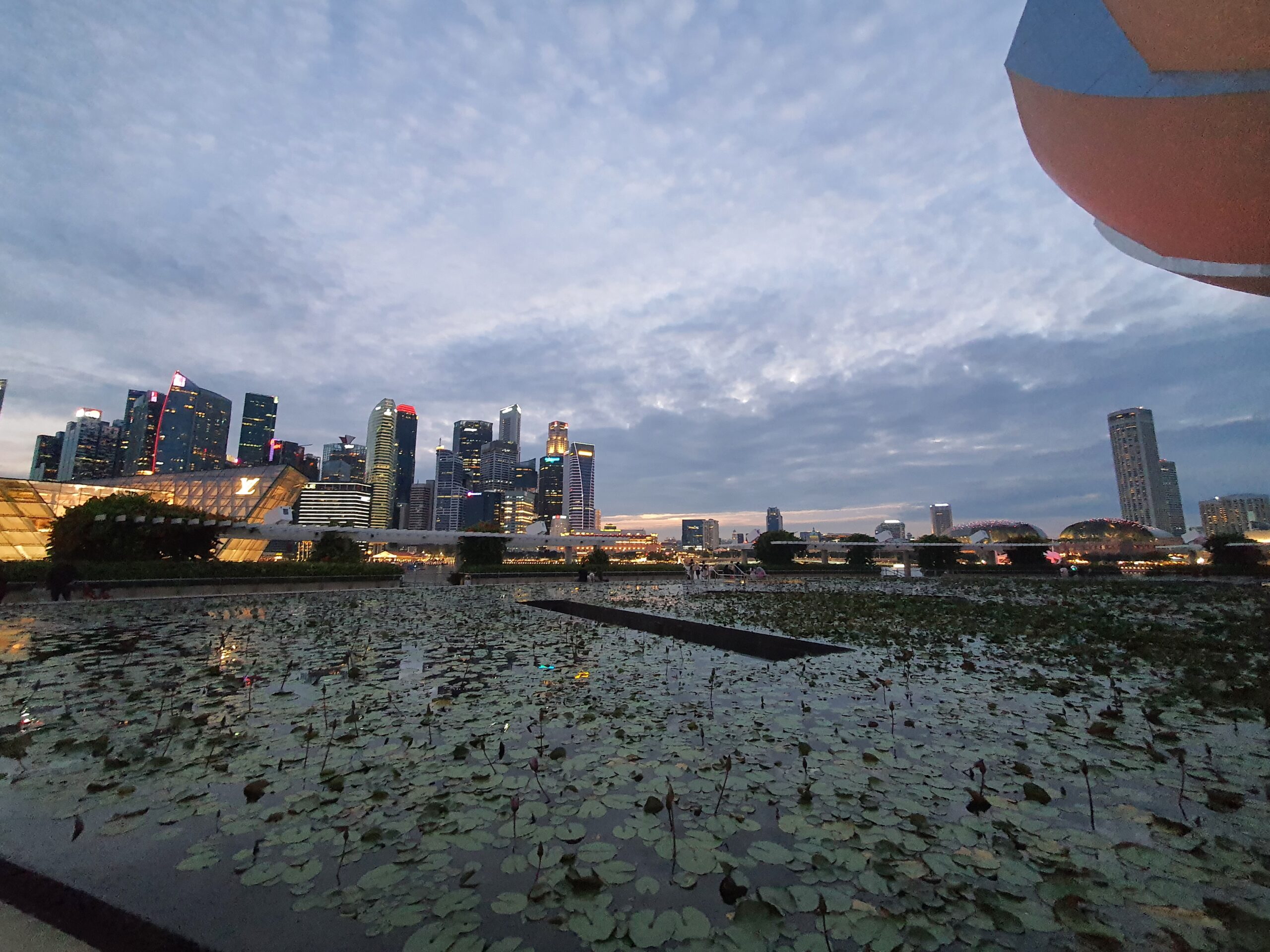
For all the modern skyscrapers and cool architecture (like MBS and Esplanade) in the CBD, you can really get to know Singapore and the locals in the “suburbs” what they call they the Heartlands here. From the small coffeeshops with uncles sipping their kopi, laundry hanging on poles, cats and chickens wandering around, small mom-and-pop stores where neighborhood kids go to buy Milo and Pokka tea after school, to the aunties pushing their small carts full of groceries from the wet market; this is the closest I’ll ever get to the old “kampongs” and how Singaporeans grew up in the 70’s and 80’s. If you live downtown and only venture out to go to Pulau Ubin or the Zoo, you’ll be missing a lot of the “real” Singapore.
Shophouses contrasted by a modern apartment skyscraper — Photo by Nicholas Braman
4. Preserved buildings
I love the shophouse aesthetic and the fact that Sinagpore has kept this style of building throughout the city. Originally these were built as shops where the family could run their business on the ground floor, and have their living quarters above. But now there are many that are fully for commercial use with things like gyms, restaurants and bars, preschools, hairdressers and all kinds of other businesses on the upper floors. There are plenty of cities around the world with preserved architecture and monuments, but what I really like is that these buildings are still being used and are part of the living fabric of the city, not just closed off to look at.
5. Local’s dedication to fitness
One of the first things I noticed after moving to Singapore was how busy the streets and parks are in the evenings with people jogging, walking, cycling and other forms of exercise. All the parks have gym equipment built in that is mostly for older people to do simple exercises, but you’ll see plenty of young people using the equipment for pushups, pullups, and ab workouts as well. There are also a very high number of gyms per capita here compared to what I was used to, and the gyms are usually super nice with showers, towel service and all kinds of other amenities. There is also a huge range of price points to fit everyone’s budget, from the almost free government-sponsored gyms to high-end personal training boutiques that cost a couple of hundred dollars per session. You can really see how much Singaporeans care about fitness when you walk around, with almost everyone looking healthy and fit.
6. Singaporean pride
This is a bit of a funny one coming from an American. But I feel that Singaporean pride is very different than the nationalism of some other countries. And Singaporeans certainly deserve to be proud of the country’s success and what they have built in the last 60 or so years. I think the pride here is less toxic than in other countries because there are no delusions of world domination or racial/cultural superiority. Singapore has been pragmatic and made with the guidance of its leaders, especially Lee Kwan Yew, has made a place for itself in the global order where they are punching far above their weight. Sure there are some issues with xenophobia like in all countries, but for the most part the Singaporeans I’ve seen have a healthy pride for their country, and rightly so.
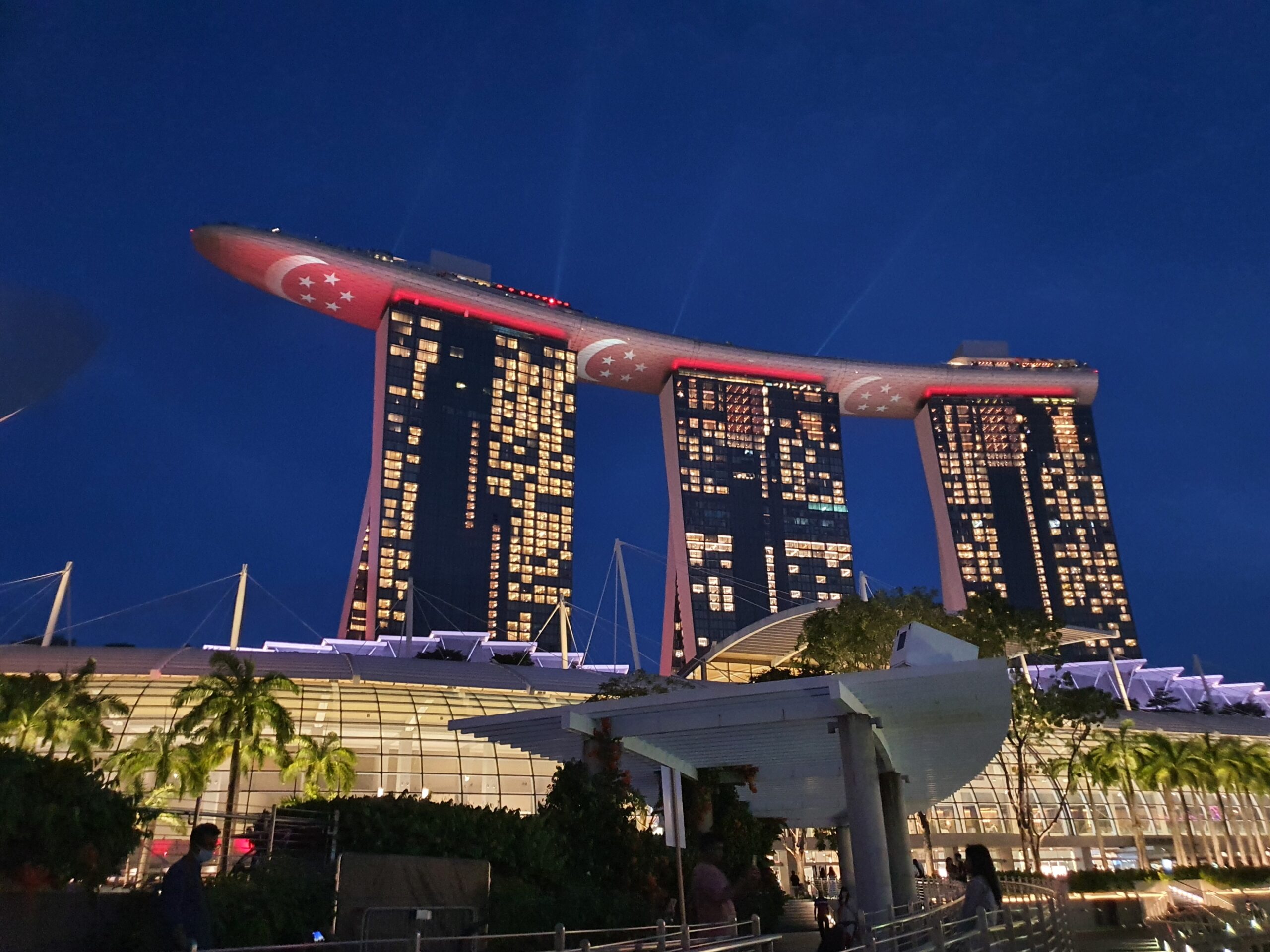
Singapore CBD lit up in red for National Day — Photo by Nicholas Braman
7. Friendliness
Some people may disagree with me on this point. Singapore is not known for being a friendly country like Thailand, and it is a common trope that people don’t talk to each other in elevators or on the street like in some Western countries. However, I have found people to be more friendly than expected, and also happy to help if you ask. I grew up in Washington State, which is known for the “Seattle Freeze”, where people are friendly to your face, but don’t ever really let you into a deep friendship. I don’t feel there is any of that here, and although it can sometimes be difficult because Singaporeans have so many friends from different phases and areas of their lives. I have made lots of great friendships, and when people say they want to hang out, they actually follow through with it!
8. Worldliness of locals
This is a huge contrast from growing up in the US where many people don’t even have their passports, or if they do have only gone to Mexico. Singaporeans are extremely well-traveled and knowledgeable about the world in general. I have lots of friends who have done really cool trips like hiking in the Alps or Hindu Kush, road-tripping around Australia, or visiting many of the American national parks. That’s in addition to the standard sightseeing, eating and shopping trips to nearby locales like Thailand, Korea, and Japan. This makes a big difference in everyday life, the kinds of conversations you have with friends, and makes for a more well-rounded and open-minded society.
I hope you’ve enjoyed this list of surprising things I love about living in Singapore! Of course, all the things Singapore is well-known for are amazing too, especially the food. But it is small things like these that have made me settle down here and look forward to raising my daughter in this amazing country.