Tag: Development

  • What My Layoff Taught Me About Adaptability

    What My Layoff Taught Me About Adaptability

    I wrote this reflection after realizing how much being laid off taught me about adaptability. Two years ago, I got laid off out of the blue. It taught me something important: resilience helps you survive, but adaptability helps you thrive. We often hear about how important resilience is, and while it’s true that resilience helps you keep going during tough times, if you aren’t adapting at the same time, you could get stuck in survival mode and find it impossible to break out of the situation. 

    Our team was doing well and hitting our targets, so the news was a complete shock. I was lucky that many of my colleagues were going through the same thing, and we supported each other through messages and coffee meetups. But as the days passed and my application tracker got longer, I realized applying for jobs didn’t feel like enough. I needed to do more than just find a replacement for what I lost. I wouldn’t have called it that at the time, but looking back, I can see I was reframing the situation, putting adaptability into action by changing my perspective and not getting stuck in my thinking. 

    I started not only applying for jobs, but putting my experience and skills to work writing articles, reaching out to my network, and growing my personal brand. I wasn’t just surviving the tough time by trying to get back to employment; I was proactively adapting to the situation and using my new free time to start building something for the future. If I had focused on resilience, I would have been bogged down in the day-to-day of job applications, waiting for interviews, and stretching my savings. But because I had this feeling of needing to do more, I was able to adapt to the situation and grow.

    I was fortunate to be hired at an amazing company for a position with more growth opportunities than my previous job. But through this experience and by adapting to the situation and moving beyond survival mode, I gained more than my new role. By writing articles about marketing, I clarified my own thinking about my field and got better at articulating what I do and why I do it. By publishing more on LinkedIn and Medium, I took steps that built confidence in expressing myself publicly and sharing my views with the world. By starting this newsletter, I built a habit and audience that has been growing until now. Without this new confidence and openness to being more public with my life, it isn’t likely I would have started my podcast, which has almost 7,000 listeners in the last year.

    None of this was pre-planned, I wouldn’t have been able to tell you what the end result, or even the goal was back then. But with hindsight, there’s a clear chain of events that led to where I am today.

    Adaptation isn’t always clear-cut; it can be messy. You don’t need to know exactly where you’re going to get moving. The important thing is to shift beyond resilience to growth. So next time you’re in a tough situation, try to remember to change your perspective, reframe the situation, and adapt to grow.

    If you liked this, you might also enjoy:

  • The Six Key Skills of Adaptation

    The Six Key Skills of Adaptation

    The Six Adaptation Skills We Need
    This week on my ongoing quest to learn more about adaptability after realizing how central it has been to the success of my life and my guests on the podcast, I read psychologist Andrew Martin’s 2013 study on adaptability this week.

    One thing I found was that they used a set of 9 criteria to determine how adaptable someone is. As I was reading through them I realized that they made sense as a set of definable skills we can work on improving, not just a matrix to be judged on.

    I’ve distilled them into six key skills we need to become more adaptable:

    1. Visualize multiple options: See more than one path forward when things shift.
    2. Change the way you think: Reframe how you interpret a situation so you can move through it more effectively.
    3. Seek support from others: Draw on people, information, and resources instead of trying to handle everything alone.
    4. Try new ways of doing things: Be willing to experiment when the old approach no longer works.
    5. Minimize negative emotions: Manage fear, frustration, or stress so they don’t take over.
    6. Elevate positive emotions: Find optimism, curiosity, or joy in uncertainty.

    We often think of adaptability as something static, but together, these subskills form the foundation of adaptability as a competency we can practice and strengthen over time.

    Adaptability isn’t about reacting faster, it’s about responding smarter. These six skills form the base of what I now think of as an adaptability practice: something we can notice, reflect on, and refine with intention.

    If you liked this, you might also enjoy:

  • Why Adaptation Is the Most Overlooked Skill for Growth

    Why Adaptation Is the Most Overlooked Skill for Growth

    Of all the skills that shape how we grow, adaptation might be the one we notice least. We praise resilience after things go wrong and innovation when things go right, but adaptability is what makes both possible.

    After 30 episodes of Before We Get There Podcast, there’s one clear theme that runs through each guest’s story that helped them get to where they are today, adaptation. I believe that adaptability is the key skill in life that people aren’t thinking about improving enough. Studies show that the ability to adapt is directly correlated with overall life satisfaction and mental well being, but we don’t usually think about how skilled we are at it, and how we can get better.

    For example, Opera Tang was working a 9-5 corporate job and just dabbling in the world of drag when she suddenly got retrenched. Instead of doing what many of us would, frantically scramble to send out applications and land another role as quickly as possible. She paused and reframed the situation into an opportunity instead of a setback. She decided to try to make a living by being a drag artist and quickly built out her influence, even getting collaborations with companies like Netflix and Carlsberg. When external factors force us to adapt, we too often rush into what we think the best path is instead of pausing, stepping back, and assessing if this opens opportunities we might not have ever taken on our own.

    On episode 27, I dug into the strategy and thought process Anthony Yeoh goes through at his restaurant Summer Hill. He shared that his adaptations, to a new location, different type of customers, and the food he is serving, starts with his sales numbers – but goes beyond that into envisioning the dining experience he wants his guests to have. When he realized that customers who didn’t come in large parties often wouldn’t try his signature chicken dishes, he started thinking about how to facilitate the opportunity for guests to try a larger variety of food in one sitting. This led to him adapting a “dim sum style” brunch, where diners get small portions of many dishes instead of one plate or just a few things to share. That adaptation took creativity and courage, to not just make small optimizations, but to develop a whole new format of the dining experience.

    After reflecting on my guest’s journeys and my own life, I realized how important our ability to adapt is. The American Psychological Association defines adaptability as “The capacity to make appropriate responses to changed or changing situations; the ability to modify or adjust one’s behavior in meeting different circumstances or different people.” In our daily lives we have to adapt all the time, from external factors like the people or situation around us changing, and internal factors like not being happy where we are in life or the feeling of wanting to do something. But most of the time, we just push through without stopping to notice how we’re adapting, or how we might get better at it.

    What if we treated adaptability like EQ, leadership, or public speaking, a skill worth training deliberately? I believe the payoff is huge: less stress, more opportunity, and a better chance of building a life that actually fits.

    Adaptation doesn’t make change easy, but it makes growth possible. It’s the skill that holds everything else together, and the one we need to practice most intentionally.

    If you liked this, you might also enjoy:

  • My “Wasted” Years: From Shame to Gratitude

    In November of 2007, I moved back to my hometown of Seattle after two years of living and working in Shanghai, China. For those two years, starting when I was 20, I felt like I had made it. I was making good money for my age, and the living costs there, I had a nice apartment, girlfriends, I had successful expat friends, a monthly poker night, a maid, and I even bought an electric scooter. That all came to a screeching halt when the school I was teaching English at wasn’t able to renew my work visa. In my heart, I knew the timing was right. I needed to go back and finish my last two years of college, I didn’t want to end up as a 40-year-old ESL teacher. But at the time, it was heartbreaking. I felt like I was losing my life.

    My apartment in Shanghai when I was 20 years old

    On a dreary Seattle day, I landed back home. While I was waiting for my application to the University of Washington to go through, I needed to get a job. I didn’t have a lot of cash saved up, or even a car to get around. I applied to a bunch of places within walking distance and ended up getting hired at an Asian supermarket. I’d worked similar jobs before. The last time I had lived in the states, I had saved up money for the move to China by first working on a fisher processor in the Bering Sea, and then a summer of double shifts at Burger King and Dunkin’ Donuts. The supermarket felt nice at first, the owners were Malaysian Chinese, and a lot of the other workers were immigrants or international students. Eventually, I also started working at the IHOP across the parking lot, and then, after a lot of crazy events, including getting fired for eating hash browns that someone made by mistake, I moved on to other serving, short-order cook, bartending, and food delivery jobs.

    Most of the time, I wasn’t very happy. I met some amazing people and had fun, but the work was hard and the pay meant living paycheck to paycheck. The treatment by both managers and customers wasn’t always great, and sometimes even crossed the line. From being yelled at or told I would be fired if I didn’t cover for someone with no notice or being forced to record bathroom breaks, to being called racial slurs by drunk diners. It wasn’t pretty a lot of the time, but I stuck with it to pay the bills, at least some of them.

    After I started working in marketing, I downplayed this part of my working life as much as I could. To be honest, I was ashamed. For a long time, I felt like those jobs made me less than other peers who went straight from college to working in the field of their major. I felt like I was behind where I should be, and less qualified for “wasting time” at those jobs. I’ve only just started to realise that I wouldn’t be who I am today, both personally and professionally, if it weren’t for those jobs. I don’t mean it in a “I understand marketing better because I used to sell shots of Fernet to hipsters.” or “Cooking brunch for 150 tables on Mother’s Day made me good at multitasking.” sort of way. I mean I wouldn’t appreciate the work I do now or the life I have if I hadn’t eaten all that shit.

    Several things led up to this realization, some Reddit threads on people being too “proud” to get a job outside of their field, some Caleb Hammer episodes with guests who looked down on dead-end jobs. And the thought popped into my head that I want my daughter to work a job like that while she’s in school or starts a career. I’m not saying that I’m a boomer who wants my kids to have to work for everything and start at the bottom. I hope to pay for her schooling and give her as much of a head start as possible. But, I want her to experience working in the service industry or doing manual labor, so she understands what it’s like for the rest of her life when she’s a customer.

    I actually caught myself thinking the other day when I was flying out of Changi Airport and noticed the staff entrance by the Starbucks, there was a cleaner there already working at 8am. I was picturing her waking up at 5am or 6am and taking a bus, and then the train to get to work, and changing into her uniform to begin a long shift. And I thought to myself, I can’t imagine having to do that. And then I remembered, I actually can imagine doing that, because I did it for years.

    I’m sure empathetic and socially aware people can put themselves in the shoes of people working blue-collar or service jobs. But I’m not sure if everyone can truly feel the weight of being stuck at that kind of job, beholden to customers and assistant managers, clocking in and out day after day for minimum wage unless you’ve lived that life. So, going forward I’m not going to shy away from that part of my life story, it isn’t something to be ashamed of or to avoid talking about in fear of being looked down on. I’m proud of working those jobs, they are mentally and physically harder than any stress from deadlines and KPIs in my current career. They made me who I am today, and I wouldn’t have it any other way.

    On my podcast, Before We Get There, I talk to interesting people like athletes, creatives, entrepreneurs, and more — about their journeys and often uncover times in their life like this that brought them to where they are today. You can find all of the episodes here.

  • Erica Eng on Rejection, Reflection, and Finding Freedom Through Art

    Erica Eng on Rejection, Reflection, and Finding Freedom Through Art

    Intro

    Erica Eng is a Malaysian comic artist and illustrator best known for her Eisner Award–winning graphic novel Fried Rice. Her work captures the quiet beauty of everyday life in Malaysia — the routines, the rituals, and the relationships that shape who we are.

    In this conversation, Erica talks about her creative journey from drawing as a child to publishing Fried Rice, a webcomic that started as a personal story and went on to win one of the world’s highest honors in comics. She shares the lessons she’s learned from rejection, why storytelling is a form of therapy, and how faith and family keep her grounded as she continues to create.

    Story Highlights

    • How childhood memories and book illustrations sparked her love for art
    • Applying to her dream school, getting rejected, and finding inspiration in that moment
    • How Fried Rice began as a webcomic and grew into an Eisner-winning book
    • Writing from personal memories and everyday Malaysian life
    • Balancing animation work, faith, and creative projects after graduation

    Quote

    “I idealized this journey of becoming an artist and going to a particular school and being successful in a particular way. But in the end, it was not an acceptance letter, it was a rejection letter.”

    About Erica Eng

    Erica Eng is a Malaysian comic artist and illustrator whose debut work, Fried Rice, won the prestigious Eisner Award for Best Webcomic in 2020. Her art is known for its quiet storytelling, capturing slices of life that reflect memory, faith, and belonging. Erica has spoken at creative and literary events including TEDx, and her book is now available in print across Malaysia and Singapore. Alongside her illustration work, she continues to explore new projects that merge art, writing, and reflection.

    Why This Conversation Matters

    Erica’s journey is about perseverance through rejection and the power of storytelling to make sense of life. Her honesty about faith, doubt, and creative growth reveals that success isn’t just about achievement — it’s about staying true to your calling even when the path shifts.

    Turning Points

    Erica’s defining moment came not with success but rejection — the email from her dream art school that didn’t go her way. That disappointment became the seed for Fried Rice, a story about ambition, family, and quiet resilience. Publishing it online led her to unexpected recognition, including the Eisner Award that changed her career. Later, working in animation and balancing faith reshaped how she sees success: not as fame or validation, but as faithfulness to her craft and her voice.

    Key Lessons

    • Rejection can redirect you. The “no” you fear might lead to the work you’re meant to create.
    • Everyday life is worthy of art. The ordinary can be extraordinary when seen with care.
    • Faith grounds creativity. Spiritual practice gives meaning beyond recognition.
    • Let the work lead you. Focus on the story, not the outcome.
    • Keep learning. Growth is about curiosity, not control.

    If You Enjoyed This Episode

    You might also like:

  • From Boxing Gloves to BBQ: 5 Life Lessons from an Unconventional Journey

    From Boxing Gloves to BBQ: 5 Life Lessons from an Unconventional Journey

    Sometimes, life takes us on unexpected journeys. My recent podcast guest is a testament to this, seamlessly weaving together two worlds that seem worlds apart: professional boxing and culinary entrepreneurship. From winning a prestigious boxing title to building a unique fusion food brand, their journey is packed with lessons on grit, passion, and adaptability. Here are the top five takeaways from our conversation, offering insights that can inspire anyone pursuing their dreams.


    1. Passion Transforms into Opportunity

    Every great story starts with a spark, and for my guest, that spark came during culinary school. What began as a fascination with curing and smoking meat turned into a small home-based business, smoking bacon in a backyard grill. They started by selling to chef friends, and through Instagram marketing, what was once a personal experiment quickly gained traction.

    This journey teaches us that passion is the first ingredient in the recipe for success. But passion alone isn’t enough—it’s the action you take, no matter how small, that transforms an idea into something tangible. Starting small doesn’t limit you; it lays the groundwork for future growth.

    If you have a passion project waiting on the sidelines, ask yourself: what’s stopping me from taking that first step today?


    2. Resilience is the Foundation of Success

    Success isn’t a straight line; it’s a winding path full of setbacks and comebacks. For my guest, this was true both in the boxing ring and in business. Early losses in their professional boxing career, including a controversial decision that felt like a “robbery,” were tough to swallow. Similarly, their initial ventures in the food industry weren’t all smooth sailing. They faced challenges like finding the right location, adapting to customer needs, and learning the nuances of restaurant management on the go.

    But what stood out was their perspective: setbacks aren’t roadblocks, they’re lessons. In boxing, a loss isn’t the end; it’s a chance to improve, to come back stronger. In business, a failed approach is an opportunity to pivot and innovate. This mindset of resilience—taking challenges in stride and moving forward—offers a blueprint for overcoming adversity in any area of life.


    3. Success is a Team Effort

    One of the most striking aspects of my guest’s journey was their deep appreciation for community. In boxing, their bond with their coach and gymmates created a support system that fueled their growth. Similarly, in business, their family and close friends played an integral role, from helping with grueling early-morning smoke sessions to encouraging them to keep pushing forward.

    This highlights a crucial lesson: success is rarely a solo endeavor. Behind every milestone is a network of people who lend their support, whether it’s through guidance, hands-on help, or simply being there during tough times. Building and nurturing these connections is as important as honing your craft.

    For anyone feeling overwhelmed by a big dream, remember: you don’t have to do it alone. Lean on your community, and don’t be afraid to ask for help.

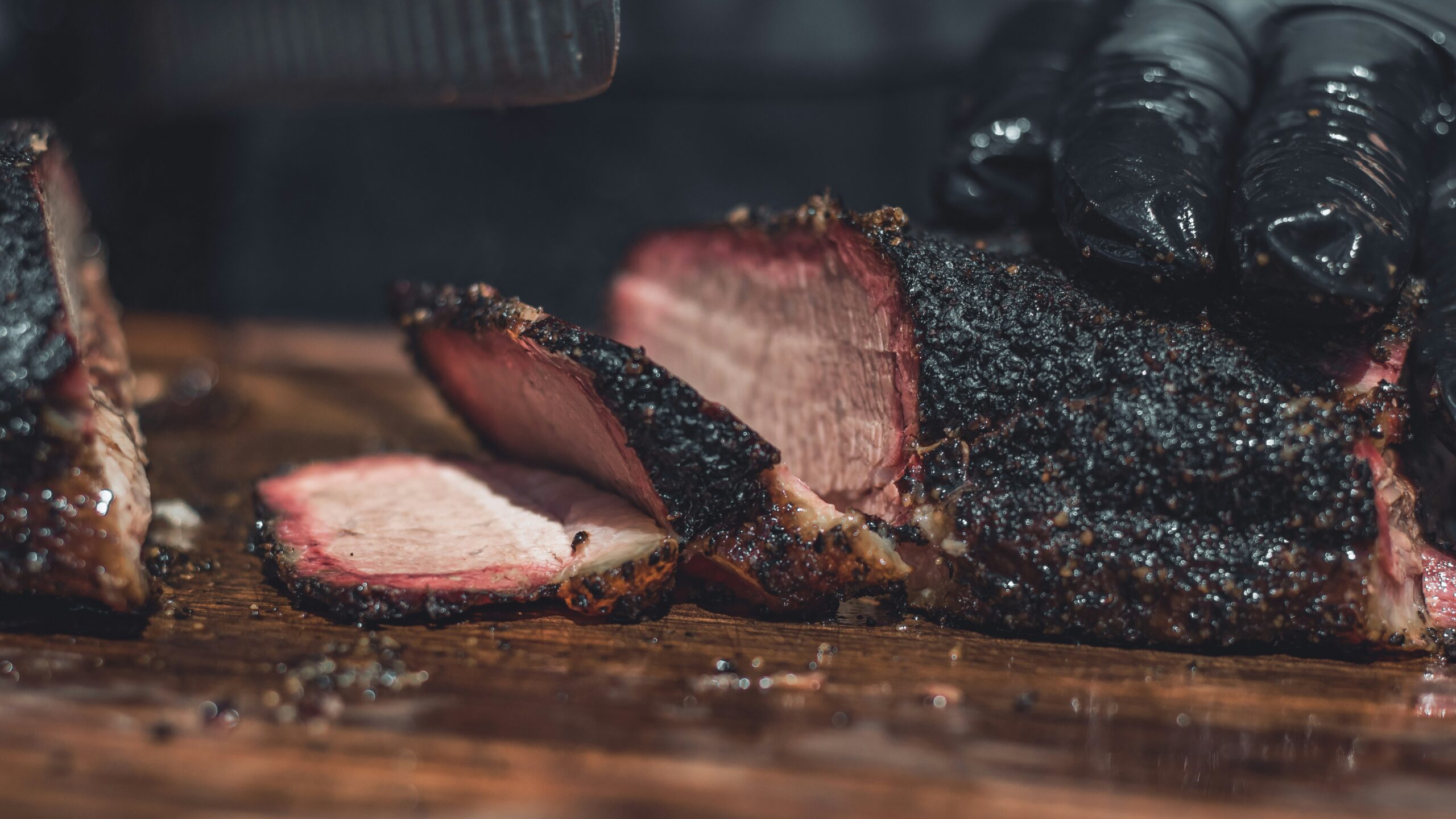
    Photo by mintosko on Unsplash

    4. Adaptation is the Key to Growth

    If there’s one word that defines my guest’s journey, it’s adaptability. After finding initial success selling smoked bacon, they scaled their operations, opened a virtual restaurant in a cloud kitchen, and eventually transitioned to a dine-in restaurant. But this wasn’t a straightforward process. For example, their business in the cloud kitchen struggled to convey the essence of their Texan-Japanese barbecue concept, leaving customers confused and orders inconsistent.

    Rather than sticking rigidly to a failing model, they adapted. Moving to a physical restaurant space allowed them to interact directly with customers, share the story behind their food, and create a more immersive experience. They even invited regulars into the kitchen to see the smoking process firsthand, building a deeper connection with diners.

    The takeaway? Listening to feedback and being open to change can turn challenges into opportunities. Whether you’re running a business, pursuing a creative project, or simply navigating life, flexibility is a superpower.


    5. Balancing Ambition with Well-Being

    Balancing multiple passions—boxing and running a restaurant—is no easy feat. My guest described a grueling schedule: training six days a week in the mornings, managing restaurant operations throughout the day, and closing shop late at night. This relentless pace, compounded by the physical demands of weight-cutting and fight preparations, took a toll on their body and mind.

    While they managed to power through, they’ve since decided to take a short hiatus from boxing to focus on their business and health. This decision reflects an important lesson: ambition is admirable, but it should never come at the expense of your well-being. Learning to recognize when to push and when to pause is crucial for sustaining long-term success.

    If you’re juggling multiple priorities, take a moment to assess whether you’re giving yourself enough space to rest and recharge. Sometimes, slowing down is the fastest way forward.


    Final Thoughts

    What resonated most with me during this conversation was the idea that success isn’t about following a single straight path—it’s about navigating the twists and turns, learning from every stumble, and adapting to whatever comes your way. Whether you’re stepping into a boxing ring or launching a business, the principles of resilience, adaptability, and community apply universally.

    If this story sparked any reflections or lessons for you, I’d love to hear them. What challenges have you faced in pursuing your passions, and how did you overcome them? Let’s chat in the comments below—I’m always eager to hear your thoughts.

    Listen to the full podcast here:
    Youtube: https://youtu.be/yElYpWaLdF8
    Spotify: https://open.spotify.com/episode/0WZXin0EtfuvPnitj6xiJm?si=127f874e6fe54f3a

    And as always, stay tuned for more inspiring stories and lessons from my guests. Until next time!

  • 5 Insights on Growth and Discipline from Game Design to Jiujitsu

    5 Insights on Growth and Discipline from Game Design to Jiujitsu

    In this latest episode of Before We Get There, my guest shared valuable insights from decades of experience in both the gaming industry and Brazilian Jiujitsu. With a career spanning game development and teaching, alongside years of disciplined training in martial arts, his journey provided profound lessons on perseverance, adapting to challenges, and the pursuit of personal growth. Here are the top five takeaways from our conversation:

    1. The Reality Behind Dream Careers

    Many aspiring professionals see the gaming industry as a dream job filled with fun and creativity. However, my guest emphasized that game development is far from just playing games or having Nerf gun battles in the office. It’s a demanding field, akin to any major software development project, with tight deadlines, budget constraints, and immense pressure to deliver. The lesson? Passion for the product must be paired with a love for the process, or the reality might fall short of expectations.

    2. Perseverance Outlasts Talent

    One of the most resonant themes was the importance of perseverance. In Brazilian Jiujitsu (BJJ), my guest described how he spent years returning to training despite repeatedly feeling defeated and questioning his progress. He highlighted that while natural talent is impressive, it’s often those who simply keep showing up—no matter how tough it gets—who see the most success over time. This applies broadly: resilience and the willingness to endure challenges often outweigh initial skill or talent.

    Photo by Cesar Millan on Unsplash

    3. The Transition to Teaching and New Challenges

    After a successful run in game development, my guest shifted to teaching game design. This transition was driven by burnout from the high-pressure industry and a desire for a change of pace. Teaching brought its own set of challenges, including working with younger students who lacked professional experience. However, he adapted by recognizing the importance of nurturing enthusiasm and professionalism in his students, understanding that not everyone enters with the same motivation.

    4. Progress Requires Ownership and Active Learning

    In both game design and BJJ, growth doesn’t happen passively. My guest’s approach to continuous improvement involved taking ownership of his learning process—setting specific goals, practicing new techniques, and studying extensively on his own time. In game design, this meant meticulous testing and iteration. In BJJ, it involved trying new moves repeatedly, regardless of immediate success. The takeaway? True progress requires an intentional, proactive mindset.

    5. Discipline is the Foundation for Longevity

    Staying active and capable over the years comes down to discipline. Whether maintaining a clean diet to support training or knowing when to modify intensity to avoid injury, my guest’s routine highlighted that self-regulation is key. Discipline isn’t just about strictness; it’s about making choices that align with long-term goals over immediate gratification. This approach has allowed him to continue training intensively even into his late 40s.


    These lessons from our conversation underscore that resilience, continuous learning, and self-discipline are what truly sustain growth and fulfillment, whether in high-stakes careers or personal passions. Embracing these values can help anyone navigate their journey, no matter the field.

  • Inside the Journey of a Marketer: 5 Lessons in Authenticity and Career Growth

    Inside the Journey of a Marketer: 5 Lessons in Authenticity and Career Growth

    On my second episode of Before We Get There, I sat down with a guest whose marketing journey was anything but traditional. He shared valuable insights, from early setbacks in life and battling imposter syndrome to balancing life and work. Here are the top takeaways for those looking to grow both professionally and personally.

    1. Authenticity Isn’t Just a Buzzword, It’s Essential
    One of the most important points my guest emphasized was the role of authenticity in building a personal brand, particularly on LinkedIn. In a space often criticized for its “overly professional” or even inauthentic vibe, he found that staying true to himself brought a strong following and meaningful engagement. He learned that being genuine isn’t just about what you say, but about engaging consistently, and connecting with others on a deeper level. For anyone looking to grow their network or build a brand, his advice is clear: authenticity is what will make you stand out and attract the right audience.

    Photo by Nick Morrison on Unsplash

    2. Imposter Syndrome Is Part of the Journey
    He admitted that self-doubt—often called imposter syndrome—is something he still encounters. Seeing seasoned professionals with extensive careers often made him question whether his content was “good enough.” His approach to overcoming this was focusing on why he was sharing in the first place: to connect, to learn, and to help others. Staying grounded in his purpose helped him keep perspective, reminding him (and all of us) that even the most experienced professionals feel this way at times.

    3. Embrace a Nonlinear Career Path

    The guest’s career path was far from linear. He started out in business development before moving into marketing, giving him a unique perspective on both roles. This broad experience, he explained, actually strengthened his abilities in marketing by giving him insight into different facets of business. For anyone with an unconventional path, this serves as a reminder that varied experiences can be powerful assets, bringing a well-rounded perspective to any role.

    4. Don’t Be Defined By the Conventional Path
    Rather than sticking strictly to traditional career metrics like job titles and salaries, my guest discussed the importance of finding fulfillment beyond work. His perspective shifted over time, moving from “climbing the ladder” to finding a balance that allows him to prioritize family, health, and well-being alongside his career. This broader perspective is one we can all benefit from: success isn’t defined by external titles but by a fulfilling, balanced life.

    5. The Power of Adaptability and Staying Open to New Experiences
    In his career, my guest transitioned through various industries, from education to FMCG to technology. Each transition brought him fresh insights and valuable skills. He shared that working across industries kept him adaptable, teaching him how to thrive in different environments and teams. This adaptability ultimately led him to find his place in the fast-paced world of tech, where he feels right at home today. This conversation was a refreshing reminder of how much we can learn from others’ unique journeys. Whether you’re just starting out or looking to refine your path, these lessons provide a roadmap for approaching work—and life—with purpose and authenticity.

    This conversation was a refreshing reminder of how much we can learn from others’ unique journeys. Whether you’re just starting out or looking to refine your path, these lessons provide a roadmap for approaching work—and life—with purpose and authenticity.

    Find out who this guest is by watching on YouTube or listening on Spotify or Apple Podcasts.

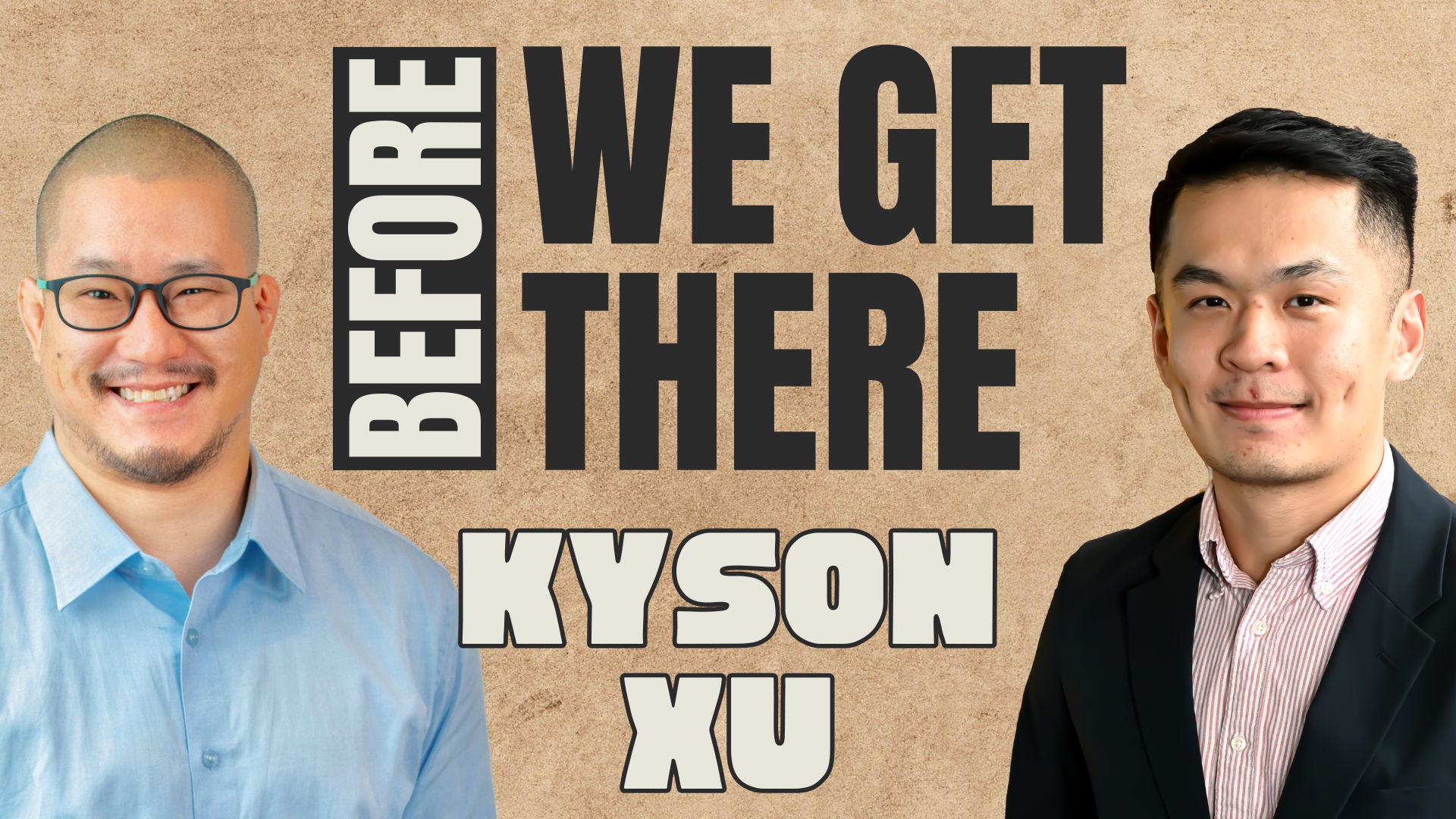
  • Kyson Xu on Personal Branding, Perseverance, and Building a Career with Heart

    Kyson Xu on Personal Branding, Perseverance, and Building a Career with Heart

    Intro

    Kyson Xu is a marketing professional, content creator, and LinkedIn storyteller whose thoughtful posts on career growth, resilience, and authenticity have made him one of Singapore’s most relatable marketing voices. A former business development executive turned regional marketer, he’s built his career across industries — from education to FMCG to tech — while steadily growing his personal brand online.

    In this episode, we talk about Kyson’s journey from failing his A-levels to finding his footing in marketing, how he overcame imposter syndrome, and what it means to build a career that’s not just successful but meaningful. He shares lessons on LinkedIn growth, fatherhood, leadership, and how to keep showing up even when life doesn’t go as planned.

    Story Highlights

    • How failing his A-levels became a turning point in his life
    • Moving from business development to marketing
    • Growing an authentic personal brand on LinkedIn
    • Lessons on engagement, content, and community
    • Redefining success as balance, not status

    Quote

    “You fall down seven, you get up eight. That’s the spirit I think all of us should have, regardless of whatever environment we’re caught up in. It’s always about moving forward, understanding what worked, what didn’t work, and how we can do better.”

    About Kyson Xu

    Kyson Xu is a Singapore-based marketer and content creator known for his authentic, high-engagement presence on LinkedIn. With a background spanning sales, FMCG, and technology, he has built a career rooted in curiosity and resilience. Kyson is also a husband and father, balancing work, family, and personal growth while mentoring young professionals on building sustainable careers and personal brands.

    Why This Conversation Matters

    Kyson’s story is a reminder that success isn’t linear. His journey from academic setbacks to professional stability shows how persistence, self-awareness, and authenticity can redefine what achievement looks like. For anyone navigating uncertainty or feeling behind, this episode offers perspective on progress, humility, and the quiet power of consistency.

    Turning Points

    After failing his A-levels, Kyson questioned everything — his education, his direction, his worth. Over time, he found clarity through small steps, moving into business development and later into marketing, where his curiosity and people skills flourished. His transition into tech and content creation gave him the freedom to combine creativity and impact. As he built a family, he also redefined success: not as position or pay, but as balance, kindness, and fulfillment.

    Key Lessons

    • Authenticity builds trust. Your real voice attracts the right audience.
    • Failure is feedback. Every setback helps refine your direction.
    • Consistency compounds. Show up, even when it’s uncomfortable.
    • Work-life balance is built, not found. Life comes before work.
    • Success is kindness. Leadership is about integrity and care.

    If You Enjoyed This Episode

    You might also like:

  • The Weekend Wind-Down #5 – March 24, 2024

    The Weekend Wind-Down #5 – March 24, 2024

    I had a great week here in Singapore with a fantastic user event and a lot of productive meetings. Here’s this week’s list of tidbits to help you wrap up the weekend!

    Most interesting study this week
    Singapore is known for its long work hours, hustle culture, and competitive work and school environments. However, it was ranked the happiest country in Asia once again according to the World Happiness Report. I was interested to see that the happiness ranking started off lower (50th globally) for people under 30, and rose through each age bracket until peaking (26th global) for people over 60. Overall Singapore ranked 30th globally, just behind Saudi Arabia and Kosovo. Singapore is amazing and the convenience, safety, food, public parks, and melting pot of people are just some of the reasons I’m personally very happy here and am glad to have made it my home.

    https://www.straitstimes.com/singapore/singapore-ranked-happiest-country-in-asia-for-two-years-running-30th-happiest-globally

    What I listened to this weekend
    One of my favorite podcasts is Talks at Google, I like the straightforward format and quality of the speakers and content. This week’s episode featured Rudrani Chettri, a champion for LGBTQ rights in India, she has founded several initiatives including BOLD, the first transgender modeling agency in India (and one of the few in the world). It was amazing to hear her story and the work she has done, well worth a listen!

    Best email I got this week
    While preparing for a new ABM campaign I came across a tool called SendSpark that scales video messaging. I signed up for a free trial and was super impressed with the welcome email I got (pictured below). I like that it is short and to the point, the subject line is unusual and eye-catching, and it is sent from the CEO herself. I also think it is a great idea to ask these two questions right off the bat, which allows SendSpark to get intel on their competitors as well as spark a conversation with new users.

    What I’m watching this weekend
    I’m a huge fan of food shows so after I finally signed up for Disney+, mainly to get access to all the kids’ stuff for my daughter, I started watching Uncharted with Gordon Ramsey. While I’ve enjoyed his shows like Hell’s Kitchen and Kitchen Nightmares (I even once worked at a restaurant that was featured on the show), I really am enjoying his humble attitude and seeing him explore other cultures and cuisines. He’s still cocky and a bit over the top, but he really acknowledges the quality of the local foods and chefs and tries to pay homage to them while integrating his culinary skills.

    Best marketing post I read this weekend
    Jon Miller, cofounder of Marketo, published the post The Marketing Playbook I Helped Create Doesn’t Work Anymore. Here’s the New B2B Marketing Playbook. There were many great points, but the one that caught my attention the most was when he talked about the over-reliance on lead generation campaigns and how we need to put more attention on awareness campaigns and “harder to measure branding”. He points out that buyers today prefer to stay anonymous longer and not have to fill out a form to view content. This resonates with me, as that is in line with what we are currently seeing and although I had to get used to the shift in ungated content and no lead-scoring, the results we are getting for inbound are true hand-raisers with high intent and fantastic conversion rates.

    Most heartwarming moment of the weekend
    I watched the original Lion King with my daughter for the first time and while she didn’t sit through the whole thing, I loved experiencing her excitement and dancing during the songs. The best part was when Simba was running around the cave playing with Mustafa at the start of the movie, he calls “Daaad, daaaaad!”, and my daughter started doing the same thing. We are going to the zoo next week and I can’t wait to see how excited she gets about the animals!

    That’s all for this edition, I hope you had a great weekend and wish you the best for the last week of Q1!

    Note: My goal is to eventually move this newsletter to email format which will land in your inbox every Sunday evening (Singapore time). Subscribe here if you want to receive this by email after I make the change.