Tag: career

  • My “Wasted” Years: From Shame to Gratitude

    In November of 2007, I moved back to my hometown of Seattle after two years of living and working in Shanghai, China. For those two years, starting when I was 20, I felt like I had made it. I was making good money for my age, and the living costs there, I had a nice apartment, girlfriends, I had successful expat friends, a monthly poker night, a maid, and I even bought an electric scooter. That all came to a screeching halt when the school I was teaching English at wasn’t able to renew my work visa. In my heart, I knew the timing was right. I needed to go back and finish my last two years of college, I didn’t want to end up as a 40-year-old ESL teacher. But at the time, it was heartbreaking. I felt like I was losing my life.

    My apartment in Shanghai when I was 20 years old

    On a dreary Seattle day, I landed back home. While I was waiting for my application to the University of Washington to go through, I needed to get a job. I didn’t have a lot of cash saved up, or even a car to get around. I applied to a bunch of places within walking distance and ended up getting hired at an Asian supermarket. I’d worked similar jobs before. The last time I had lived in the states, I had saved up money for the move to China by first working on a fisher processor in the Bering Sea, and then a summer of double shifts at Burger King and Dunkin’ Donuts. The supermarket felt nice at first, the owners were Malaysian Chinese, and a lot of the other workers were immigrants or international students. Eventually, I also started working at the IHOP across the parking lot, and then, after a lot of crazy events, including getting fired for eating hash browns that someone made by mistake, I moved on to other serving, short-order cook, bartending, and food delivery jobs.

    Most of the time, I wasn’t very happy. I met some amazing people and had fun, but the work was hard and the pay meant living paycheck to paycheck. The treatment by both managers and customers wasn’t always great, and sometimes even crossed the line. From being yelled at or told I would be fired if I didn’t cover for someone with no notice or being forced to record bathroom breaks, to being called racial slurs by drunk diners. It wasn’t pretty a lot of the time, but I stuck with it to pay the bills, at least some of them.

    After I started working in marketing, I downplayed this part of my working life as much as I could. To be honest, I was ashamed. For a long time, I felt like those jobs made me less than other peers who went straight from college to working in the field of their major. I felt like I was behind where I should be, and less qualified for “wasting time” at those jobs. I’ve only just started to realise that I wouldn’t be who I am today, both personally and professionally, if it weren’t for those jobs. I don’t mean it in a “I understand marketing better because I used to sell shots of Fernet to hipsters.” or “Cooking brunch for 150 tables on Mother’s Day made me good at multitasking.” sort of way. I mean I wouldn’t appreciate the work I do now or the life I have if I hadn’t eaten all that shit.

    Several things led up to this realization, some Reddit threads on people being too “proud” to get a job outside of their field, some Caleb Hammer episodes with guests who looked down on dead-end jobs. And the thought popped into my head that I want my daughter to work a job like that while she’s in school or starts a career. I’m not saying that I’m a boomer who wants my kids to have to work for everything and start at the bottom. I hope to pay for her schooling and give her as much of a head start as possible. But, I want her to experience working in the service industry or doing manual labor, so she understands what it’s like for the rest of her life when she’s a customer.

    I actually caught myself thinking the other day when I was flying out of Changi Airport and noticed the staff entrance by the Starbucks, there was a cleaner there already working at 8am. I was picturing her waking up at 5am or 6am and taking a bus, and then the train to get to work, and changing into her uniform to begin a long shift. And I thought to myself, I can’t imagine having to do that. And then I remembered, I actually can imagine doing that, because I did it for years.

    I’m sure empathetic and socially aware people can put themselves in the shoes of people working blue-collar or service jobs. But I’m not sure if everyone can truly feel the weight of being stuck at that kind of job, beholden to customers and assistant managers, clocking in and out day after day for minimum wage unless you’ve lived that life. So, going forward I’m not going to shy away from that part of my life story, it isn’t something to be ashamed of or to avoid talking about in fear of being looked down on. I’m proud of working those jobs, they are mentally and physically harder than any stress from deadlines and KPIs in my current career. They made me who I am today, and I wouldn’t have it any other way.

    On my podcast, Before We Get There, I talk to interesting people like athletes, creatives, entrepreneurs, and more — about their journeys and often uncover times in their life like this that brought them to where they are today. You can find all of the episodes here.
  • Ruby Tan on Adventure, Belonging, and Building a Life Outdoors

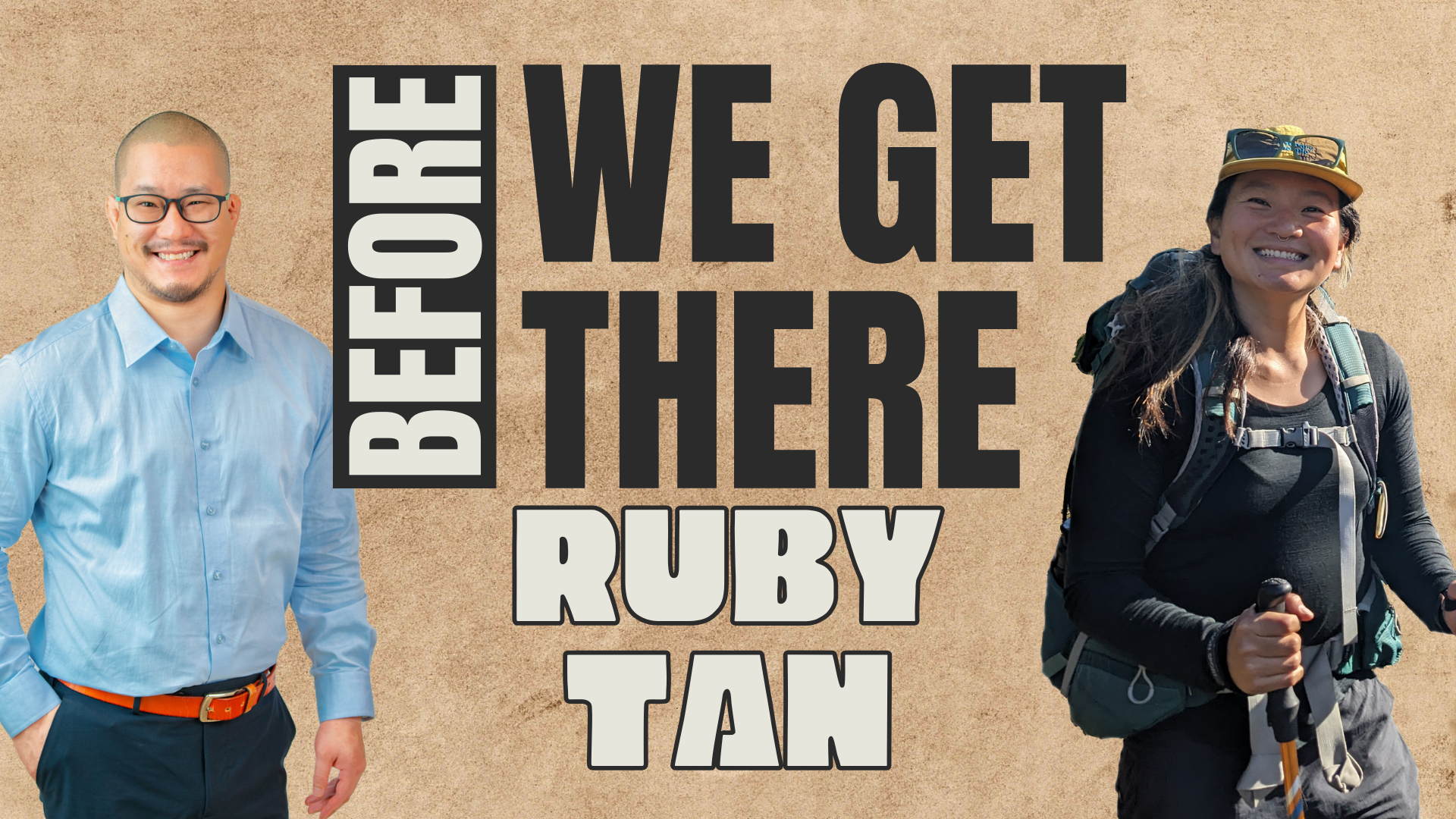
    Ruby Tan on Adventure, Belonging, and Building a Life Outdoors

    Intro

    Ruby Tan is a Singaporean outdoor instructor and adventure guide based in New Zealand. After years of searching for meaning in a fast-paced city life, she left her career in media to study outdoor education — a decision that took her from cubicles to classrooms under the open sky.

    In this conversation, we talk about how Ruby discovered her love for the outdoors, what it means to find belonging far from home, and how she rebuilt her life and identity through nature. From quitting her job and planting cucumbers in Nepal to kayaking and hiking across New Zealand, Ruby’s story is a lesson in courage, reinvention, and faith in the unknown.

    Story Highlights

    • Leaving a corporate job to pursue outdoor education in New Zealand
    • Discovering purpose through nature and guiding
    • Overcoming loneliness and depression after returning to Singapore
    • Moving between countries and learning to start again
    • Finding meaning in discomfort, resilience, and connection

    Quote

    “I just always had that faith that something will happen, the right thing will come along at the right time. All I knew at that point was I just needed to stop and go figure myself out. I had to come to this place of acceptance that I have to chase my dream without my mom’s approval.”

    About Ruby Tan

    Ruby Tan is a Singaporean outdoor educator and guide now based in New Zealand. She began her career in media before discovering her calling in nature, training in outdoor education, and later leading expeditions across Asia and Oceania. Through her work, she helps students and travelers connect with the natural world and themselves. Her journey from urban life to mountain trails is a story about courage, independence, and finding belonging in motion.

    Why This Conversation Matters

    Ruby’s journey shows that fulfillment sometimes requires walking away from comfort to find clarity. Her reflections on identity, mental health, and home reveal how joy can coexist with struggle, and how the wilderness can teach us what we forget in routine — presence, patience, and purpose.

    Turning Points

    Ruby’s first turning point came when she left a promising media career to work on a farm in Nepal, where she realized her need to live a life outdoors. Later, studying in New Zealand transformed that desire into a profession. Returning to Singapore during the pandemic challenged everything she’d built, forcing her to confront isolation, depression, and rediscovery. But through therapy, travel, and persistence, she found her way back to New Zealand — and to herself.

    Key Lessons

    • Trust your instincts. Faith often comes before clarity.
    • Discomfort reveals truth. Growth happens where comfort ends.
    • Home can change. Belonging is something we build, not inherit.
    • Rest is part of resilience. Even adventurers need stillness.
    • Meaning requires courage. Fulfillment is found by those willing to start again.

    If You Enjoyed This Episode

    You might also like:

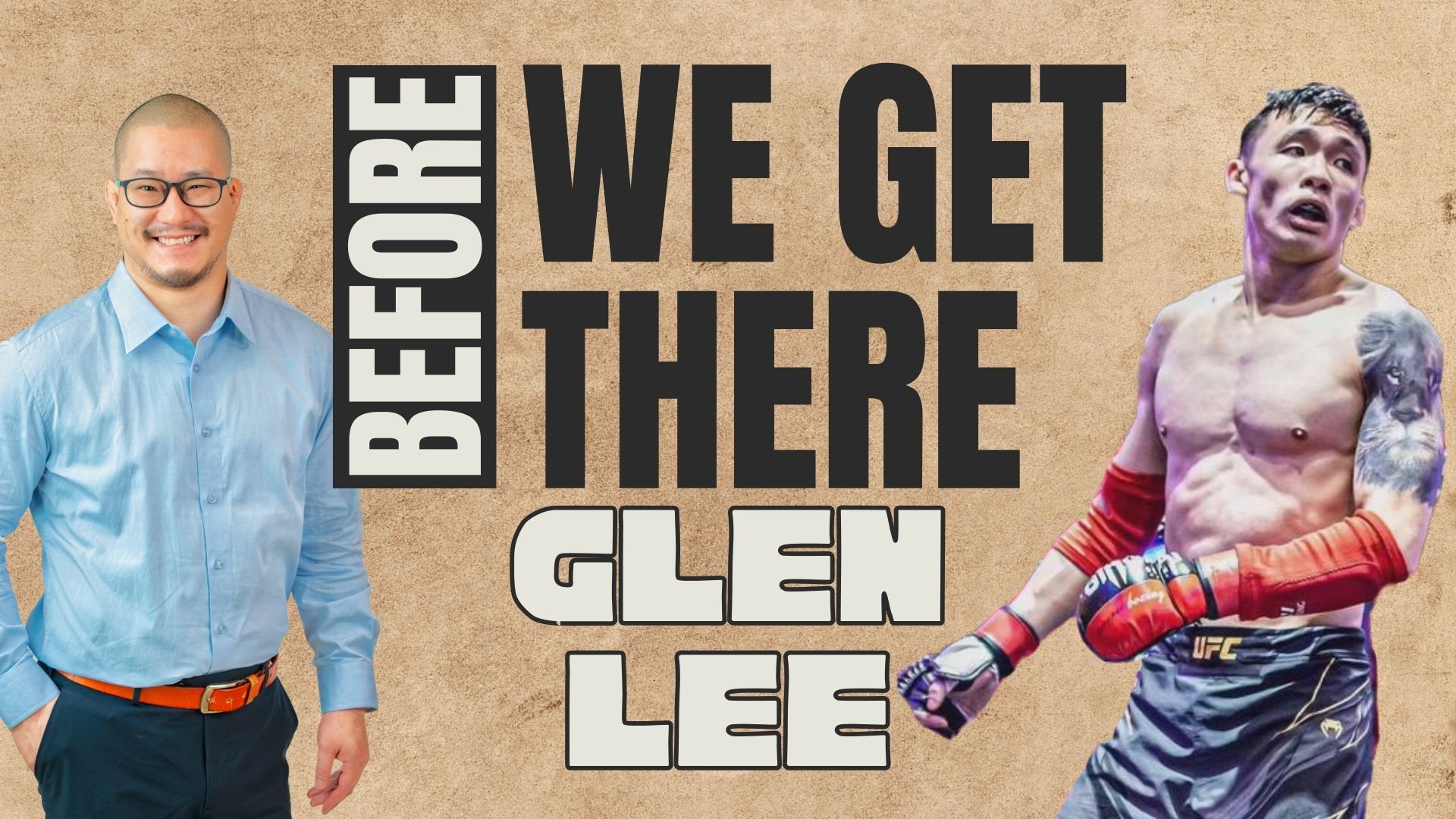
  • Glen Lee on Fighting, Focus, and Making an Impact Beyond the Mats

    Glen Lee on Fighting, Focus, and Making an Impact Beyond the Mats

    Intro

    Glen Lee is an amateur MMA fighter, Brazilian Jiu-Jitsu and Muay Thai coach, and strength and conditioning trainer at Field Assembly and The Physio Circle in Singapore. With a record of five wins and one loss, Glen represents a new generation of hybrid martial artists — balancing full-time coaching with competitive fighting.

    In this episode, we talk about Glen’s path from student athlete to coach, what drives him to keep competing, and how he balances ambition with responsibility. He opens up about the physical and mental demands of training, the lessons he’s learned from losing, and why his definition of success has shifted from chasing titles to making an impact.

    Story Highlights

    • How he started training Muay Thai at 14 and evolved into MMA
    • The challenge of balancing work, coaching, and competition
    • What overtraining taught him about discipline and recovery
    • How COVID-19 shaped his career path and mindset
    • Why he now defines success as helping others grow

    Quote

    “I just want to be able to still do it when I’m young and not wait ten years down the road and then not be able to compete. If I have any kind of regret, I hate it.”

    About Glen Lee

    Glen Lee is a Singapore-based MMA fighter and coach specializing in Brazilian Jiu-Jitsu, Muay Thai, and strength and conditioning. He teaches at Field Assembly and The Physio Circle, where he works with both competitive athletes and everyday clients. A graduate of Nanyang Technological University with a degree in Sports Science and Management, Glen combines academic understanding with practical experience. His coaching philosophy centers on consistency, discipline, and helping people achieve lasting change.

    Why This Conversation Matters

    Glen’s journey captures what it means to balance passion and purpose. From fighting in local promotions to mentoring beginners, his story shows that success isn’t only measured in wins but in the lives you influence. His reflections on overtraining, mindset, and motivation offer valuable lessons for anyone trying to sustain performance over time.

    Turning Points

    After switching from business studies to sports science, Glen faced uncertainty during the pandemic when gyms closed and job prospects disappeared. A friend’s invitation to join a new fitness startup changed everything, leading him into coaching full-time. Along the way, he learned to merge his competitive drive with empathy — recognizing that every student, whether an athlete or hobbyist, deserves personalized guidance. Today, Glen’s goals have evolved from chasing victories to mentoring others and building community through sport.

    Key Lessons

    • Discipline is balance. Knowing when to push and when to rest sustains progress.
    • Purpose matters more than titles. Impact outlasts individual achievement.
    • Adaptation fuels growth. Career pivots can become lifelong callings.
    • Coaching is service. Helping others succeed sharpens your own craft.
    • Stay curious. Learning never stops, whether in sport or life.

    If You Enjoyed This Episode

    You might also like:

    Ariff Zin on Heritage, Reinvention, and the Future of Nasi Padang — balancing tradition, ambition, and growth.

    Kenneth Tay on Fighting, Failure, and Finding Balance — about rebuilding structure and purpose through sport.