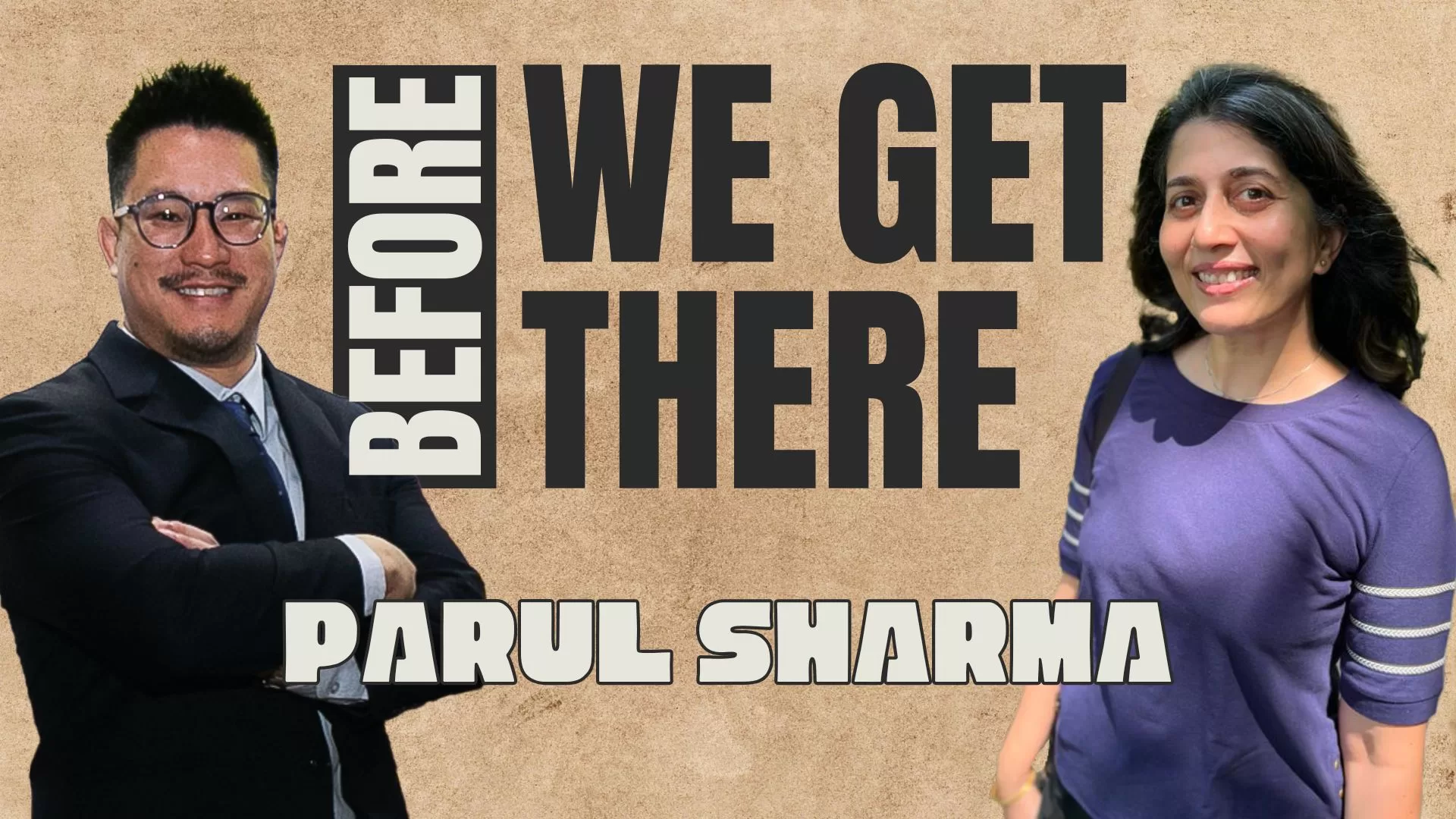
Tag: Books

  • Parul Sharma on Writing, Homesickness, and Creative Persistence

    Parul Sharma on Writing, Homesickness, and Creative Persistence

    Parul Sharma is an author whose novels explore memory, belonging, and the quiet struggles of everyday life. Her latest book, 17 Morris Road, tells the story of a woman at a crossroads who revisits her childhood home to reconsider the life she wants. In this conversation, we talk about her writing process, the years she spent balancing creativity with corporate life, and how she rediscovered her voice during the pandemic lockdowns.

    Parul shares the difference between nostalgia and homesickness, the agony of not writing, and the joy of finally finishing a story that had lived inside her for years. It’s an intimate, thoughtful look at what drives a writer to keep creating — even when life gets in the way.

    Story Highlights

    • The difference between nostalgia and homesickness, and how both shaped 17 Morris Road
    • Why writing is both a gift and a burden
    • The heartbreak of not writing during busy seasons of life
    • How motherhood, corporate work, and creativity can coexist
    • The long road to publishing and how it changed her view of success

    Quote

    “The toughest part about writing is not writing. It’s when you don’t write — and the misery that it gives you.”

    About Parul Sharma

    Parul Sharma is an Indian author and creative professional based in Singapore. She has published four novels, including 17 Morris Road, By the Water Cooler, and The Wake-Up Call. Her writing often explores themes of memory, belonging, and womanhood in modern India. Alongside her fiction, she has led a corporate research career and mentors aspiring writers. Follow her on Instagram @parulsharma or find her books on Amazon and Kindle worldwide.

    Why This Conversation Matters

    Parul’s story reminds us that creative work doesn’t disappear when we get busy — it waits. Her return to writing during lockdown is a reflection of how passion can lie dormant and still survive. This conversation isn’t just about publishing; it’s about returning to what gives life meaning after years of distraction.

    Turning Points

    From her first novel written in stolen hours after work to a long hiatus spent building a business and raising children, Parul’s path shows the patience behind creative endurance. The lockdown gave her the stillness to rediscover what she loved most — the act of writing itself. Each book marks a different season of her life, and her next, The Missing Piece, has been fifteen years in the making. Her story is proof that creativity never truly leaves us; sometimes it just waits for the right time to reemerge.

    Key Lessons

    • Honor your calling. The misery of not creating is its own reminder to start again.
    • Be patient with your craft. Some stories need years to mature.
    • Balance is imperfect. Creativity and career often coexist in tension, not harmony.
    • Feedback is part of the process. Courage is sharing your work before you feel ready.
    • Keep showing up. Writing — like growth — is about consistency, not perfection.

    If You Enjoyed This Episode

    You might also like:
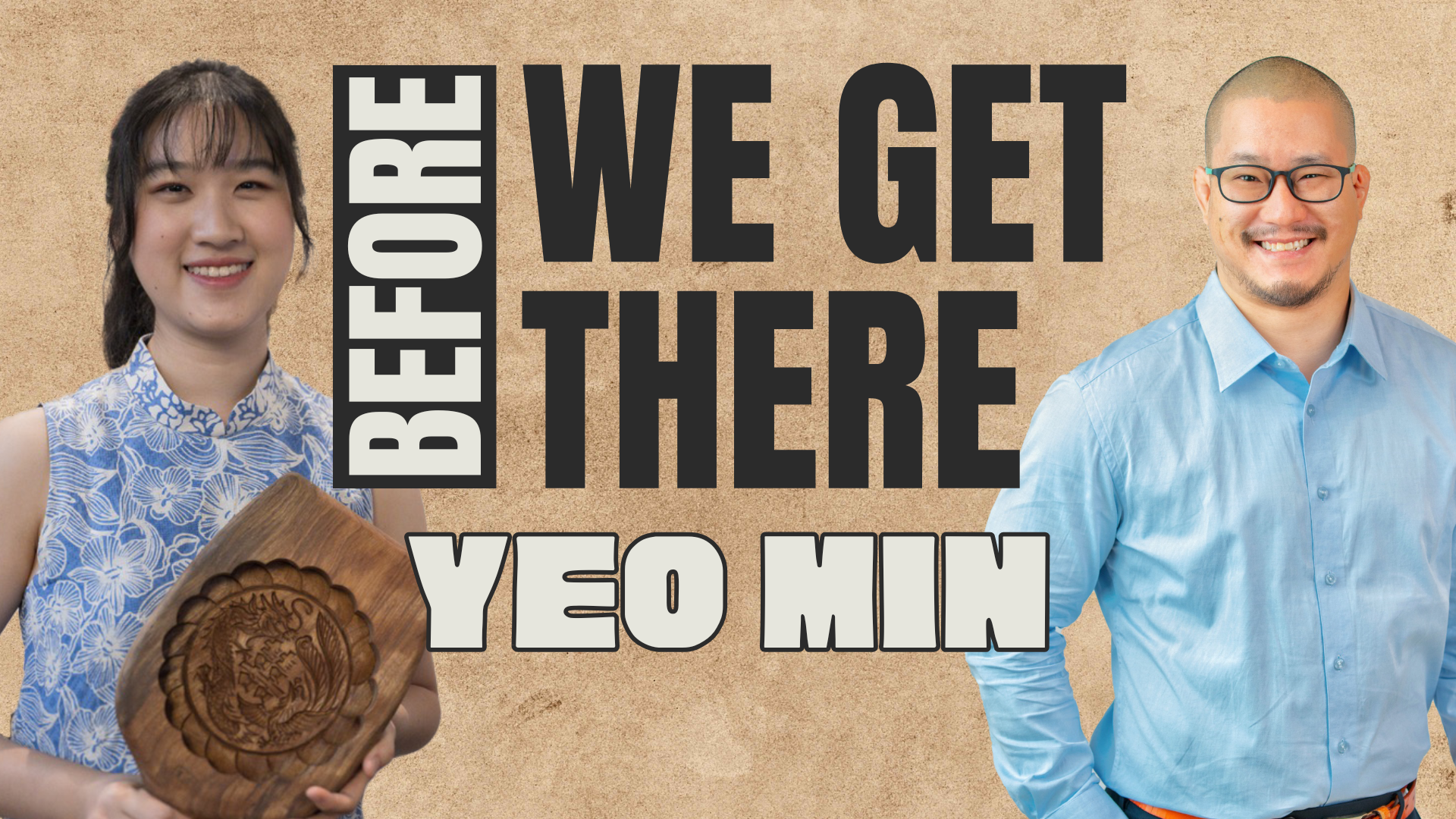
  • Yeo Min on Food Heritage, Creativity, and Preserving Tradition Through Pastry

    Yeo Min on Food Heritage, Creativity, and Preserving Tradition Through Pastry

    Intro

    Yeo Min is the author of Chinese Pastry School, founder of Pastories Bakery, and co-founder of the Museum of Food Singapore, a nonprofit dedicated to preserving and educating the public about local food heritage.

    In this conversation, we explore how Yeo Min left her career in social work to study pastry, what drew her to traditional Chinese pastries, and how she’s balancing creativity, entrepreneurship, and cultural preservation. From her “cool aunt” sneaking her to McDonald’s as a kid to writing one of the first English-language cookbooks on Chinese pastries, Yeo Min’s story is both deeply personal and profoundly local — a look at how food can connect past, present, and identity.

    Story Highlights

    • The accidental journey from social worker to pastry chef
    • How she met her mentor, Chef Pang, and fell in love with heritage baking
    • Why she wrote Chinese Pastry School to document disappearing crafts
    • The challenge of pricing and sustaining heritage food businesses
    • Building the Museum of Food Singapore to preserve culinary memory

    Quote

    “I feel like we need to be more proud of our food heritage, like our food heritage, and just, just sell it. Don’t be shy about it and just be proud of it like any other person.”

    About Yeo Min

    Yeo Min is a Singapore-based pastry chef, author, and food heritage advocate. After working in social services, she pursued pastry school and discovered her calling in traditional Chinese pastries. She later founded Pastories Bakery, co-founded the Museum of Food Singapore, and published Chinese Pastry School — a first-of-its-kind guide to the craft, science, and stories behind Asian pastries. Her work bridges research, education, and entrepreneurship, bringing forgotten food traditions to a new generation.

    Why This Conversation Matters

    Yeo Min’s story captures what it means to redefine heritage in modern Singapore. Her reflections on craft, pricing, and pride shed light on how traditions survive only when they adapt. In a city obsessed with innovation, she reminds us that preservation is also progress — that being proud of where our food comes from is the first step toward keeping it alive.

    Turning Points

    From making dumplings in a London dorm room to studying pastry in Singapore, Yeo Min’s evolution was sparked by curiosity. Meeting Chef Pang shifted her direction from Western-style baking to heritage pastries, and the closure of old pastry shops deepened her resolve to document traditional techniques. Writing Chinese Pastry School became both a research mission and a love letter to her culture. Through the Museum of Food, she’s extending that mission — teaching children, families, and visitors that food is not just flavor but history.

    Key Lessons

    • Heritage evolves. Tradition survives through adaptation, not imitation.
    • Pride is preservation. Value comes from seeing local food as craft, not commodity.
    • Education drives change. When people know the story, they’re willing to pay for it.
    • Mentorship matters. Knowledge must be passed down to stay alive.
    • Creativity can serve culture. Innovation and respect can coexist in the kitchen.

    If You Enjoyed This Episode

    You might also like:
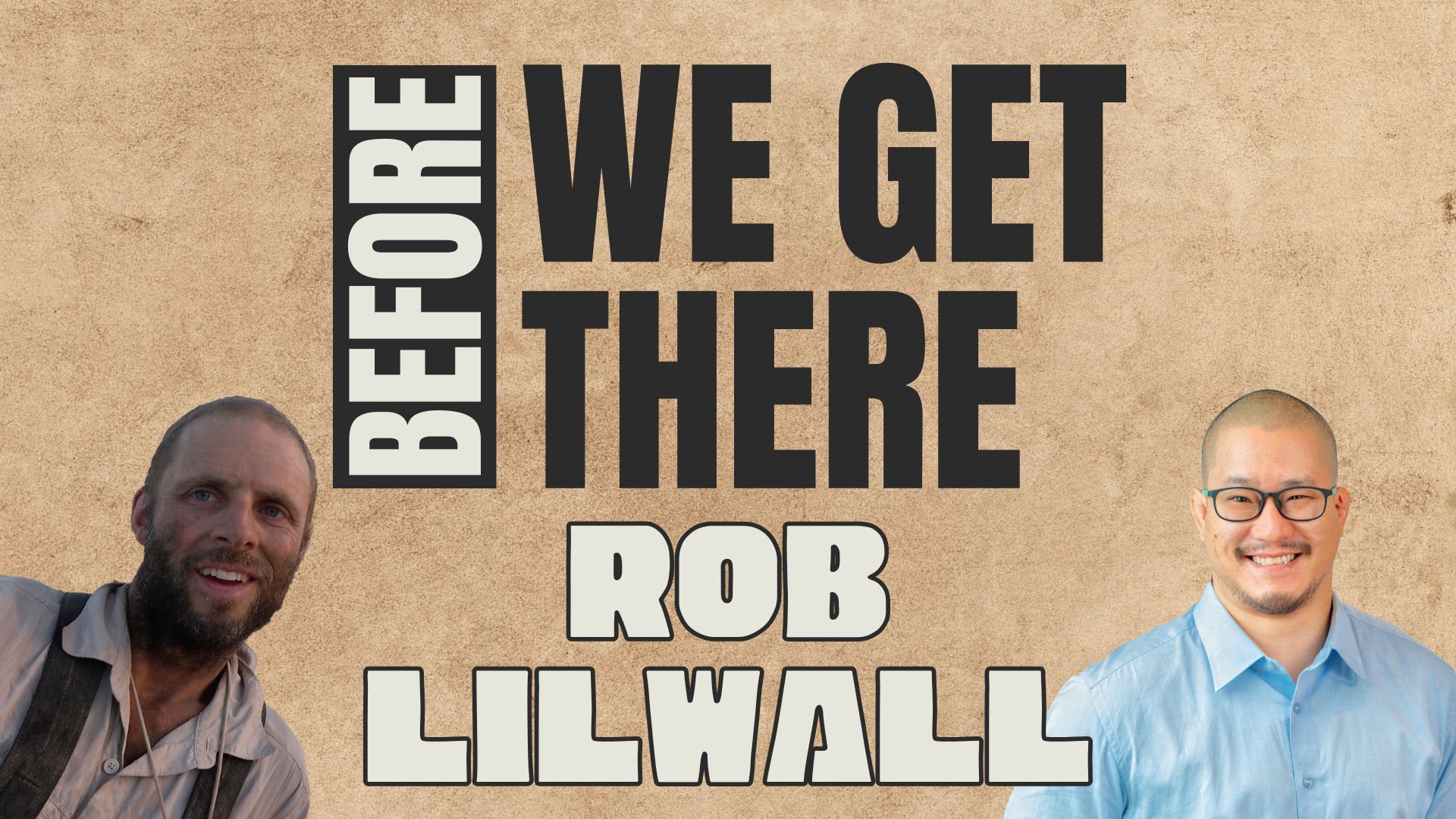
  • Rob Lilwall on Adventure, Resilience, and the Courage to Keep Going

    Rob Lilwall on Adventure, Resilience, and the Courage to Keep Going

    Intro

    Rob Lilwall is a British-born adventurer, author, and motivational speaker known for his three-year cycling expedition from Siberia to London — a journey that spanned over 50,000 kilometers and reshaped his understanding of fear, resilience, and transformation. He has since walked across deserts, written two books, and spoken to audiences around the world about courage, change, and perseverance.

    In this episode, we talk about Rob’s early life as a shy schoolteacher, what led him to take a one-way flight to Siberia, and how adventure became both his career and his classroom. He shares stories from the road — from being robbed in Siberia to camping at minus forty degrees — and the lessons that continue to guide his life as a husband, father, and speaker.

    Story Highlights

    • How a friend’s invitation to “just say yes” changed his life
    • Why facing fear became the foundation of his growth
    • What three years of cycling taught him about adaptability
    • How setbacks turned into the start of a speaking and writing career
    • The turning point in the Taklamakan Desert that reframed his idea of success

    Quote

    “When you’re having a really bad day, whether it’s in the office or in the middle of your three-year bike ride and you think, ‘What am I doing? Why don’t I just fly home?’ Never quit on that day, because that’s the wrong day to quit.”

    About Rob Lilwall

    Rob Lilwall is a professional adventurer, author, and keynote speaker based in Singapore. He has cycled from Siberia to London, walked across China’s Gobi Desert, and trekked the edges of the Taklamakan — expeditions that have been turned into National Geographic TV shows and bestselling books. Today, Rob speaks to corporate and global audiences about adaptability, resilience, and courage in times of change. His TEDx talks and corporate programs have reached audiences across more than 30 countries. Learn more at roblilwall.com.

    Why This Conversation Matters

    Rob’s story isn’t just about adventure — it’s about learning to keep going when things get hard. Whether navigating subzero nights in Siberia or personal struggles after success, he’s discovered that the greatest growth often comes through failure and persistence. His lessons on resilience and agility apply far beyond expeditions — to careers, relationships, and everyday life.

    Turning Points

    From teaching in the UK to biking across continents, Rob’s life has been defined by leaps of faith. His decision to say yes to a friend’s challenge led to a journey that changed everything — from his worldview to his work. Later expeditions tested him in different ways, pushing him through burnout, self-doubt, and imposter syndrome. It was only after failing to complete a record-setting desert crossing that he found peace — realizing that life’s value lies not in achievement, but in doing your best every day.

    Key Lessons

    • Never quit on a bad day. Rest, recover, and make decisions with clarity, not exhaustion.
    • Fear is a teacher. Growth starts where comfort ends.
    • Resilience and agility go hand in hand. Adaptation is the key to endurance.
    • Failure can heal. Sometimes we find peace by letting go of the outcome.
    • Adventure is internal. The hardest journeys are the ones within ourselves.

    If You Enjoyed This Episode

    You might also like: