Tag: Authenticity

  • The Parts I Left Out

    The Parts I Left Out

    I used to hate answering the question “Where are you from?”. It sounds simple, but it never was for me.

    The answer is, “I’m from Seattle.” But that always led to follow-up questions. As an Asian in the US, people asked about my ethnicity or where my parents were from. In China and Singapore, people assumed I was an American-born Chinese. So I’d end up explaining that I was adopted by caucasian parents when I was 4 months old, but was actually born in Korea. Then the usual questions: “No, I don’t speak Korean.” “No, I haven’t found my birth parents.” “Yes, I call my adoptive parents mom and dad.”

    For a long time, I kept these conversations short. It wasn’t that I was ashamed of who I am; it’s just complicated, and it was easier to downplay or simplify things. Over the past year, though, I’ve started to embrace my identity instead of minimizing it. I’ve been surprised how much it has helped me grow and connect with people. I’ve realized that the surprising things about my background are part of what I’m made from. And sharing more openly doesn’t complicate things; it helps people understand more of who I am.

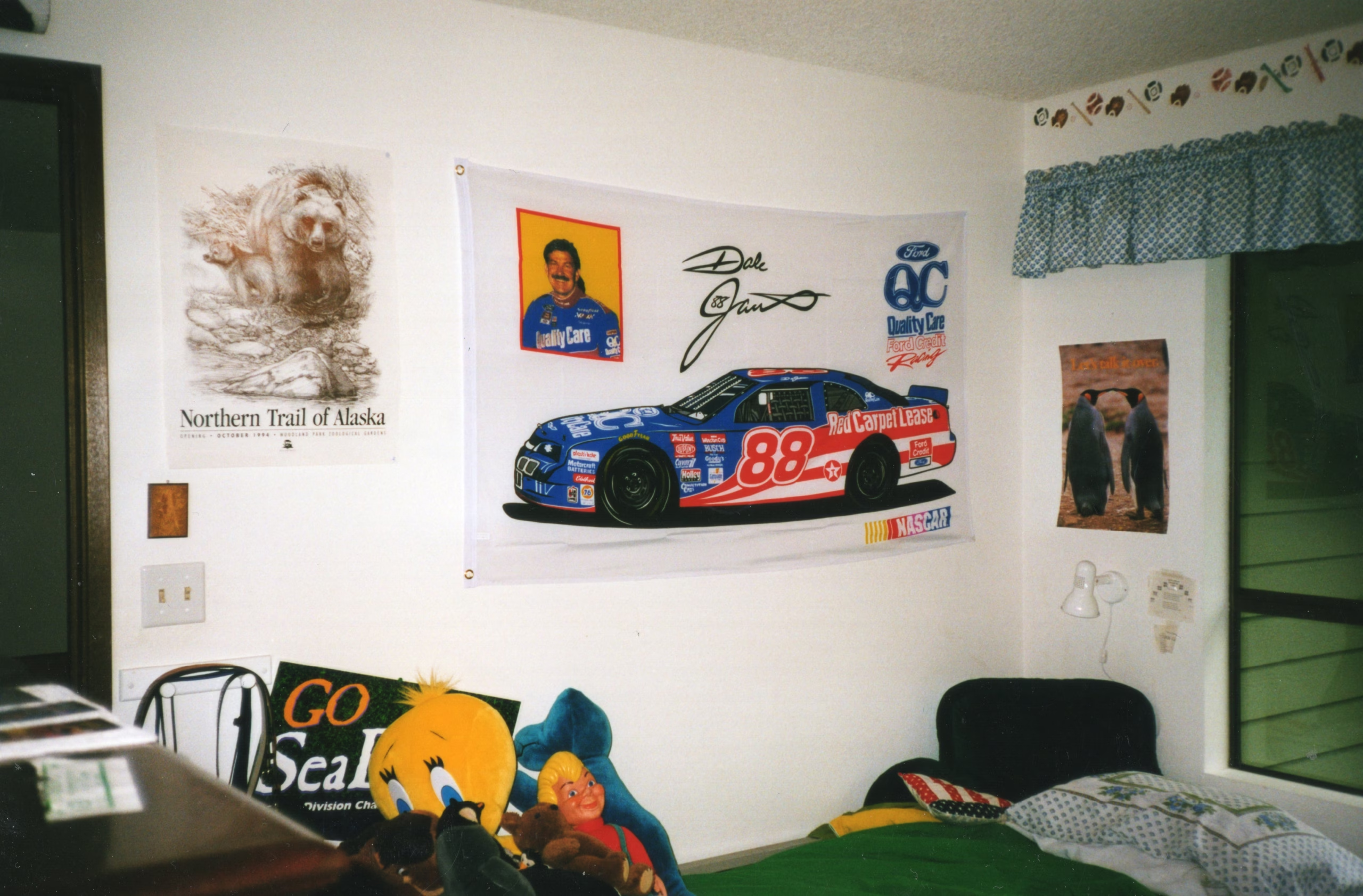
    And there are surprising things about me that people wouldn’t expect by looking at me. I grew up as suburban Americana as it gets: bologna sandwiches and RC cola, tuna casseroles and minivans. I was a die-hard NASCAR fan and never missed a race from around ’93 to after Dale Earnhardt died. I threw thousands of pitches against a board in the backyard, listening to Dave Niehaus call Mariners games on the radio. I had a mullet for most of my teen years, and my first concert was Tim McGraw and Faith Hill. But that didn’t seem easy to share, even with friends I’d had for years. I didn’t think much about it for years, but at some point, I realized this wasn’t just my experience; most people do some version of the same thing. We share a simpler, safer version of ourselves with the world in an effort to protect ourselves.

    When I stopped editing my story down to the safest version and started sharing more, interesting things started happening. People opened up to me, too. Someone I knew was also adopted. Someone else had lost a parent. Another person felt conflicted about their heritage. These conversations built deeper relationships. It wasn’t that I was turning every conversation into an autobiography or listing my quirks as an ice-breaker. I was just being more open about who I am, and people responded to it. I didn’t know it at the time, but minimizing my identity wasn’t just about avoiding awkward conversations; it kept people from really knowing me.

    I also realized that I’d pushed parts of my past so far down that they barely felt connected to me anymore. I’d kept my story neat and short for so long that I stopped thinking about the details myself. When I started being more open, those old influences and memories resurfaced, not in a nostalgic way, but in a clearer “this is part of me” way. My tastes, preferences, and daily habits have changed a lot over the years, but that doesn’t mean those earlier versions of me weren’t real or meaningful. Growth doesn’t require erasing the past; it just requires putting it in context.

    A lot has changed since those mullet-and-country-music years, but that’s still a part of who I am. Those things shaped me. These days I can’t tell you who won the last Daytona 500 anymore, but as new chapters of my life unfold, I’m learning not to shrink the story. The more I share, the more I connect. I’m still learning how to tell the fuller version of who I am, but it starts with not hiding the parts I used to leave out. For now, that feels like real progress.
  • Opera Tang on Authenticity, Artistry, and Building a Life You Believe In

    Opera Tang on Authenticity, Artistry, and Building a Life You Believe In

    Intro

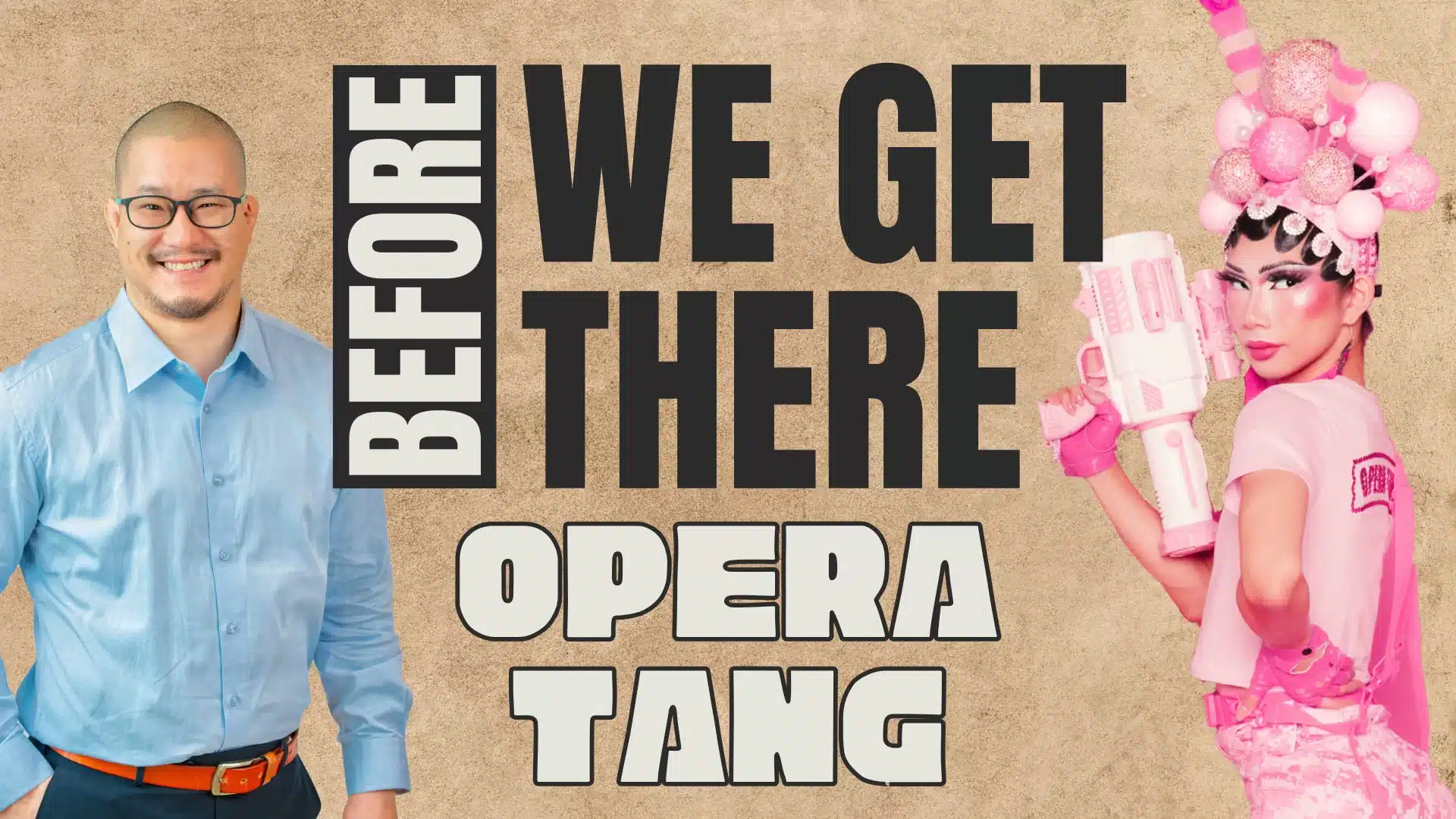
    Opera Tang is a Singaporean drag artist, creator, and storyteller whose work blends advocacy with authenticity. Known for her signature look inspired by Chinese opera aesthetics, Opera has become a voice for creative freedom and self-expression in Singapore’s growing drag scene.

    In this conversation, we talk about how Opera went from working in tech sales to performing drag full-time, how she found her artistic identity through heritage, and what it takes to balance art and commerce as a queer creator. She also shares lessons from her grandmother, the person who taught her how to sew and remains her creative mentor, and how she’s using her platform to bring joy and connection to others.

    Story Highlights

    • Getting laid off from a tech job and taking the leap into full-time drag
    • Discovering her creative identity through Chinese opera and cultural heritage
    • Balancing personal expression with commercial collaboration
    • The role her grandmother plays in her creative process
    • How drag can build bridges between generations and communities

    Quote

    “I live by this quote, which is fake it till you make it, because no one knows what they’re doing at the start. No one knows 100% what they’re set out to do and what they want to achieve. Maybe they know what they want to achieve, but they don’t know how to get there. So just do the things that you think that will help you achieve whatever objective.”

    About Opera Tang

    Opera Tang is a Singapore-based drag artist known for her unique blend of Chinese opera aesthetics, fashion, and performance art. Formerly a tech sales professional, she began performing during the pandemic and has since collaborated with brands like Netflix, MTV, and Carlsberg. Beyond performing, she designs her own costumes, runs her social channels as a one-woman creative team, and frequently collaborates with her grandmother on new designs. Opera continues to advocate for representation, creativity, and intergenerational connection within Singapore’s queer and artistic communities.

    Why This Conversation Matters

    Opera’s story is a testament to authenticity — how embracing your identity, even when it doesn’t fit the mold, can lead to freedom and purpose. Her journey from corporate retrenchment to creative independence shows how art can be both personal and political. This conversation is about courage, reinvention, and the joy of showing up as yourself.

    Turning Points

    From her first performance at a post–Pink Dot party to becoming one of Singapore’s most recognized drag artists, Opera’s path has been shaped by risk and reflection. Getting retrenched from her corporate job pushed her to pursue drag full-time, and with her grandmother’s support, she built her brand from the ground up. What began as a love for costume design evolved into storytelling through performance. Now, Opera is channeling her energy into giving back — volunteering with senior communities and dreaming of creating inclusive spaces where drag and social connection meet.

    Key Lessons

    • Authenticity builds connection. People respond to honesty more than perfection.
    • Adaptation creates opportunity. Every pivot, even unexpected ones, can lead to purpose.
    • Heritage can inspire innovation. Identity and culture are sources of strength.
    • Rest fuels creativity. Taking time off sustains longevity in artistic work.
    • Kindness multiplies. Using art to uplift others creates lasting impact.

    If You Enjoyed This Episode

    You might also like:

    • Nuray Istiqbal on Faith, Reinvention, and Life After Rae Lil Black — about transformation and identity.
    • Jingjin Liu on Leadership, Womanhood, and Redefining Power — exploring authenticity and ambition.
    • Vivian Lim on Building Communities and Continuous Growth — about connection and purpose.