Category: Travel

  • The Weekend Wind-Down #4 – March 17, 2024

    The Weekend Wind-Down #4 – March 17, 2024

    Writing this after a busy week where I solo-parented almost the whole time. Had some great adventures with my daughter, played and explored together, and even got some relaxation in! Here’s the list for this weekend.

    Biggest marketing lesson from this weekend
    My last role was actually the first time I became more than passing acquaintances with a marketer I met at an event we were sponsoring. We started talking about work and business and ended up sharing a lot with each other about specific conferences and agencies. And now in my current role, I’ve started talking to another fellow marketer in the same industry that I met at a networking event. My previous thinking would be that I wouldn’t want to share too much information, even if we weren’t direct competitors. But these friendships have helped me realize we are all in this together, it isn’t a zero-sum game and we can learn a lot from each other.

    What I’m testing this weekend
    I finally subscribed to ChatGPT Plus, which gives you access to GPT 4, plugins, and more. I haven’t gotten too deep into testing yet, but my first impression is that I haven’t noticed a huge difference in the quality of the responses. I think the plug-ins, more current data, and longer memory will be the biggest benefits. The image generation is fun, but not any better than available alternatives. The most surprising thing so far is that it is noticeably slower than GPT 3.5, I’m not sure if that is due to more complex processing or checking more data, but I’m still looking forward to diving in deeper!

    What I read this weekend
    Taylor Swift has been all over my socials the past few weeks, having played 6 sold-out shows in Singapore. This Inc. article talks about her marketing savviness and dives into her upcoming concert movie being released right after her tour ends. I’m not a Swiftie (I haven’t listened to her music since she was a country star), but what caught my attention were the points on media releases and artists owning their licenses. I’ve been playing streaming services musical chairs recently after changing the card everything was subscribed to, and have been wondering what the future holds. I don’t think it is sustainable needing to have so many subscriptions, but on the other hand, I wouldn’t want everything to be controlled by one company either. Having a lower price point to pay for specific shows and movies I want to watch would be an option I’m in favor of.

    Biggest parenting lesson I learned this week
    I realized my daughter is far more independent and capable than I give her credit for. I thought I was pretty good about letting her learn and explore by herself, but this trip made me realize I could let her go even further on her own. She’s growing up super fast and already I can feel my perception of her falling behind her real stage. I don’t want to raise a sheltered kid, I want her to be confident, independent, and strong, so I’m going to be trying to consciously loosen the metaphorical leash from now on. Some highlights were her saying yes to questions I asked her even when I didn’t think she understood, her learning to close her mouth and dunk her head underwater, and her waking up and jumping off a 3-4ft high bed to go find me.

    Quote I’m pondering this weekend
    Seth Godin wrote this post about how important names are in marketing and says:
    ChatGPT is a terrible name. And the trademark office in the US just denied them ownership in GPT, so even if they were a pioneer, that’s gone now. It’s hard to tell the story when you don’t know what to call it.”
    In some ways I think he’s right, it is a technical acronym, and I even switched two letters throughout a recent blog post and didn’t catch it until someone pointed it out to me. But, it got me thinking, could ChatGPT be on the road to evolving into another Kleenex or Taser? A name so synonymous with AI that people use it for anything that seems similar?

    Most impressive customer service I this week (and in years)
    Lazada is the Amazon/Taobao of Southeast Asia, and I use it to do tons of shopping. There are individual stores, but I usually don’t pay much attention to which I’m buying from unless I buy multiple things from one store for a discount. Last week I ordered something I wanted for this trip, but it hadn’t arrived by the night before my flight. I asked for an update midday, and they offered to send the item to me personally and come pick up the one they sent by courier when I’m back. Shoutout to Mystics Technology for going above and beyond, they certainly made me a loyal customer. It’s rare to see that level of service anywhere, much less from a small e-commerce store.

    That’s all I have for this week folks. Hope you had a fantastic weekend and have a great week ahead!

    Note: My goal is to eventually move this newsletter to email format which will land in your inbox every Sunday evening (Singapore time). Subscribe here if you want to receive this by email after I make the change.

  • The Weekend Wind-Down #2 – March 3, 2024

    The Weekend Wind-Down #2 – March 3, 2024

    What a week! I’m writing this from Mumbai, having spent the last 4 days here for a work conference and some exploring. I’ve loved it here, the food is amazing, the city bustling, and the conference attendees energetic and ready to learn and grow. I hope to be back soon, but now on to the list!

    What I listened to this weekend
    I’ve been a big fan of Korean-American chef and entrepreneur, David Chang since I first saw him on Mind of a Chef. I’ve been a loyal listener of his podcasts and even went to Momofuku Ko in NYC before it closed. Often his podcasts are filled with hilarious and informative tirades on food, restaurants, parenthood, or culture and society. This week’s episode contained a hilarious ten-minute exploration of “the platonic ideal of a breakfast burrito” (starts at about 33 minutes in). Well with a listen if you are as passionate about breakfast as I am.

    Best viral post I saw this weekend
    I first saw this clip on Instagram, but it is being shared all over LinkedIn as well. People all over the world are impressed with a discussion in the Singapore parliament on AI and upskilling workers to remain competitive. The difference is striking when compared to the questioning of TikTok CEO, Shou Chew last month in front of the US Senate, when the US Senator appeared not to understand Singapore isn’t part of China.

    What I learned at my first conference in India
    Having spent the past 8+ years focused on Southeast Asia with only some time spent on the China and Australia markets, I was excited to hold my first work event in India. I wasn’t disappointed. In some ways, the energy of the delegates reminded me of Indonesia, with everyone being very curious to learn and eager to implement solutions to help them grow. Other than the interest in talking to us and seeing our solution, the other thing that stuck out was the style of sessions at the conference. I always feel that sessions like fireside chats or panels are more engaging than solo presentations, but I would say most times I only see 20-30% of the sessions being something without slides. Here it was completely the opposite, not only were there 4 panel sessions (plus my company’s fireside chat), all of the panels were huge, with 5-to 10 people on stage sharing their expertise. This makes things way more engaging for the audience and it was great to hear from so many CFOs and Heads of Treasury from both India-born companies and MNCs.

    Best LinkedIn hack I worked on this weekend
    LinkedIn launched the Community Top Voice badge last year, rolling it out to selective users who are able to contribute to Community Articles and earn a badge in various topics. After seeing these contributions start to pop up in my feed, I took the plunge and started contributing as well. After less than a week of contributing to 2-3 articles a day, the “Top Lead Generation Voice” badge appeared on my profile yesterday. I think this is a good way to engage on LinkedIn, because most people don’t ask questions in their own posts, so you can really share your expertise and read what others have to say.

    Blog post I’m excited to share
    Using ChatGPT can still be a bit of a touchy subject. On one hand you have all kinds of influencers and solo-preneurs sharing how you can build businesses just by using AI tools and get rich quickly. On the other hand, people are cautious about using it for their work both from the fear it could make them replaceable, and because they don’t want to seem lazy or put out low-quality work. In this post I share some practical ways I use ChatGPT that doesn’t compromise my work and allows me to save time and get more done.

    Coolest place I visited this weekend
    I decided to get out of the city and see another side of India, and I’m so glad I did. Lonavala is a Hill Station about two hours from Mumbai. There are incredible historic and natural sites in the area. My favorite was Lohagad and Visapur forts, which tower imposingly over the plains below. The forts have been occupied by various empires over the last 700+ years and were an amazing sight to see. It was a great reminder to get off the beaten path when traveling. I planned the excursion myself and was the only non-Indian I saw there. The total of around 6 hours getting there and back wasn’t very fun, but it was totally worth it in the end!

    That’s all for this week, have a great week folks! I hope you had a great weekend and a productive week ahead.

  • Culture Shock 101: How to Cope and Thrive

    Culture Shock 101: How to Cope and Thrive

    Moving to a new country, especially if it is on another continent is a daunting experience. Not only are you likely to be starting at a new job or school, but you won’t know anyone there, and there will be a lot of unfamiliar things to get used to. Culture shock is a common phenomenon, especially after the first few days or weeks of excitement and adrenaline wear off. When you move to a new place, triply so if you don’t speak the language well, it is exhausting. The most normal everyday things are so much mentally draining than when you are in your home country. And when you are mentally exhausted, picking up or putting up with the cultural differences becomes even more difficult. I experienced a huge amount of culture shock when I made probably one of the more extreme moves possible, from Seattle, Washington in the US, to a tiny village in the middle of nowhere in North Eastern China. I was able to adapt and ended up living a total of 4 years in China, and most recently have lived in Singapore for 9 years. I’ll share my experience with you so that you can be prepared to cope with culture shock and thrive in your new environment.

    Be Prepared – Do your research
    Nothing will ease your worries more than doing research about the place you are about to move to. There are lots of expat forums, Facebook groups, and Reddit communities where you can search and ask your most pressing questions. Many of the concerns you have may be practical like about phone plans, where to live, schools, transportation, and getting your belongings shipped there. But broader information about the work culture, history of the country, cuisine, and more will also be useful for lowering the culture shock you experience after you arrive. I highly suggest you try to connect with other expats that have lived in the country for a long time for their advice, who knows you may even make some new friends to meet up with after you make your move!

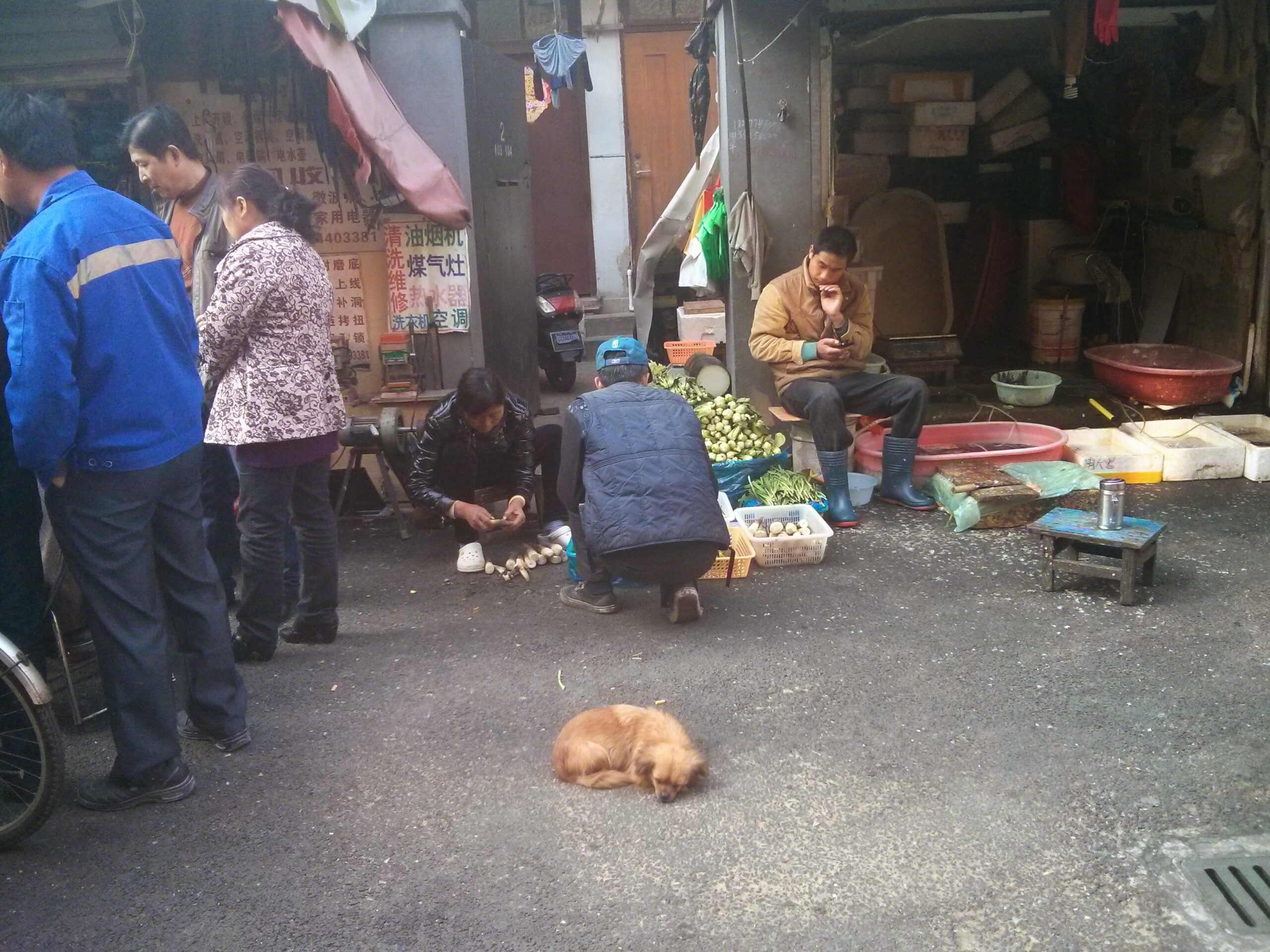
    Shanghai Street – Photo by Nicholas Braman

    Be open-minded – Don’t expect things to be the same
    I think the stereotype of the clueless American tourist has gotten much better over the past decade or so, and if you are planning to move abroad, you probably aren’t one of those types of people anyway. But it will be helpful to mentally prepare yourself for differences in how things work. And be ready to just accept the way things are sometimes. Of course, if you want to structure your home, habits, and activities to be as similar to what they used to be and how you prefer, that will lessen the culture shock. But you won’t be able to tailor everything around you to how you are used to, sometimes you just have to accept it and get used to it. One example in my experience is the lack of lines (or queuing) in China, everyone just pushes their way to the front in bunches and if you wait in an orderly line, you will never get to the front. At first this really annoyed me, but eventually, I accepted if I didn’t want to spend all day waiting for new people pushing in front of me I’d have to adapt and do the same thing.

    Another example is crossing the street in some countries like Vietnam, the crosswalks aren’t really used, and with the amount of motorcycle, bicycle, and car traffic, you have to just go if you want to get across. You eventually learn when to start out and that if you just keep walking at a steady pace, you won’t get run over. Not expecting things to be the same is especially true for your work life. Even if you work for a multi-national company, possibly even based in your home country, the local working style and culture could be vastly different. Go in with an open mind and get a feel for the lay of the land before you start pushing back on things you don’t agree with too much. Most local colleagues will be very interested in you and since you will be spending a lot of time with them it will be important to build good relationships and use it as an opportunity to fit in more with local life.

    Get close to locals – Don’t only hang out with fellow foreigners
    One way many expats deal with coping with culture shock is to try to insulate themselves as much as possible from the local culture and people by staying around other foreigners as much as possible. I find that not only is this just staving off the inevitable, it is also a huge waste of opportunity for personal growth and your understanding of the world and other cultures. The expats I know who integrated themselves well and really got to know the local culture and people all had a much more fulfilling experience than those who lived in a bubble.

    The faster you get to know the local culture and the more local people you have to help you navigate the differences, the more quickly you will be able to get over most culture shock and thrive in your new environment. While sticking around people who are from countries similar to yours can ease things for a while, in the long run, you are doing yourself a disservice and missing out on a lot of what you could be learning and experiencing.

    Singapore River – Photo by Nicholas Braman

    Give yourself some treats – Little joys from home can make you feel a lot better
    That said, there are some ways you can give yourself some of the comforts of home when you do start feeling some culture shock or homesickness. In my experience, the best way to do this is through food. Since we eat three times a day and the commonly available foods aren’t likely to be what you are used to from home, treating yourself to some comfort food whether by cooking yourself or going out can be a great treat. I always make sure to cook big meals on holidays like Thanksgiving and Christmas, and even weekly home-cooked meals really hit the spot. Sometimes fast food can do the trick as well, McDonald’s breakfasts are one of my favorites and they are the same all over the world.

    Learn the language – A bit of effort goes a long way
    Besides convenience and getting through day-to-day life, learning a bit of the local language will endear you with the locals, and help you make more friends and get over the culture shock. It may be intimidating at first, especially if it is a language super difference from your own, but it will really help integrate your life more easily. I speak Chinese decently now, which is one of the common languages in Singapore as well, and it really makes a big difference in making day-to-day interactions smoother and alleviating some of the small annoyances of ordering food, talking to taxi drivers, etc. I personally knew people who had lived in China for 10 years and could barely say 20 words, while others became nearly fluent, those who made the effort definitely enjoyed the relationships they could build with non-English speaking locals and other benefits.

    Keep ties with home – These days it’s easy to keep in touch
    To be honest, after 9 years of continuously living abroad, there are not a lot of people from home I contact on a regular basis. But at the beginning, I think it is very beneficial to keep ties with your friends. They may not understand exactly what you are going through, but they can lend a listening ear when things get overwhelming. I used to have to make expensive Skype calls when I first moved overseas, but now with Facebook and WhatsApp, it doesn’t cost anything to reach out.

    Shanghai View – Photo by Nicholas Braman

    Practice gratitude – If you weren’t having this experience you would never know what you were missing
    When things get really tough or you are questioning your decision, try to practice gratitude for the opportunity to experience a new life and country and appreciate the experience while you are having it. Not everyone has the chance to live in another country, and I’m positive you will look bad later in your life and be grateful you did it, no matter the challenges you may be facing on any given day. Who knows, you may end up like me and eventually fall in love with a new country and end up settling down there, but even if you move back, you will return as a more experienced, wise, and empathetic person.

    Bonus Advice – Be prepared for reverse culture shock
    This was something I didn’t expect at all, but a lot of expats who I’ve talked to have experienced the same thing after moving back or even visiting their home country. Reverse culture shock is a real thing, and you may have to go through some of the same processes all over again. Just remember that it is common, and eventually, it will likely go away, although I’m sure there will be some parts of the country you lived in that you will always miss.

    I hope this article has given you some practical and philosophical advice for if you are planning to or have just moved to a new country. It is a huge life change for anyone and it is expected to have some challenges, but with these strategies, you can minimize the culture shock and thrive in your new and exciting life. I’ve also written on The Most Important Things You’ll Learn About Yourself From Living Overseas which may give you some extra encouragement!

  • Wanderlust Unleashed: A Love Letter of Solo Travel

    Wanderlust Unleashed: A Love Letter of Solo Travel

    Dear vast and wonderful world,

    My most treasured experiences have always been wandering you alone. When it’s just me on my own, riding the waves of solo travel I feel free and peaceful, I have no one else to account for, and I can explore you however makes me feel best. While traveling across your cities and wilderness I enjoy crossing paths with other travelers, but only for brief periods of time. Even when I’m in a crowded place with hundreds of people around me, being on a solo journey makes it feels like it is just you and me. Taking in your beauty whether in wilderness vistas or modern cityscapes, it is just you and me and this moment in time.

    I’ve traveled with groups, family, my wife, and friends, but none can compare to the joy of being solo travel. Without the need to cater to other’s desires, I have the freedom to be spontaneous, to do what I wish. There’s no judgment or guessing how my companions really feel about the itinerary, and no need to wait for others to get ready or catch up. Do you remember the time I spent one whole day reading the latest Harry Potter in a tiny bookstore in Prague? Already lost in a faraway city on another continent, I got lost again in the world of fiction. Or how about the time I booked a 3-night ferry ride without a room and ended up sleeping on a hard half-couch in the ship’s library? I budgeted to only pay for the breakfast buffet and stuffed myself for 3 hours before spending the rest of the day wandering the ship, alone, hungry, and happy. Neither of those experiences would have been possible if I wasn’t traveling solo.

    Solo travel doesn’t mean I was always alone, I often bump into fellow travelers and spend some time sharing new experiences together before drifting apart in separate directions. There was the Czech busker couple in Venice that I stopped and listened to for an hour before they packed up and we dove into the nightlife until the next dawn broke. Or the old New Zealendar in Phnom Penh whose arms were covered in sleeves and grey hair rolled over his shoulders like a mane. We raised hell through the city and even commandeered some rickshaws on that crazy night. But like sticks floating down a river that get caught in an eddy together for a while, after a short while we always got spit out and took our own paths to the next destination.

    My days of solo travel are probably already past. I have a daughter of my own now and I can’t wait to watch her see the amazing sights of the world for herself. But even though I’ll likely grow to love that more, there will always be a soft spot in my heart for the days I wandered you alone. Thank you for letting me experience so many of you sights, taste the foods grown in your soil, feel the changes in temperature, or a certain smell that just is so unique to one place. As I continue to explore the vastness you contain, I’ll always treasure the times we were alone together.

  • The 8 Best Things About Living Abroad

    The 8 Best Things About Living Abroad

    This is a companion piece to my other post “The Top 8 Hardest Things About Living Abroad”. I wrote the other one first because I figured most people probably can imagine the best things more easily and I wanted to share some of the challenges. But there are definitely amazing things as well. I have also shared The Most Important Things You’ll Learn About Yourself Living Overseas, but this article is going to focus on just the best things. The things that make all the challenges and lessons worth it. 

    Gaining new perspectives on life
    Even if you are well-traveled, well-read, and have friends in your home country from other places, there’s nothing like living abroad to give you new perspectives on life. It’s just different when you live somewhere and start to notice the little things and how different people’s lives are compared to what you are used to. Once you live abroad you have a deep comparison of just how different things can be, and when you examine what your own views and expectations on life are, you can see things from a new angle.


    Experiencing new cultures
    Everyone knows this, but again I think it is worth emphasizing the difference between traveling somewhere and living there. When you visit a place you just get a snapshot, and often of the best or most famous spots. But once you live there you become part of the fabric of the culture and it rubs off on you and starts to become part of who you are, rather than just something you observed. This is something that just can’t be replicated without living abroad.


    Being able to make quick trips around a different part of the world
    This is a huge one for people who are from North America. Instead of quick trips to Vegas, Palm Springs, Cabo, and maybe the Caribbean, whole different parts of the world open up to you. For me being based in Singapore, places like Bali, Thailand, the Maldives, Taiwan, and much more are just hours away and it is easy to head over for a 3 or 4-day trip. Europe is the same way, with the whole continent being at your fingertips if you live in any major metropolitan area. It is super fun to be able to take a quick getaway to places that seemed so far off and exotic when you lived on the other side of the world.


    Really getting to know new cuisines
    Since food is very close to my heart, this is really important to me. Growing up in Seattle we had access to a great variety of cuisines, especially Asian and Latin. But even though you could find a lot of restaurants dedicated to authenticity, it just isn’t the same as spending years deep-diving into new cuisines when you are living abroad. Singapore is a well-known foodie haven, with a mix of Chinese, Southeast Asian, and South Asian cuisines. And I am still discovering new dishes and specialties after almost 10 years. 

    Getting your head out of the bad parts of your home country
    We all can get stuck in the cycle of click-bait headlines and one-liners that seem to dominate the news these days. But I think it has been very healthy for me to take a step back and see issues in the US through a broader lens. I used to be quite political, or at least up-to-date, and paying attention through the Bush years through Obama’s election. But I was very grateful to be living overseas for the 2016 and 2020 elections and not have it dominate my conversations, friendships, and worries during those times. 


    Making friends from across the world
    Of course, I had lots of international friends in the US as well, but it is a different kind of shared experience and bond when you are both from another place than you are living. I was technically an immigrant to America, but I arrived when I was a baby, so I didn’t have that bond. But when you are living overseas you feel more connected to people who have also moved to that country from somewhere else. This was especially important and noticeable in a less accessible country like China, where it was harder to integrate with locals. The juxtaposition of being from different places, but learning and experiencing a new country together can be a great catalyst for amazing friendships.

    Proving that you can make it on your own
    Living on your own can be difficult even in your own country, especially if it is your first time or you have moved to a new city. But making the move to a new country is in a whole other league. You may not even speak the local language, you have a new job, need to make new friends, eat new food, use a new currency, and all of this without the support of anyone around you. It can be scary and lonely at times, it can also create some of the best memories you’ll ever have. And when you look back it will be something you will be grateful and proud of doing.

    Building a new life for yourself
    Sometimes we get stuck in our routines, friends we have known for a long time, our jobs and careers, the places we eat, activities we do, romantic relationships, maybe even our personalities and the way we present ourselves to the world. There’s no better time to reinvent yourself than when you move to a new country. You’re free to build a new, hopefully better life for yourself. Erase mistakes or poor choices from your past, choose different kinds of people to be friends with, build an improved professional reputation, and experiment with new romances. When you start living abroad, the world really is your oyster.

    So these are my top 8 things about living abroad. I hope you learned something and it gives you the motivation to jump on a chance to move overseas if it ever comes your way. It will definitely change you forever and give you new perspectives and experiences you never could have if you don’t give it a try.

  • My Top 8 Tips to Have an Amazing Trip Wherever You Go

    My Top 8 Tips to Have an Amazing Trip Wherever You Go

    I am lucky enough to have been able to travel quite a lot in my life. The thrill of experiencing new places and getting away from my daily life will never get old to me. Over the years I have developed some processes that I always try to do to make my trips more enjoyable.

    1. Read a book about where you’re going
      I love to prepare for upcoming trips by reading about the place I will be visiting. Nonfiction or fiction can both be great, but it really helps to set the mood and give you more background before you leave. I don’t mean just reading travel guides, but books about the history, food, or culture. Novels can also give you great insights into the heart of a country and its people, so I often read a non-fiction book about the place before I leave and bring some fiction to read on the trip.
    2. Plan at least one physical activity
      Hiking is one of my favorite activities while traveling, but if I’m in a big city I will visit a local gym and take a Muay Thai, jiujitsu, or yoga class. This is a fun way to break up the more traditional tourist activities and allows you to meet some locals going about their normal lives. Hiking is great because it gets you outside in nature and let’s you see parts of the country you wouldn’t be able to just from driving or taking public transport.
    3. Make one of your first stops a market or grocery store
      There’s both a practical and philosophical reason for this. First of all, it is always nice to pick up some supplies like drinks and snacks for cheaper than at the hotel or whatever you find when you need them. But more importantly, you get to see what and how people eat and cook in their every day lives. Of course, some destinations have famous markets that are an attraction in their own right. But I really enjoy wandering through everyday markets or stores and perusing the shelves as well.
    4. Give yourself at least half a day just to wander
      It can be a big temptation to pack every minute with activities, especially if you have paid a lot of money and spent hours flying overseas. But I highly recommend giving yourself some time to get lost in a local neighborhood. At the very least, plan a walking tour that hits a few of the sights you want to see, but gives you plenty of time to stroll down an interesting-looking street, or stop at a cute cafe for coffee. This would probably be best either the first morning after you arrive, or in the middle of the trip to give you a break and some time to unwind.
    5. Travel by train whenever you can
      Trains are by far my favorite way to travel from city to city. They are more comfortable than buses, and the view is almost always better. You can get up and stretch your legs, aren’t surrounded by traffic, and may even be able to jump off and take a look around an interesting stop. For me, trains have a sort of romantic nostalgia, and I always feel like I’m on more of an adventure if I’m on a train.
    6. Make a broad plan, but allow yourself to be spontaneous
      I have always found that some of the best travel experiences I have aren’t ones that I planned ahead. Whether it is heading to a local site you hadn’t heard of, trying the must-eat hole-in-the-wall that isn’t in any guidebooks, or just making an unexpected stop while passing by, those can be the most memorable parts of your trip. In my experience, planned activities also usually take longer than expected, and museums and monuments get tedious faster than you expect. So I always jump at the chance to visit something off the beaten path.
    7. Picnics are a great meal to give you a break from restaurants and save some money
      While I love hitting up the well-known restaurants and trying all the local dishes, eating out for every meal can get old quickly. I’ve found a great way to break it up is to pack a picnic and find somewhere secluded to have a nice meal outside. Even getting food to-go can be a nice change of pace. But if you are in a country famous for its bread, cheese, and cured meats (basically anywhere in Europe), this could be the best picnic you’ve ever had.
    8. Find out what locals eat for breakfast and follow their lead
      My other favorite food tip is to skip the hotel breakfast and go for whatever the locals have. This is especially true for example in Asia, where local breakfasts of noodles or savory pancakes will be some of the best food you can have. But even when I traveled to NYC, I made sure at least half my breakfasts were some random bodega egg sandwich, and I couldn’t have been happier.
    Great Wall of China - Photo by Nicholas Braman

    So there you have it, some quick trips to make your travel experience more enjoyable. Let me know in the comments where you’re going to next!

  • A Journey to the End of the Earth

    A Journey to the End of the Earth

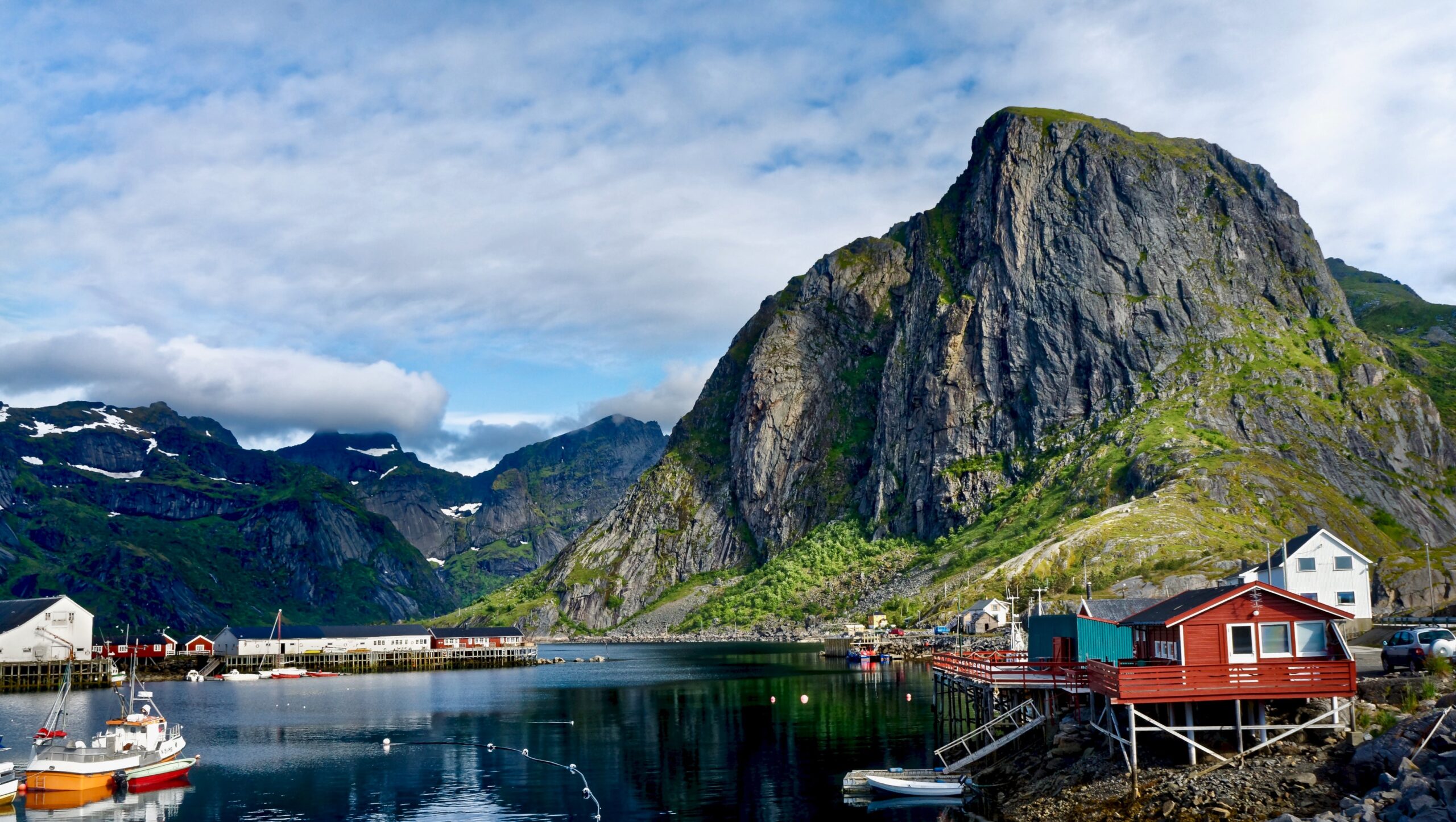
    I was halfway through a 3-month backpacking tour of Europe, and had taken an unplanned detour to Scandinavia, after a crazy couple of days in Stockholm and a long train trip up the entire length. of Sweden (more on that another time). I had made a quick stop in the sleepy city of Narvick before making my way out to my main reason to coming to this part of the world in the first place, the Lofoten Islands. This archipelago sits over 200 kilometers above the Arctic Circle, when I was there in August it was light out for 20 hours a day. The chain of islands juts out from the mainland into the Norwegian sea, and my target was the last village on the chain, a little fishing hamlet called Å. After adventures in the Greek islands, staying with friends in Macedonia, and a tour of Italy and France, what made me want to go out there, to a remote desolate island that hardly anyone has ever heard of? I was looking for peace and solitude, maybe physically, after the bustling cities of Southern Europe, but maybe more spiritually, looking for peace within myself that I hadn’t found partying or visiting ancient sites. I was just kicking off my adult life and knew that I wouldn’t be back home for over a year, but I wasn’t as happy with myself as I thought I should be. Somehow, even while traveling through unknown places, sleeping in hostels, trains, and even a park bench, I was still restless. And so my wandering feet took me to the far North, to what seemed like the end of the earth.

    The slow coach ride from Narvick was comfortable, with high-backed chairs, temperature control, and a smooth ride. As we snaked our way along the fjords huge cliffs jutted into the sky, in sharp contrast with the rolling waves of the sea below. We made many stops, this bus was not used by many tourists, mainly it was locals from the small towns and villages who had gone into the bigger city for shopping or some other necessity that you couldn’t get on a small island. At the beginning of the journey, the water was peaceful, since we were passing deep inlets that weren’t exposed to open water, but the further we went, the emptier the bus got, the smaller the villages became, and the rougher the waves rolled. I had set off first thing in the morning, leaving Narvick at around 10 am, on the only bus of the day, but the 5+ hour/350km journey stretched out into the long afternoon and the sun started to dip behind the tallest of the peaks as we pushed on towards the end of the island chain.

    It was so peaceful I fell into a kind of trance as my eyes were glued to the scenery passing by outside the window. And so I was startled when I looked up and realized I was the last passenger on the bus. As we rolled to a stop for the last time, I saw a few outbuildings, a small dock extending over a bay on just a small strip of land. On the other side was a beautiful little lake with some old wooden canoes, before the mountain shot up directly behind into the mist. After I unloaded my gear and approached what appeared to be the main building, there wasn’t another soul in sight. I climbed the worn wooden stairs to a deck in front of the low converted fishing shack, the red paint was flaking off in places and I heard the lapping of water underneath me and realized the structure was built to stick out over the water. The door was creaky as I pushed it open to see a dark interior with the walls lined with old tools and memorabilia. I heard some rummaging around from another room, and soon the owner came out to greet me in his knitted cap and heavy sweater. I had booked a bunk in a shared room, but I was the only guest, so he said I would have the place to myself. Breakfast and dinner could be purchased in the main kitchen, and a small convenience store that he kept open in the morning had essentials for lunch.

    I lugged my bags across the deck to the small building the proprietor had indicated to me, my hair blowing across my face into my eyes, as I pushed open the door a gust of wind slammed it open, rattling the faded wooden walls. I quickly got everything inside and shut the door firmly, I was greeted by a low-ceilinged room with two bunk beds on one side, the door to what looked to be the toilet in the middle, and a low bed directly against the window facing the sea on the far side. I was pulled towards the far bed, and let out a sigh as I sunk deep into the thick comforter when I sat down. That night I only had time for a quick walk before the dining hall closed, so I set off to explore the nearby areas. The jetty stretched out into the dark water, crossing sharp rocks with barnacle growth, seaweed, and bird droppings before placing you firmly above the swirling water. I then walked back towards the hamlet, which had more buildings than it first appeared to. The highlight was the small lake just inland from the sea, I don’t know if it was salt or fresh water, but I thought it would make a perfect postcard. After a quick dinner of fish stew and crusty bread, I headed back to my cabin, and was very grateful to have it all to myself after spending so many nights surrounded by bunkmates in hostels around the rest of Europe.

    I got another wonderful surprise as I laid down in the bed with my book, the sides of the frame were raised, so after I settled in, I felt like I was in a warm cocoon of soft downy comfort. I could look out at the open sky, even at 9 pm, the light wasn’t so much fading, but more like softly teasing the sky behind lace curtains. I could still read from the sunlight and eventually fell into the deepest sleep I’d had in many nights. I woke up feeling more refreshed than I could remember and took a slightly steaming shower before eating the bread I’d packed and heading out for my big adventure for these islands; a hike to the top of the nearby hill. Well somewhere between a hill and a mountain. The climb took me around three leisurely hours, but it was steep and I could have used something sturdier than the tennis shoes I was traveling in.

    I had one recurring thought as I scaled the narrow trail, that while cliche for my quest for inner peace, was inescapable. This place was biblical, or at least spiritual. The clouds blanketed the sides of the cliffs and rose through steep fissures in the terrain and sheep bedded down in the few flat plateaus that they could find. The very few trees were scraggly and short, barely taller than the long grass that soaked my jeans when I walked off the trail for a better view. After the long trek, I finally reached the peak and had a 360-degree view of the area. The hamlet below looked like a model set on one side, and on the other side the sea stretched into the distance. Just below I watched the Hurtigruten Ferry, which I was due to take the next day, slowly inch its way down the coast and disappear into the mist. I was struck by how some of the shallow waters at the base of the cliff were turquoise and seemed like they could have been at an island paradise somewhere in the South Pacific.

    As I breathed in the damp cool air, I realized that this had been what I was looking for. A solitary hike up a misty mountain, further away from the rest of humanity than I had ever been before. Maybe it was nature I was missing, or perhaps just the full night’s sleep in a cozy bed. But I’ll remember that hike for the rest of my life, and it reset the rest of my trip for me to have a blast cruising through Eastern Europe and then flying off to Asia.

  • A Foodie Weekend In Seville

    A Foodie Weekend In Seville

    I have been fascinated with Spain ever since I read Michener’s epic The Drifters as a teenager, about a group of young hippies who spend time in Spain including going to the famous Running of the Bulls. That interest only deepened later when I found Hemingway and watched Anthony Bourdain’s episodes in Andalucia and other parts of Spain. The country seemed amazing to me, less pretentious than France, less chaotic than Italy. With amazing food, relaxed and happy people, and amazing traditions and culture that have spread across the world. All of this juxtaposed with their atrocious campaign of colonization, basically wiping whole peoples off the face of the earth, and yet leaving a legacy today across 3 continents where the people are still speaking the language and carrying Spanish genes. Leaving that aspect of history behind, I most of all wanted to experience the food, smell the air, and see the architecture that spans through Roman and Moorish rule. I finally got my chance to visit last year where my company kickoff was planned at a small resort town outside of Seville. I got to extend my trip through the weekend and had a whirlwind couple of days exploring the city.

    Santa Maria Cathedral – Photo by Nicholas Braman

    My first impression of Seville was that it was small and relaxed. Many streets were open to pedestrians only and there weren’t any skyscrapers, most of the buildings were older. Walking through the old-town cobbled streets to my hotel, I had to push past many tourists and found it hard to navigate the small sidewalks with my luggage. After checking into my spartan AirBnB, I went back out to do some exploring. The centerpiece of the area where I was staying was the Santa Maria Cathedral, a big and beautiful church with fantastic spires that stood out sharply against the clear blue sky. I walked down the main pedestrian street filled with cafes and boutique shops to the riverside, which was extremely peaceful and had beautiful views of the old buildings on the other side. I also wandered through the Plaza Nueva with a monument of San Fernando. I found it interesting they had signs up supporting Ukraine.

    After a week of mediocre buffet food at the resort, my main goal for the weekend was to sample all of the culinary delights I could find. I was happy to spend my time mainly exploring by myself as we had a packed schedule and I was a bit overstimulated from being around all my colleagues for meetings during the day and social activities every night. I made my way over to Bar El Viruta for a late lunch, sitting at a table outside under the afternoon sun in a quiet neighborhood was amazing as I enjoyed my first authentic tapas meal. I was very overzealous in ordering and ended up with Jamon, croquettes, chicken, a tortilla, a chorizo sandwich, and an espresso. Everything was wonderful, but the jamon and tortilla really stood out. The Jamon had that wonderful funky taste of aged meat and just the right amount of fat-to-meat ratio, and the tortilla was tall and browned drizzled with an amazing olive oil covering the egg and potatoes.

    I had plans to go train jiujitsu that evening at the Roger Gracie Seville Academy, so after going back to my hotel to pick up my gear, I strolled through another part of the city on the way to the gym. It was around 6 o’clock, and the streets were buzzing with people just finishing work and starting their evenings. I walked past the famous Setas de Sevilla, an iconic wooden structure in the middle of a square with plenty of places for people to gather and relax around it. The jiujitsu training was super fun, the instruction was in Spanish, but with a few pointers in English from the coach, and having seen the moves before I was able to follow along fine. I always enjoy training when I travel because it is a great way to meet locals and experience something other than tourist attractions. I rolled with some blue and white belts, as well as the coach. I’m always extra nice when I am a guest at the gym and roll very relaxed so I don’t offend anyone or make them feel like I’m coming in to challenge them. But my defense held up well, so I felt pretty good after the session. After going back to shower and change I headed out for a very Spanish-time dinner at around 11 pm. This time I went to one of the more famous tapas bars that is recommended in many guides, Casa Morales. The interior was gorgeous with bottles of wine lining the walls and huge legs of Jamon hanging from the ceiling. I absolutely loved the atmosphere and could picture Hemingway or Michener dining there 60 years ago without much having changed at all. The local beer was light and accompanied the richness of the food perfectly, the highlights for this meal were the chicharrones and foie gras, which were both excellent. Together with more Jamon and croquettes, the whole bill was only 13.70 euros. What a steal!

    The next morning I woke up late and had a simple breakfast of Jamon sandwich with tomato and an espresso. Before wandering through more of the city. The small streets with cafes, mom-and-pop stores, and little fruit stands were a delight to walk through, and the sun was shining brightly, without it being too hot since it was the beginning of May. I ended up at Casa Molina for lunch (I warned you that food was my main goal of this trip), where I had more delicious Jamon, and kind of spinach casserole, and fries covered in a white gravy. The only disappointment of the meal, and maybe the whole weekend, was the grilled squid, which was flavorless and rubbery. In the early evening, I walked through the area of the Basilica de la Macarena and was lucky to encounter the beginning of the processions for Easter. Statues of Jesus on the cross and the Virgin Mary are paraded through the streets carried by people on their shoulders, and again it looks like something that hasn’t changed much over the last 500 years.

    For dinner, I met a colleague and we went to the famous Espacio Eslava, which is known as one of the best tapas bars in town. We enjoyed a fine bottle of Rioja wine and splurged on a variety of dishes. Some of the highlights were the sticky pork ribs, grilled octopus, clams, and fried sardines. As it was Saturday night, the bars and restaurants were still packed when we made our way over to the Bodega La Aurora around midnight. This place had tables outside on the sidewalk that looked like they would be great to stand around and eat and chat, but as they were full, we ended up sitting at the bar. While not quite as picturesque as Casa Morales, the interior was also memorable, with huge casks of wine and Sangria filling the area behind the bar. We finally called it a night at around 1 am, and as I walked through the now slightly damp streets it was mostly quiet, except for a few discos I passed, lit up in neon, with thumping techno music pouring out of the interior and bouncing off the walls of the neighboring old buildings.

    My final day, Sunday, started early and I had plans to hit the most tourist sites of my trip with a couple of colleagues before heading to the airport that afternoon. Our first stop was the Alcazar, a royal palace built for the king of Castille. The palace has gone through many iterations and additions since starting off originally as a Visigothic basilica prior to the year 712. The Islamic era rulers built out the gardens and residences of the complexes in the 1100s before the Christians took back over and made more additions in the 1300s. The striking layers of decoration and architecture blend beautifully, and the gardens are fantastic, especially with majestic peacocks wandering the grounds. After exploring the palace we stopped for a small breakfast where we had another tortilla (I need eggs for breakfast), and espresso. We then headed over to the Plaza de Espana, where government buildings sit in front of a huge open area with fountains and waterways. Tiled murals representing different parts of the region line the walls, and flamenco dancers perform for the tourists walking by. It was a beautifully sunny day with clear skies, but still cool enough to need a light sweater, so a perfect temperature to walk around.

    Gardens at the Alcazar – Photo by Nicholas Braman
    The Plaza de Espana – Photo by Nicholas Braman

    We had just enough time for lunch before heading to the airport, so we went over to Restaurante Alcoy, another highly recommended tapas place. Spanish service is known to be slow, but this restaurant really took it to another level, and it took us almost two hours after sitting down to finish our meal. The wait was worth it though, as I finally got to try the tinned sardines that Anthony Bourdain raved so much about. They were nothing like canned fish in the US and went amazingly with the cheesy garlic bread we ordered. We were all stuffed from 3 days of eating, so we didn’t order a lot, just the sardines, a charcuterie board, and a big portion of Jamon to nibble on. We sat outside under the sun, which was very peaceful and made me feel like a local, but when we went in to use the toilet, I loved the interior of this restaurant as well. It seemed like someone’s house, with a maze of narrow hallways that opened up into small rooms with 2 or 3 tables in each, and of course, the ubiquitous wine bottles and Jamon hanging from the shelves.

    Overall I loved Seville, I’m pleased with the attitude I went in with of a relaxed weekend mainly eating and wandering the city, and only hitting a few of the biggest attractions. It is a peaceful city that should be savored over slow meals, cups of espresso, and bottles of wine. I also personally loved the culture of eating late dinners well after 8 or 9 pm, with so much amazing food, you need more time to experience it all!

  • The Most Important Things You’ll Learn About Yourself From Living Overseas

    The Most Important Things You’ll Learn About Yourself From Living Overseas

    I’ve lived outside of my home country, the US, for 14 years, most of my adult life. During that time I’ve traveled across the world, but have only really settled down in two countries, China and Singapore. It has been an amazing experience, and I wouldn’t change it for anything, I’ve found that when you live overseas you discover far more about yourself than when you live where you grew up. It’s obvious that there are many insights and understandings that really only come from having built a new life in another country that you don’t get by just visiting there, but today I want to focus on what you will learn about yourself and how that can help understand the way you are better. I highly recommend anyone who has the chance to spend time living in another country to do so and reflect on how it affects your understanding of yourself. Here are the biggest things I’ve learned.

    Who is really important to you

    We all know that as we get older, with more responsibilities, jobs, kids, hobbies, and other commitments, we find it harder to maintain friendships. This is magnified tenfold when you live across continents from your close friends and may only go back to visit once every few years. With technology today, there are plenty of ways to keep in touch; social media, facetime, etc. But with the time differences and everyone’s busy lives. I soon started to see which relationships had effort being put in from both sides to maintain the relationship. And honestly, that list is way smaller than I would have expected.

    Sure, I have buddies who I can go years without seeing, and when we finally meet we fall back into our old habits and interactions easily, but are these people really important to me if we don’t talk much in between? I’m beginning to think not. On the other hand, I’ve reconnected with people from many years ago who I was never that close to begin with, but because our life paths and stages are similar we really connect on a different level and have begun a whole new chapter in our friendships.

    Of course, another aspect is family. I think this is a big concern for many people, especially if your parents are getting older, or your siblings and cousins would like to be a part of your kids’ lives. For me personally, I’ve begun to see that the family I’m building now are the ones who really matter. Would it be different if I lived closer to my Dad, maybe? But maybe I would also have the same kind of relationship I have with him now, just from a few hour’s drive away instead of across the world. I certainly hope to fly him out to Singapore in the next year or two so he can meet my daughter and see the beautiful country I live in and the life I’ve built with my wife.

    Small 4th of July celebration in Singapore in 2019 — Photo by Nicholas Braman

    What traditions matter

    Having lived in countries as different from America as China and Singapore I have to put in extra effort to keep those traditions alive that I grew up with. And I’ve found the ones that aren’t really important tend to fall by the wayside. I still cook a big meal every Thanksgiving, wrap presents at Christmas, watch patriotic movies and eat BBQ on the 4th of July. But that’s about it. All those other holidays and family traditions I grew up with have slipped away. But the great thing is that I’m building new traditions with my own family in my new country now, that are every bit as meaningful as what I grew up with.

    As a kid, my family had two traditions that were my absolute favorite. The first was a camping trip to the ocean for Labor Day, we would pack up the car and drive 3 hours to the coast before setting up the tents and settling in for a long weekend of walks on the beach, smores by the campfire, and Yahtzee games by lantern light. The second was the yearly trip to a bed & breakfast in the mountains starting the day after Christmas. Not only were the giant pancake breakfasts, sledding and hot-tubbing, and walks through the snowy town all highlights. But the best part was that all the presents we opened on Christmas were brand new to us again when we got home from the trip, so it was almost like having two Christmases! And while these remain some of my favorite childhood memories, even if I lived in the same place I grew up, would I want to be doing the exact same things with my kids for the next 20 years? I think it is more important to have this kind of family tradition and yearly activity to look forward to than the exact activity itself.

    As far as holidays go, some of the holidays like Easter, Labour Day, and Halloween barely register on my calendar these days. Each of the countries I’ve lived in have its own holidays that are super fun to get to know and celebrate with new friends. My favorite is probably Chinese New Year in Singapore when you get together with friends and have a huge meal with a special “Yu Sheng” dish that is ceremoniously tossed in the air by all for good luck in the new year. China has its own way of celebrating the new year, which heavily leans on setting off loud fireworks for 7 nights in a row, which I’m not such a big fan of.

    Yu Sheng tossing in Singapore 2020 — Photo by Nicholas Braman

    How open you are to new experiences

    Singapore and China are very different in terms of how easy it is to get to know locals as a foreigner. In China, the English level is quite low, while in Singapore it is their native language. But even so, in both countries, I have seen a large percentage of foreigners who stick to their own “expat bubble” and never integrate into the local society. Honestly, it happens to immigrants to the US as well, and I think anyone who behaves like this is missing out. Plenty of people say that they love to travel and experience new things, but if you live in one of the food capitals of Asia and are still eating pizza and burgers 4 nights a week, only friends with people who look like you, and still participating in the same hobbies as before, I think you are kidding yourself.

    Now I’m not saying you have to go all-in and adopt every local custom, look down on other foreigners, or never enjoy the wonder that is an egg McMuffin. I also am not talking about hiking up volcanoes in The Philippines, going to a Full Moon Party in Thailand, or scuba diving in Malaysia, those are awesome experiences to have and of course, you would want to. The kind of experiences I am talking about are the more mundane but embody the local culture and lifestyle. Sitting at a kopi shop dipping kaya toast in soft-boiled eggs, having a satay party at a friend’s rooftop, playing blackjack for 2 dollar bills around Chinese New Year, or listening to a concert in the park.

    These are the kind of experiences that will someday define your memories of what it was like to live in a foreign land, not the once or twice you went to the best restaurant in the city or attended the F1 race. In China, one of these experiences for me was commuting by electric bike to work, about 40 minutes away on a good day. Each morning I packed my bag, put on my helmet, hopped on the bike, and zipped my way halfway across the city to the school I was teaching at. While gliding along the busy streets full of other riders, pedestrians, food hawkers, traffic police, and taxies; I was just one of the the millions of locals rushing to work in Shanghai.

    My apartment in Shanghai in 2005 — Photo by Nicholas Braman

    Whether you are really comfortable with yourself

    No matter how many friends you make or how well you ingrain yourself into the local society, there will still be times you feel lonely. It may not even by a physical loneliness where you miss the company of other people. Rather, what I’ve felt at times is the loneliness of experience, missing cultural references, or commonalities of childhood. And the worst part is that it isn’t any better when you go home to visit, if you’ve been away for a long time, you’re likely to encounter reverse culture shock, which is very off-putting the first time you experience it. Now this isn’t an everyday occurrence, but you may feel this sense of loneliness come over you once in a while, and how comfortable you are with yourself will determine how much it affects you and how soon you are able to get over it.

    Your comfort with yourself will also affect how much the experience of living in a new country changes who you are. I think you have to be comfortable enough with yourself to embrace the new life and culture you find yourself in, while still retaining your core principles, personality, and values. I’m sure you’ve seen some people who get a new boyfriend or girlfriend and completely change their life to what that person wants, it’s the same thing, but on a broader level. I still get comments on how people can feel my “Americanness” coming through in my personality and communication style, but I’ve also adapted enough to work and do business in Asia successfully.

    So looking back, these are the things I’ve learned the most about myself by living overseas, and I think you will feel the same. If you get the chance to move to a new country, take it! There’s no better way to experience a new life and learn more about yourself along the way.

  • 8 Surprising Things I Love about Living in Singapore

    8 Surprising Things I Love about Living in Singapore

    I’ve lived in Singapore for almost 9 years now, and although when I first moved here I didn’t really expect to stay this long, I now am proud to call it home. Everyone hears that Singapore is clean, modern, safe, and has lots of good food, but I thought it would be fun to share this list of lesser-known things that make me love living here.

    1. The Nature

    This first item may come as a surprise since Singapore is a giant city on a small island with very few natural resources. And while it is true you can’t drive for days through the wilderness, what Singapore has done with what’s available is amazing. There are fantastic parks and trails spread across the island, and you are never too far from somewhere you can go and breathe in some fresh air and take a break from the hustle and bustle of the city. I’ve been lucky enough to live near one of the biggest parks, Bukit Timah Hill for the past 3 years, and I love walking through the jungle as much as possible. After walking 10 minutes you feel like you could easily be on a sparsely populated island without any people for miles.

    2. Ease of walking

    Singapore is known for its convenient public transport, which is truly amazing. But it is also fantastic that as they have built up the infrastructure they have kept it safe and easy for pedestrians to get around the city. There are sheltered walkways almost everywhere, so you can stay dry in the frequent tropical storms, and overhead bridges mean that crossing roadways is safer and keeps traffic moving. The sidewalks are also in great shape without holes and broken pavement or tree roots sticking out which are common in other big cities. Another great feature is the underground connectors in busy areas like Orchard and City Hall, you can walk for several blocks and come out in a different mall without ever going above ground.

    3. Heartland neighborhoods

    For all the modern skyscrapers and cool architecture (like MBS and Esplanade) in the CBD, you can really get to know Singapore and the locals in the “suburbs” what they call they the Heartlands here. From the small coffeeshops with uncles sipping their kopi, laundry hanging on poles, cats and chickens wandering around, small mom-and-pop stores where neighborhood kids go to buy Milo and Pokka tea after school, to the aunties pushing their small carts full of groceries from the wet market; this is the closest I’ll ever get to the old “kampongs” and how Singaporeans grew up in the 70’s and 80’s. If you live downtown and only venture out to go to Pulau Ubin or the Zoo, you’ll be missing a lot of the “real” Singapore.

    Shophouses contrasted by a modern apartment skyscraper — Photo by Nicholas Braman

    4. Preserved buildings

    I love the shophouse aesthetic and the fact that Sinagpore has kept this style of building throughout the city. Originally these were built as shops where the family could run their business on the ground floor, and have their living quarters above. But now there are many that are fully for commercial use with things like gyms, restaurants and bars, preschools, hairdressers and all kinds of other businesses on the upper floors. There are plenty of cities around the world with preserved architecture and monuments, but what I really like is that these buildings are still being used and are part of the living fabric of the city, not just closed off to look at.

    5. Local’s dedication to fitness

    One of the first things I noticed after moving to Singapore was how busy the streets and parks are in the evenings with people jogging, walking, cycling and other forms of exercise. All the parks have gym equipment built in that is mostly for older people to do simple exercises, but you’ll see plenty of young people using the equipment for pushups, pullups, and ab workouts as well. There are also a very high number of gyms per capita here compared to what I was used to, and the gyms are usually super nice with showers, towel service and all kinds of other amenities. There is also a huge range of price points to fit everyone’s budget, from the almost free government-sponsored gyms to high-end personal training boutiques that cost a couple of hundred dollars per session. You can really see how much Singaporeans care about fitness when you walk around, with almost everyone looking healthy and fit.

    6. Singaporean pride

    This is a bit of a funny one coming from an American. But I feel that Singaporean pride is very different than the nationalism of some other countries. And Singaporeans certainly deserve to be proud of the country’s success and what they have built in the last 60 or so years. I think the pride here is less toxic than in other countries because there are no delusions of world domination or racial/cultural superiority. Singapore has been pragmatic and made with the guidance of its leaders, especially Lee Kwan Yew, has made a place for itself in the global order where they are punching far above their weight. Sure there are some issues with xenophobia like in all countries, but for the most part the Singaporeans I’ve seen have a healthy pride for their country, and rightly so.

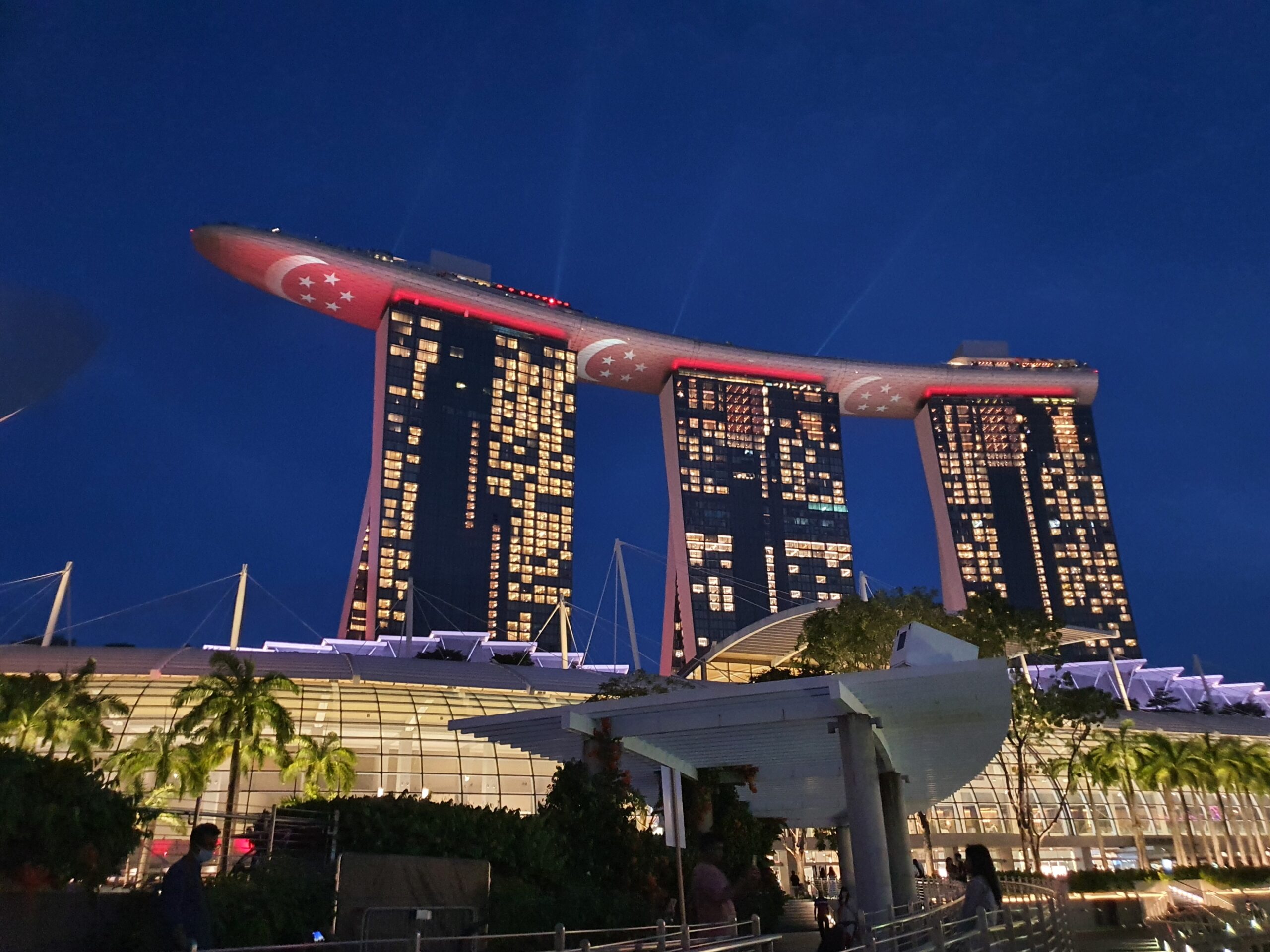
    Singapore CBD lit up in red for National Day — Photo by Nicholas Braman

    7. Friendliness

    Some people may disagree with me on this point. Singapore is not known for being a friendly country like Thailand, and it is a common trope that people don’t talk to each other in elevators or on the street like in some Western countries. However, I have found people to be more friendly than expected, and also happy to help if you ask. I grew up in Washington State, which is known for the “Seattle Freeze”, where people are friendly to your face, but don’t ever really let you into a deep friendship. I don’t feel there is any of that here, and although it can sometimes be difficult because Singaporeans have so many friends from different phases and areas of their lives. I have made lots of great friendships, and when people say they want to hang out, they actually follow through with it!

    8. Worldliness of locals

    This is a huge contrast from growing up in the US where many people don’t even have their passports, or if they do have only gone to Mexico. Singaporeans are extremely well-traveled and knowledgeable about the world in general. I have lots of friends who have done really cool trips like hiking in the Alps or Hindu Kush, road-tripping around Australia, or visiting many of the American national parks. That’s in addition to the standard sightseeing, eating and shopping trips to nearby locales like Thailand, Korea, and Japan. This makes a big difference in everyday life, the kinds of conversations you have with friends, and makes for a more well-rounded and open-minded society.

    I hope you’ve enjoyed this list of surprising things I love about living in Singapore! Of course, all the things Singapore is well-known for are amazing too, especially the food. But it is small things like these that have made me settle down here and look forward to raising my daughter in this amazing country.