
Intro
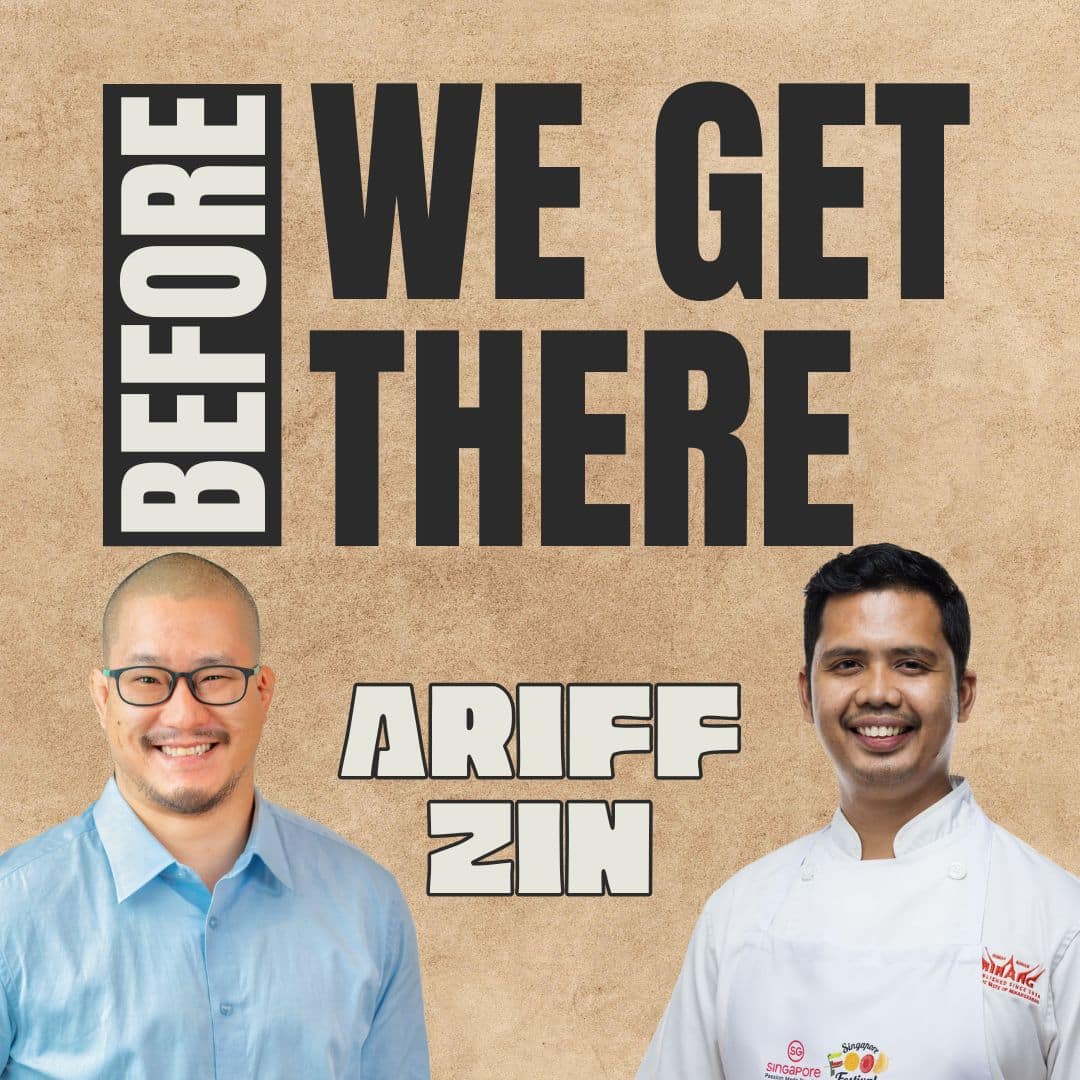
Ariff Zin is the executive chef and third-generation owner of Rumah Makan Minang, one of Singapore’s most iconic nasi padang restaurants. What began as his grandmother’s humble eatery on Kandahar Street has grown into a brand that’s lasted more than 70 years — now with new outlets and a loyal following across generations.
In this episode, Ariff shares what it means to grow up in a restaurant family, how studying at the Culinary Institute of America changed his view of food, and why preserving heritage cuisine requires constant adaptation. We talk about waking up at 3 a.m. to cook 40 dishes, introducing modern systems into a family business, and why he believes traditional foods deserve the same respect as fine dining.
Story Highlights
- Growing up in his family’s nasi padang restaurant on Kandahar Street
- Studying at the Culinary Institute of America and interning in New York
- Learning from Michelin-starred kitchens and adapting lessons back home
- Modernizing tradition through technology and discipline
- Why he believes home-based businesses are Singapore’s new hawkers
Quote
“To be honest, if I travel, I miss my food. But if I’m still in Singapore, I don’t eat as much as people thought, because every day I have to do food tasting in the restaurants. So sometimes I just feel like eating another cuisine rather than nasi padang — but it’s comfort food. I love rice so much.”
About Ariff Zin
Ariff Zin is a Singaporean chef and restaurateur, best known as the executive chef and third-generation owner of Rumah Makan Minang, a heritage nasi padang brand established in 1954. A graduate of the Culinary Institute of America, Ariff worked in New York’s catering scene before returning to Singapore to modernize his family’s business. He has since expanded Minang’s reach through innovations such as vacuum-packed meals, centralized kitchens, and digital ordering — all while keeping its traditional recipes intact.
Why This Conversation Matters
Ariff’s story embodies what heritage cuisine can become when tradition meets innovation. His journey from engineering student to chef reveals the resilience behind Singapore’s food culture. Through family, faith, and experimentation, he’s redefining what it means to honor the past while cooking for the future.
Turning Points
From carrying plates as a child to leading one of Singapore’s most recognized Malay restaurants, Ariff’s career has been shaped by reinvention. His time in the U.S. taught him about hierarchy, workflow, and precision — lessons he brought home to transform his family business. Introducing systems and new technology wasn’t easy, but over time his team embraced change. During COVID-19, his earlier decision to vacuum-pack dishes kept the restaurant thriving. For Ariff, adaptation is about respect: respecting the craft enough to help it survive another generation.
Key Lessons
- Heritage evolves. Tradition only stays alive when it adapts.
- Discipline matters. Kitchens run on structure, not ego.
- Innovation protects legacy. Technology can preserve, not replace, authenticity.
- Respect the craft. True nasi padang takes hours — and generations — to perfect.
- Community defines success. Feeding people well is both purpose and pride.
If You Enjoyed This Episode
You might also like:
- Anthony Yeoh on French Comfort Food and the Future of Dining — exploring how chefs adapt heritage cuisines.
- Yeo Min on Preserving Singapore’s Food Heritage — about balancing creativity and cultural identity.